
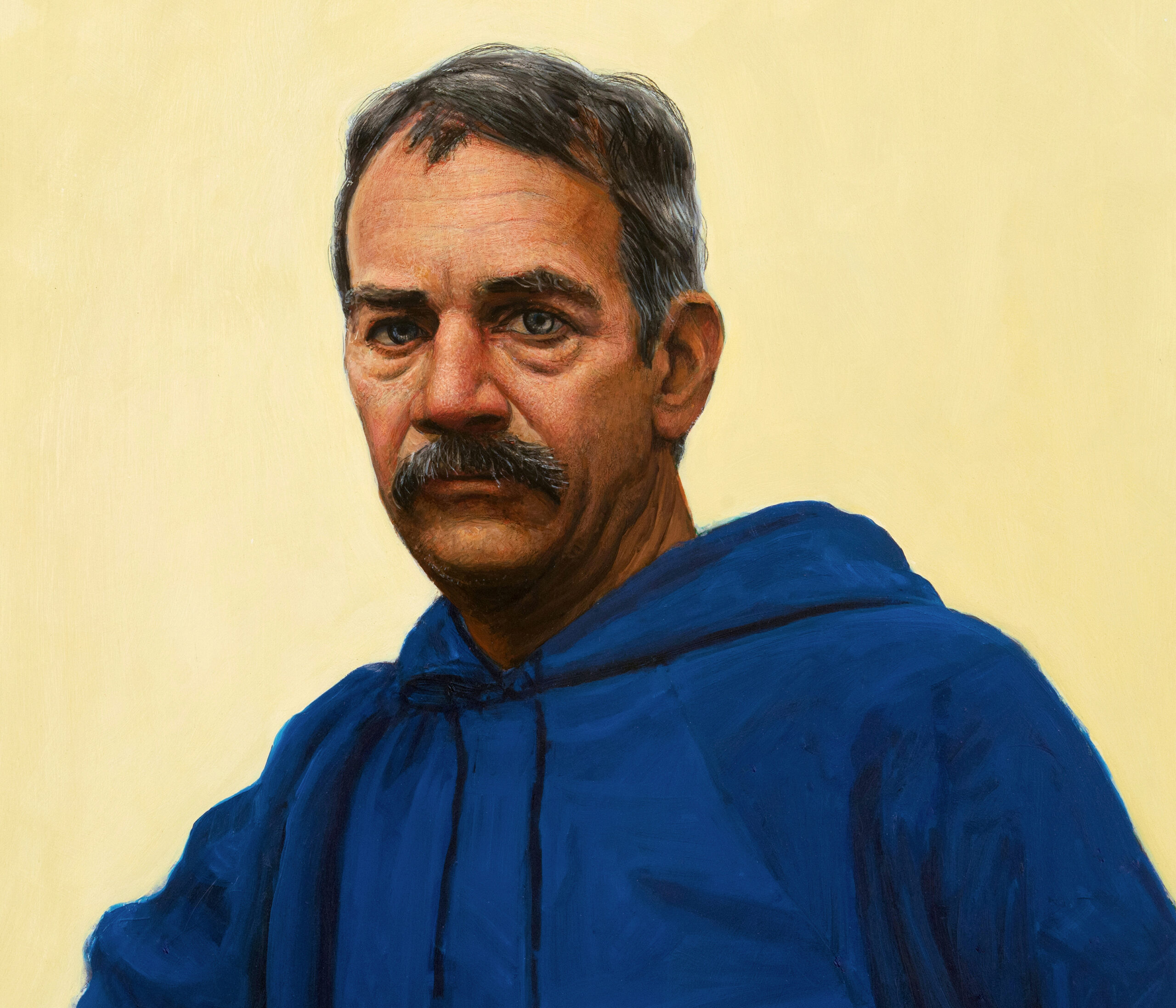
A new documentary and major exhibition on Gregory Gillespie challenge the assumption that his suicide was the inevitable outcome of his dark, disturbing late paintings, and force us to reconsider whether an artist’s death should define how we see their work.
John Wilson spent decades wielding charcoal and bronze to insist on Black dignity in a culture determined to erase it, creating art so confrontational that his 1952 lynching mural couldn’t be shown publicly in America even seventy years later.
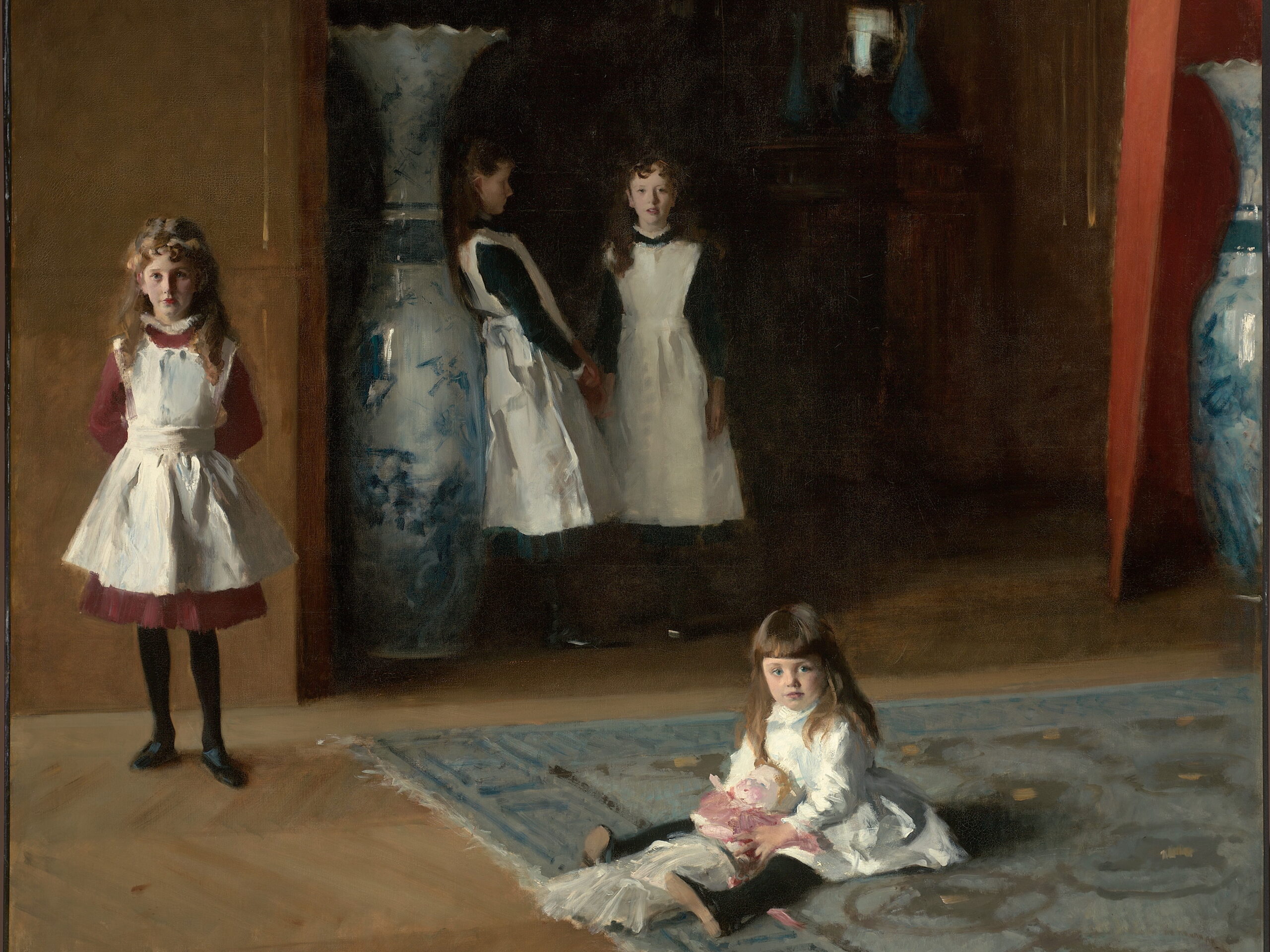
Technique is generally prioritized in schools, and the fascination with Sargent’s is emblematic of a fascination with surfaces, painterly and otherwise.
A review of Ben Shahn: On Nonconformity and Rembrandt’s circle at the Jewish Museum
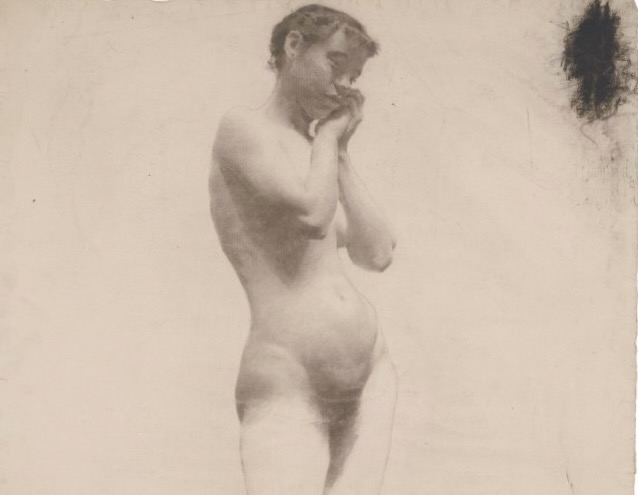
It’s one thing to draw in an environment of camaraderie that supplies both subjects and pedagogy, and quite another to chart one’s course in solitude.
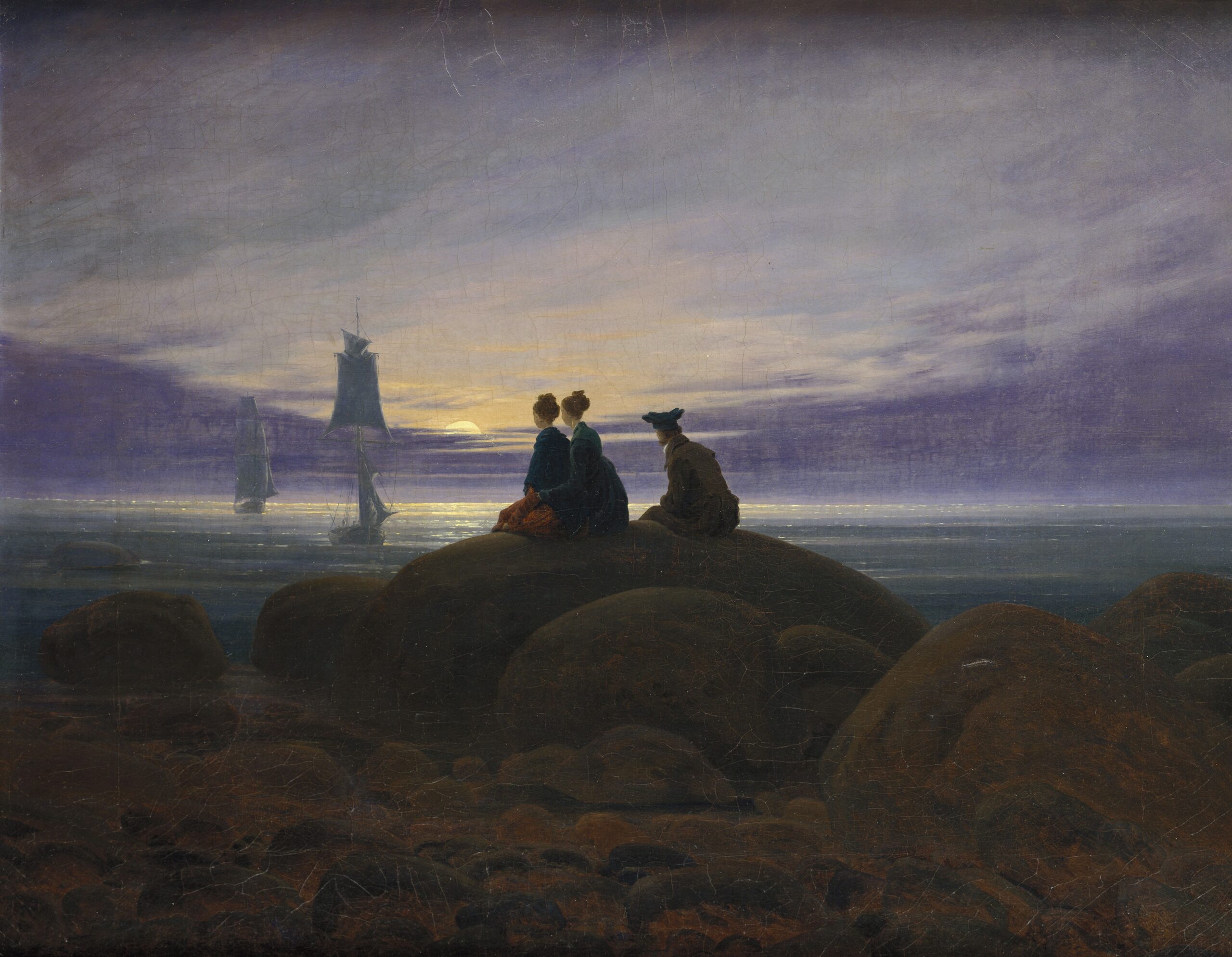
Friedrich pretty much invented the landscape of solitude, an idea that reverberated across nineteenth-century studios and survives—or is resurrected—today in response to the continuous tension between the natural world and man’s desire to exploit its resources.
“Living Landscapes” is an abridged tour of Schiele’s Austria, in its dense and problematic beauty.
In surveying figuration in American art, the Yale exhibition expands its declared focus on public art in general or murals in particular.
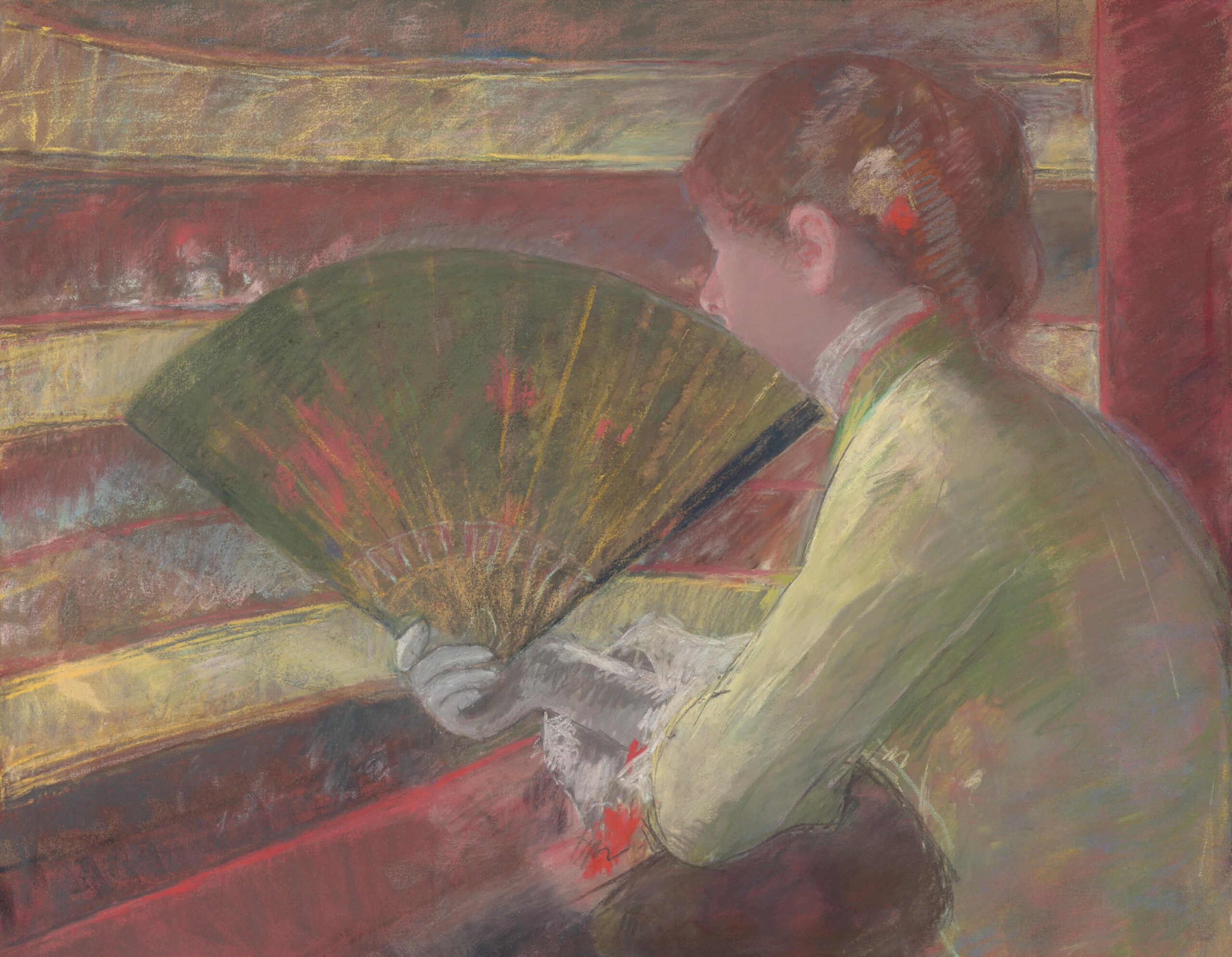
The most trenchant critique of Mary Cassatt’s work came from no less a wit than her erstwhile friend and mentor, Edgar Degas.
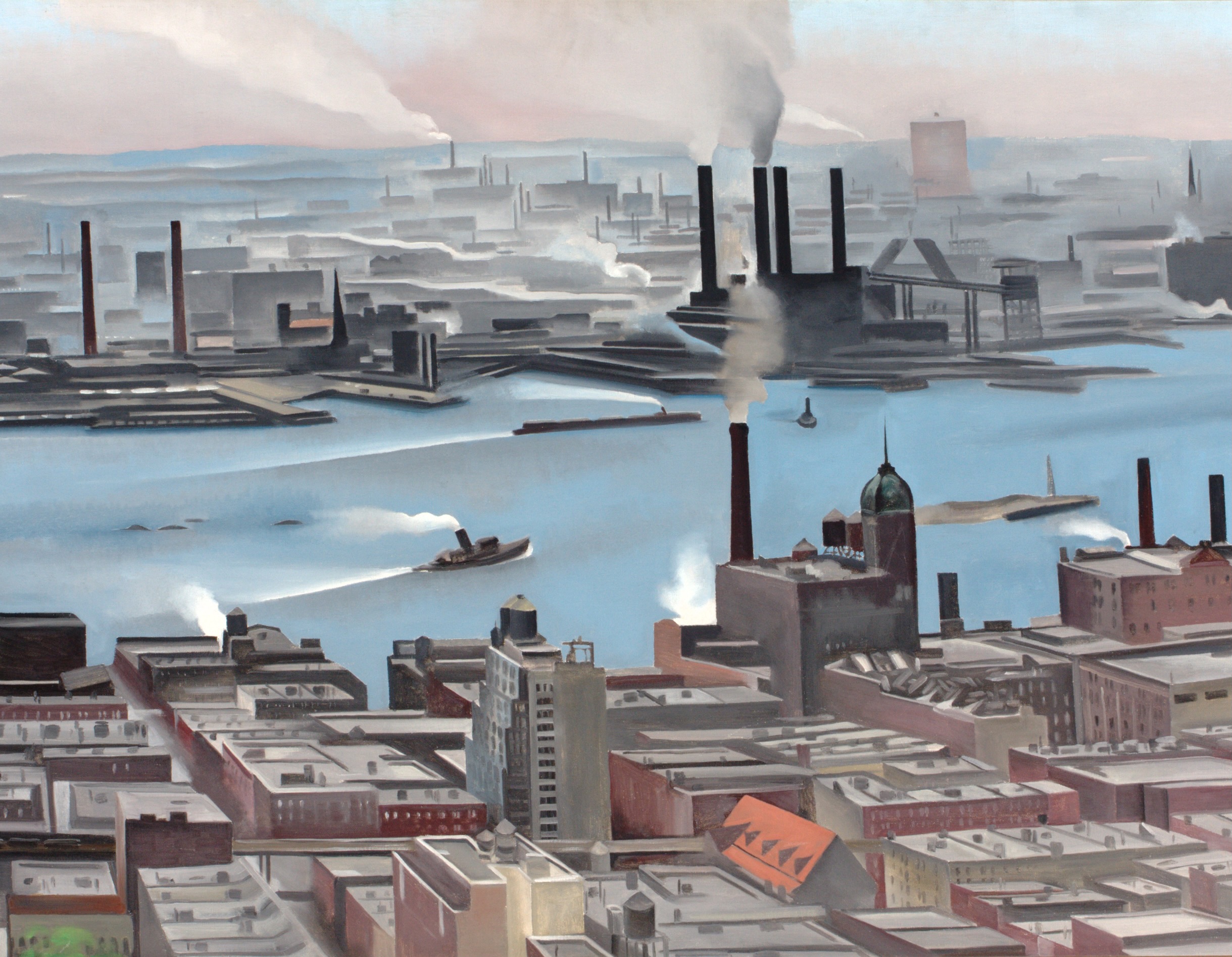
The artist has to have a place where he can behold the city as a unit before his eyes but at the same time have enough space left to work.