
Deattributions often go unnoticed, in large part because nobody wants to publicize them. Conversely, it’s news when an artwork is promoted to the canon of a master.


Deattributions often go unnoticed, in large part because nobody wants to publicize them. Conversely, it’s news when an artwork is promoted to the canon of a master.
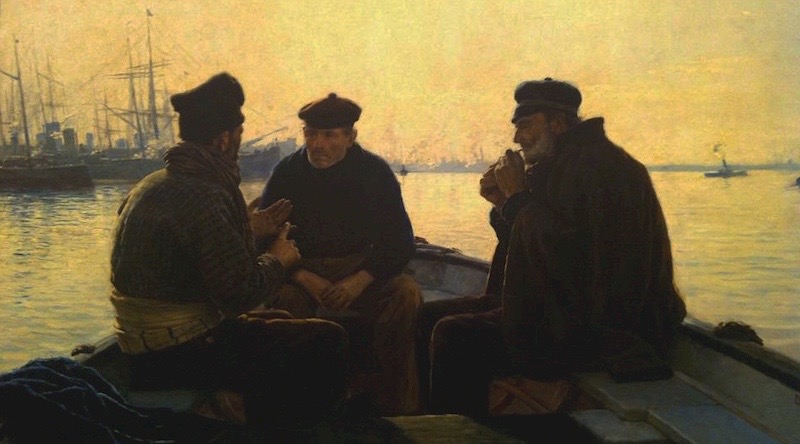
What is the aesthetic of the ordinary? The desire to capture something small, fleeting, or overlooked, that reveals something larger, intangible and significant.
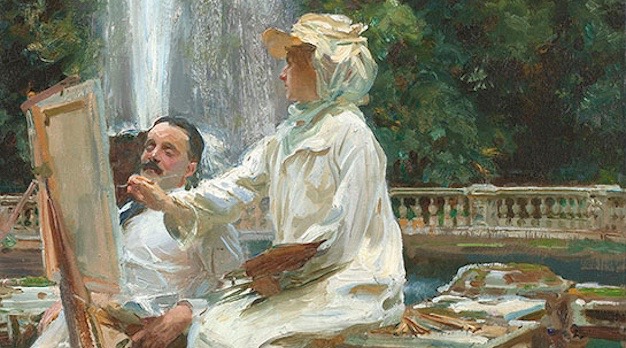
The necessity to impress patrons tinges everything Sargent painted; ever the master of prestidigitation, even in his relaxed moments he is a thoroughly public artist. No other major painter’s manual dexterity is so central to his identity.
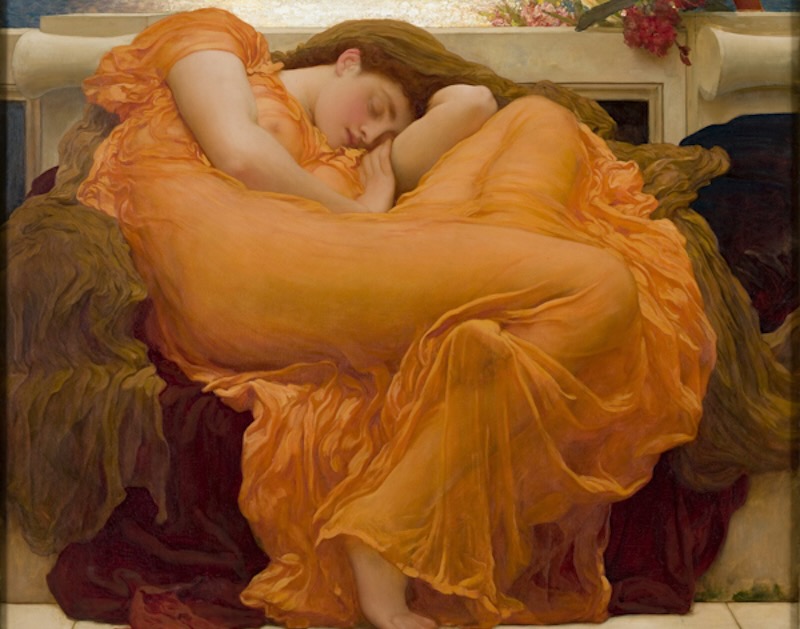
Painter Jerry Weiss isn’t so sure Flaming June is the best picture in the room at the Frick Collection.
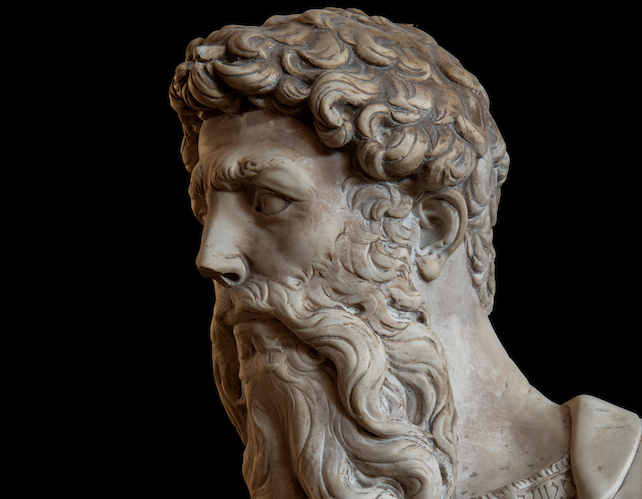
The Museum of Biblical Art closes its run with a memorable show of twenty-three works representing the pinnacle of Florentine sculpture in the early Renaissance, never before seen in this country until now.
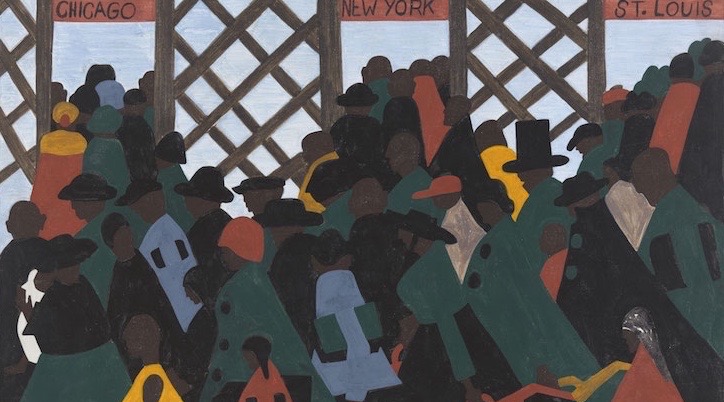
The Migration Series is treated less as art than as a point of departure for a walk-through documentary.

Two current exhibitions feature notable painters of the urban scene, Richard Estes and John Dubrow.
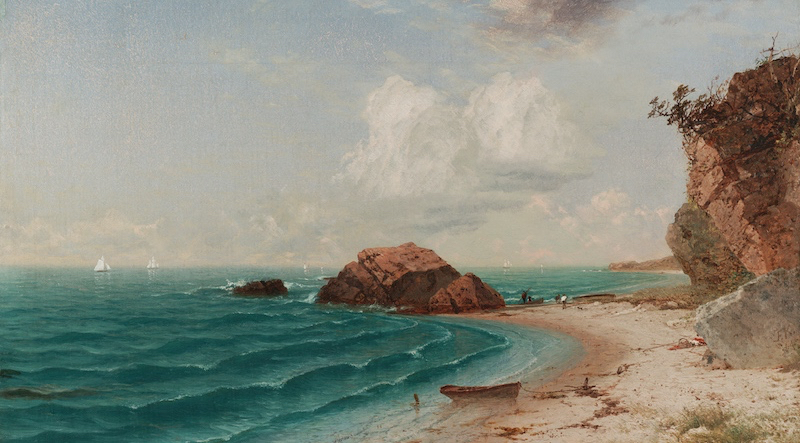
Voyeurs in Virgin Territory, a show of nineteenth-century landscape painting on view at Questroyal Fine Art, is a beauty.

The painter best known for artful evanescence may still surprise us for the exactness of drawing that characterizes his prints.
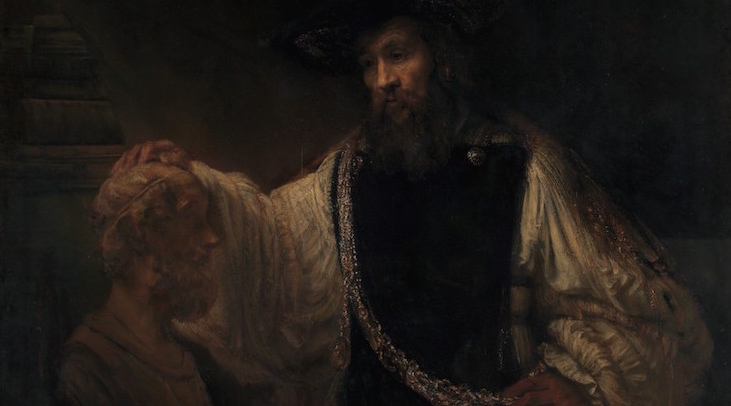
For Walter Liedtke, it was imperative to humanize rather than deify artists.