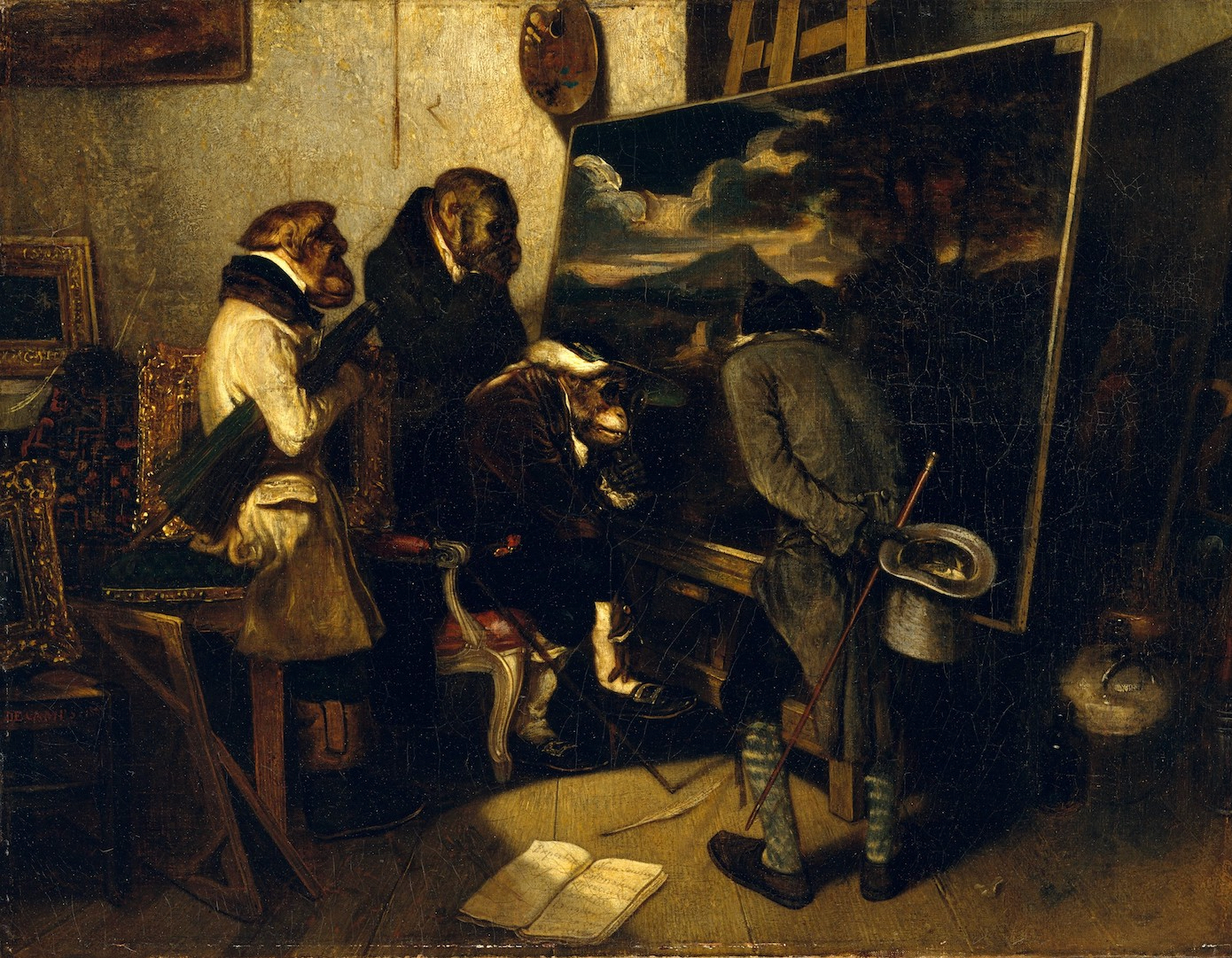
If you think it’s okay to piss on someone because they don’t like the same art as you, what reaction are you prepared to rationalize when you’re contradicted on a matter of consequence?


If you think it’s okay to piss on someone because they don’t like the same art as you, what reaction are you prepared to rationalize when you’re contradicted on a matter of consequence?
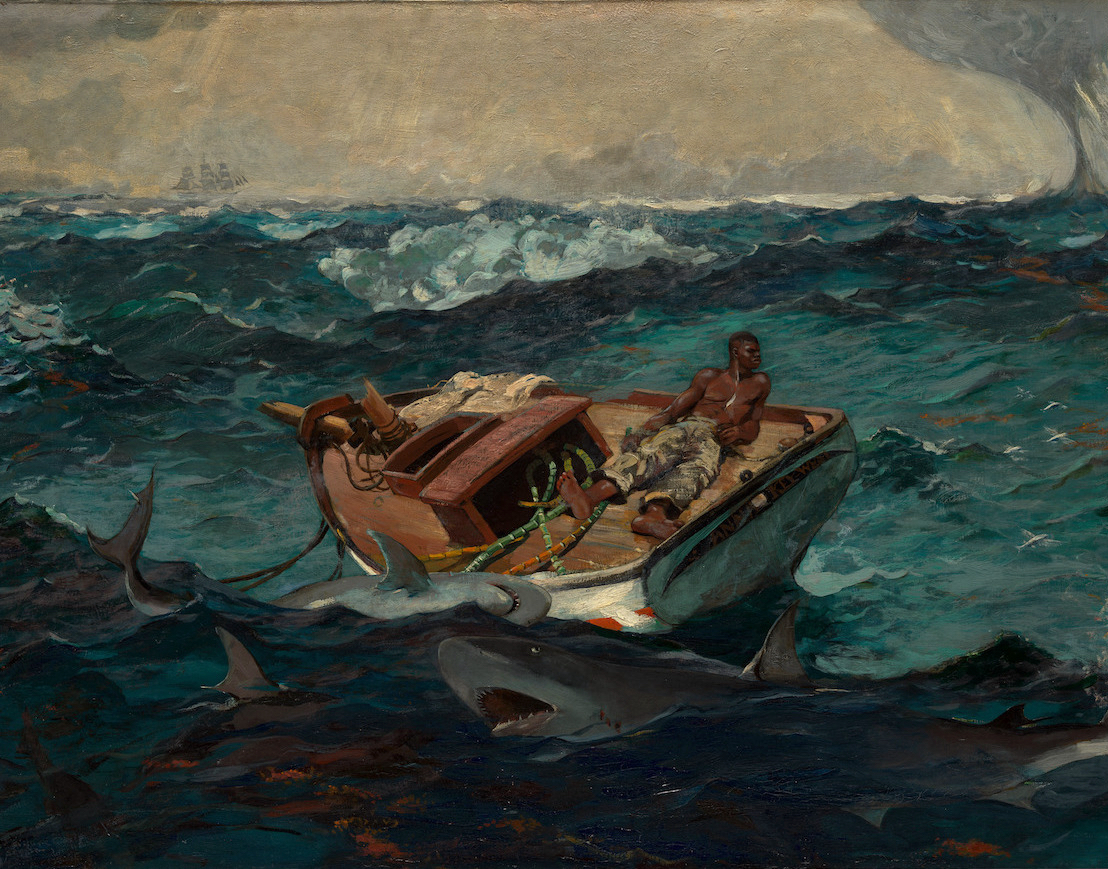
Exploring the formal and thematic frictions within Winslow Homer’s paintings on view in the Met’s “fairly perfect exhibition,” Winslow Homer: Crosscurrents.
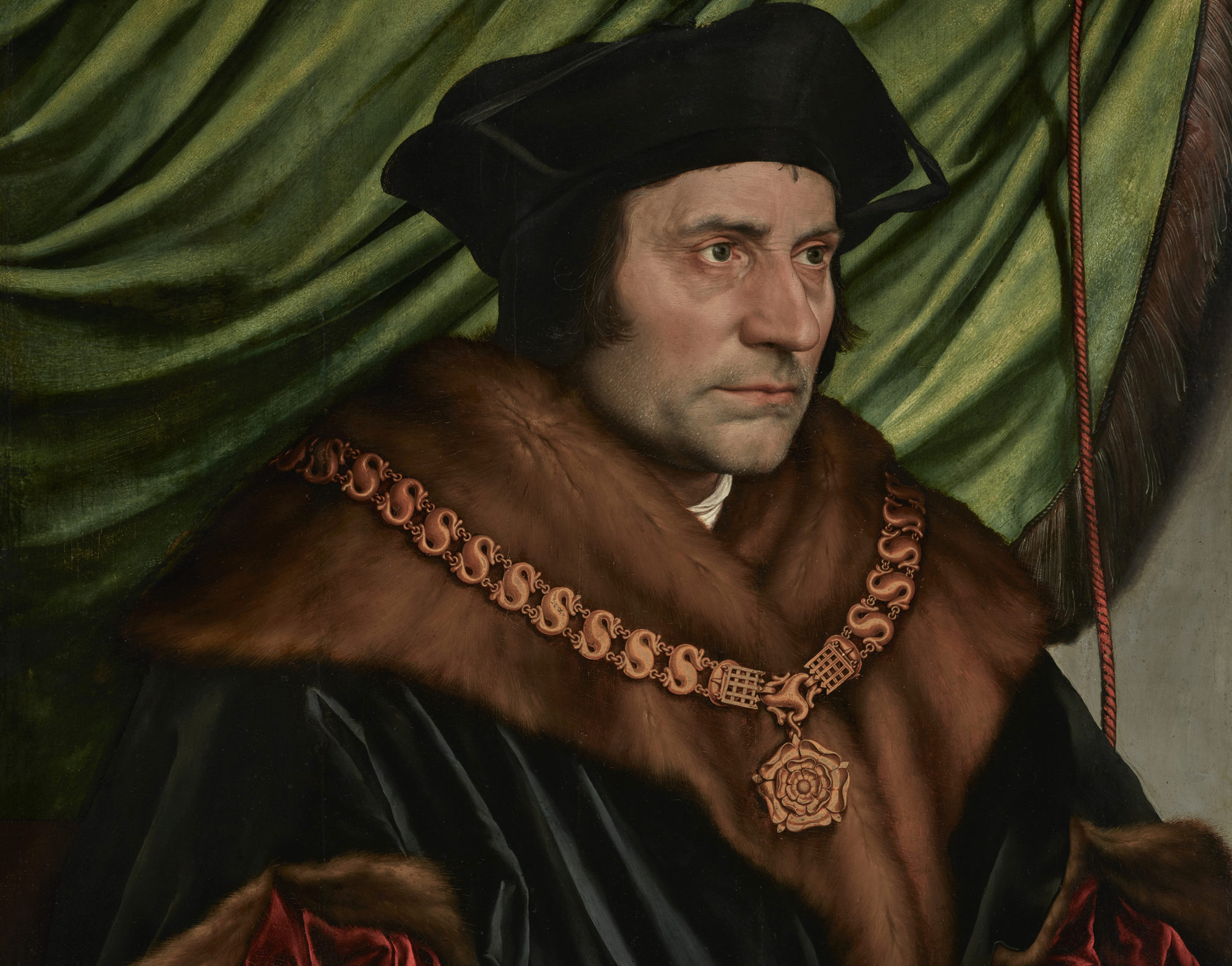
“Holbein: Capturing Character” is up at the Morgan Library, and notwithstanding the reductive title, the show is a testament to the age of European humanism, and specifically to Hans Holbein’s role in painting its most prominent personalities.

Three recent exhibitions of note
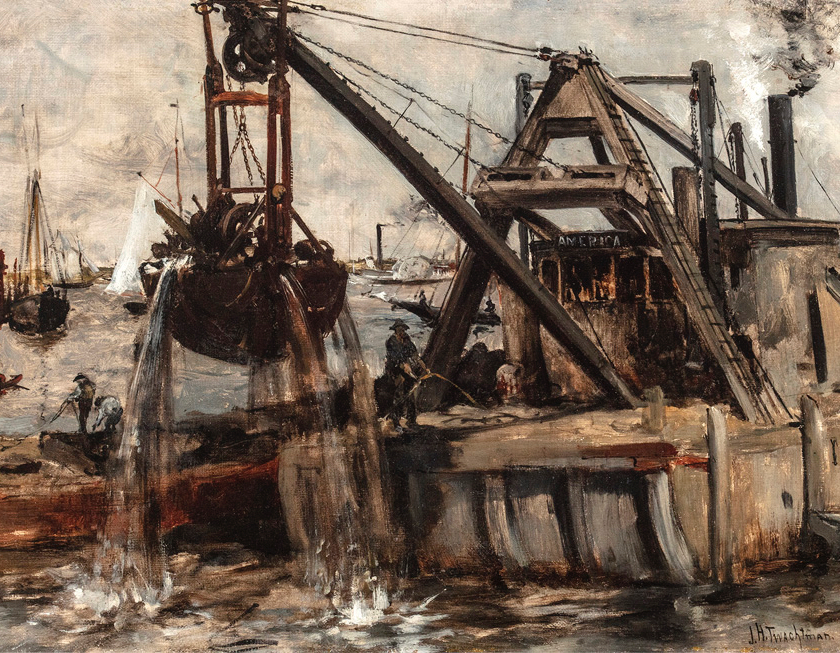
What an exhibition of over one hundred New York City scenes amassed by a real estate scion captures of the city and reveals about the collector.
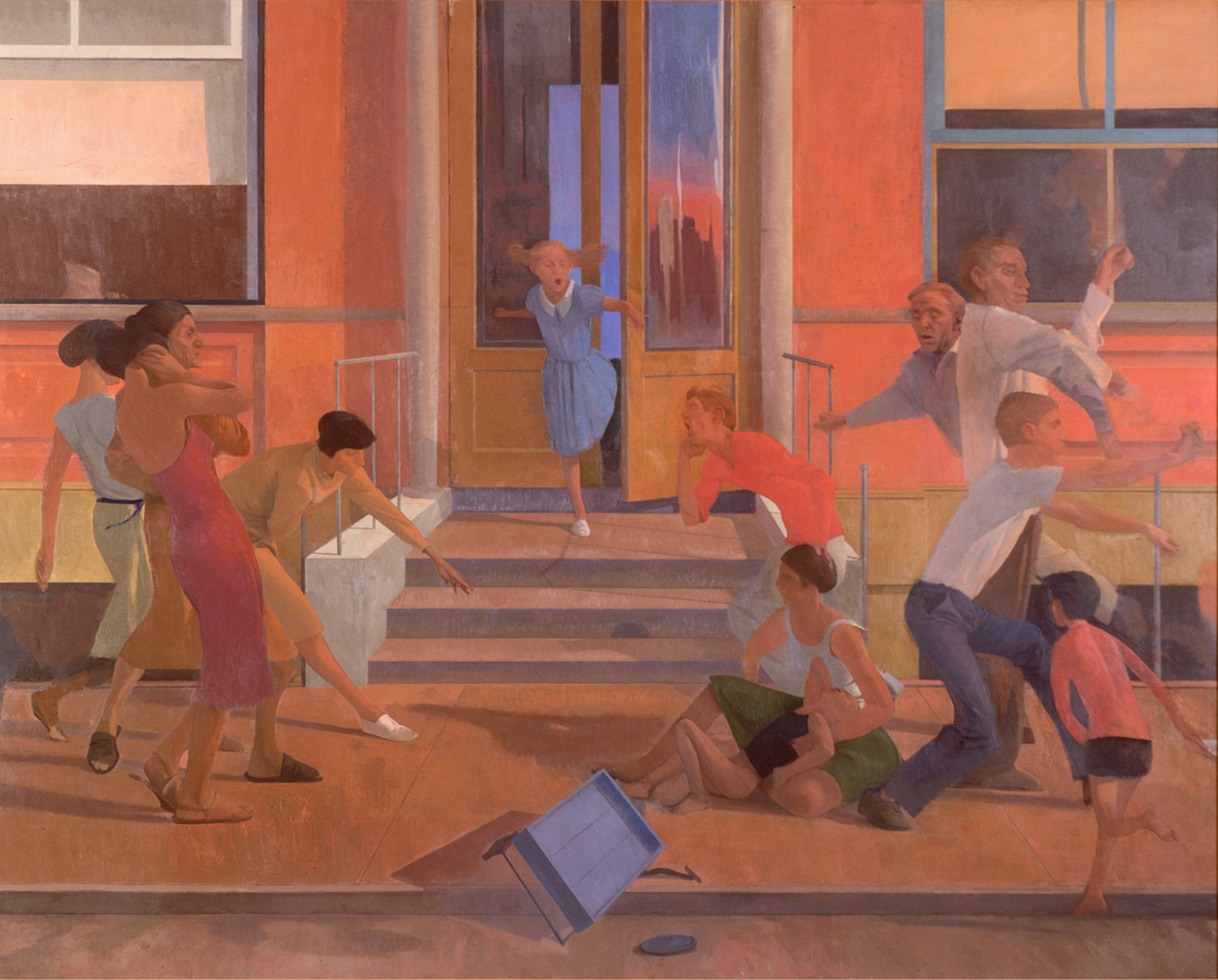
There are at least two poles in Lennart Anderson’s work, poles that you see him gravitating towards and veering away from throughout his life: Anderson the dogged and humble observer of nature, but also Anderson the formal constructor and inventor.
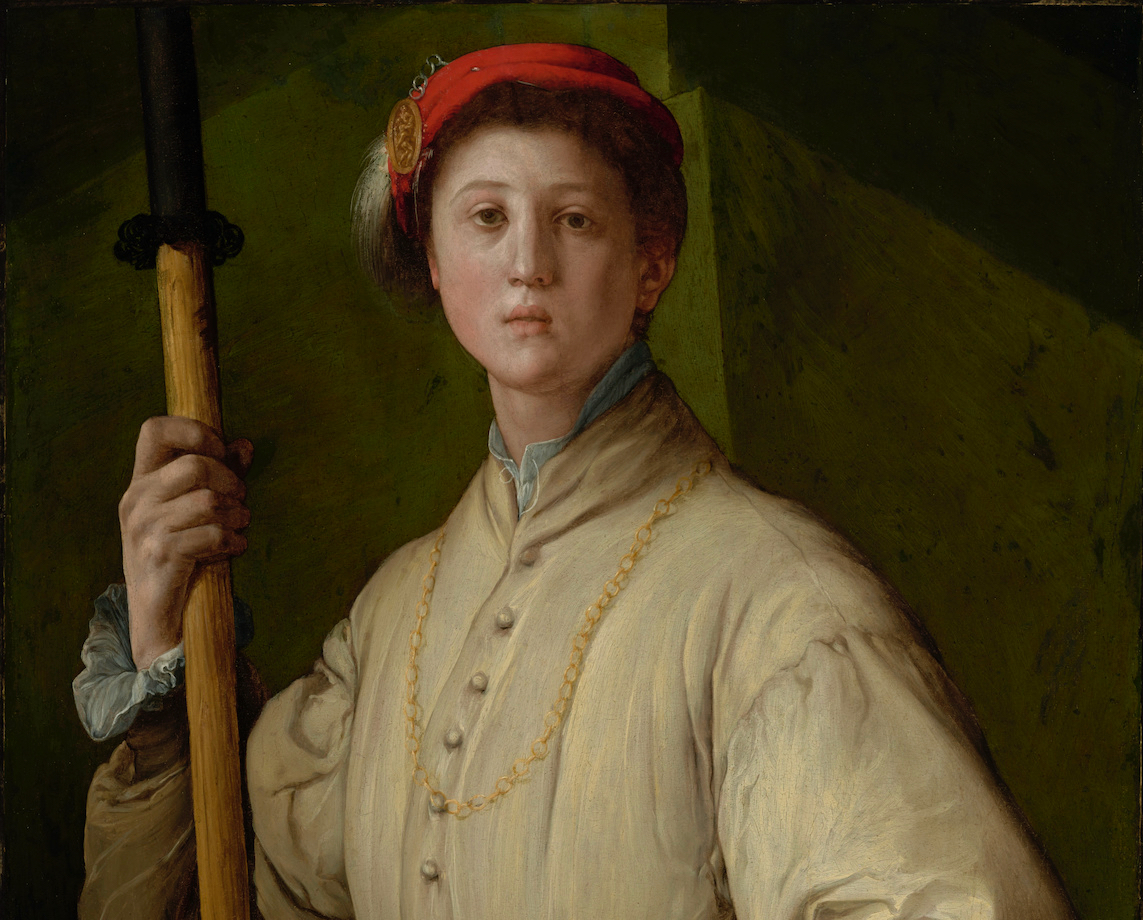
We care less now about the subjects than the paintings, which reaffirm that the business of commissioned portraiture—historically treated as a second-level endeavor—was capable of producing breathtaking stuff, art of the first rank.
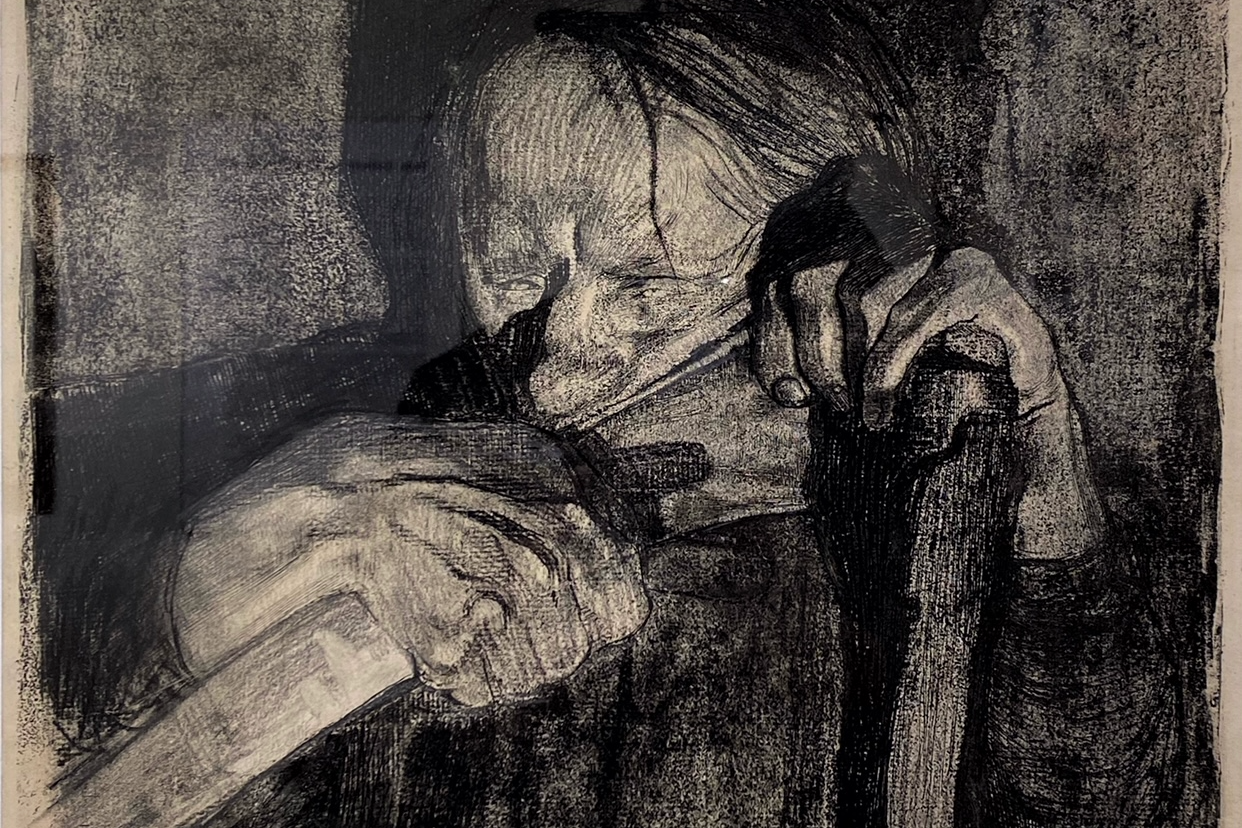
Kollwitz’s art was both a response to the suffering of others and a processing of personal experience. For Kollwitz, character born of hardship was indistinguishable from—lo, was the necessary source of—beauty.
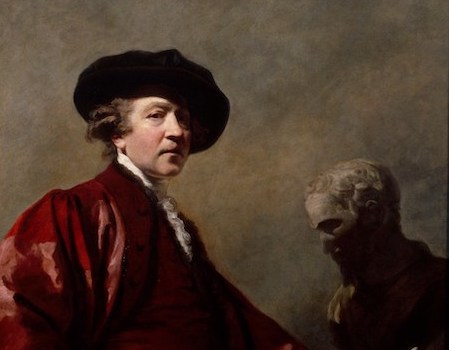
An exhibition at the Royal Academy of Art asks, Does great art begin with studying nature, or studying the great art of the past?
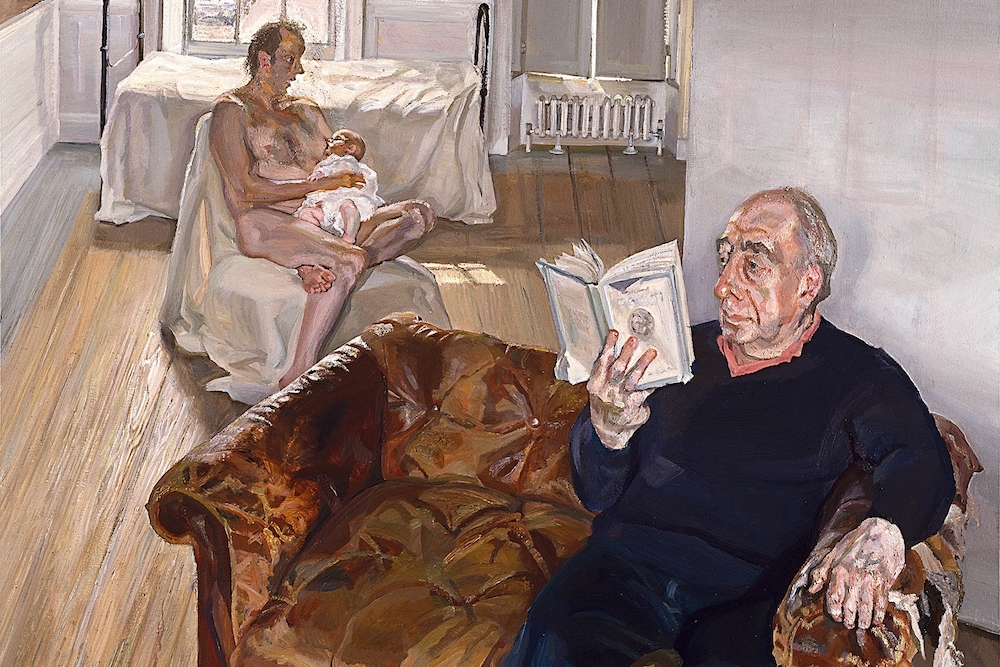
With Lucian Freud, the issue isn’t nudity, and it certainly isn’t pornography. The problem is the insistence on the abundant stuff of the physical world.