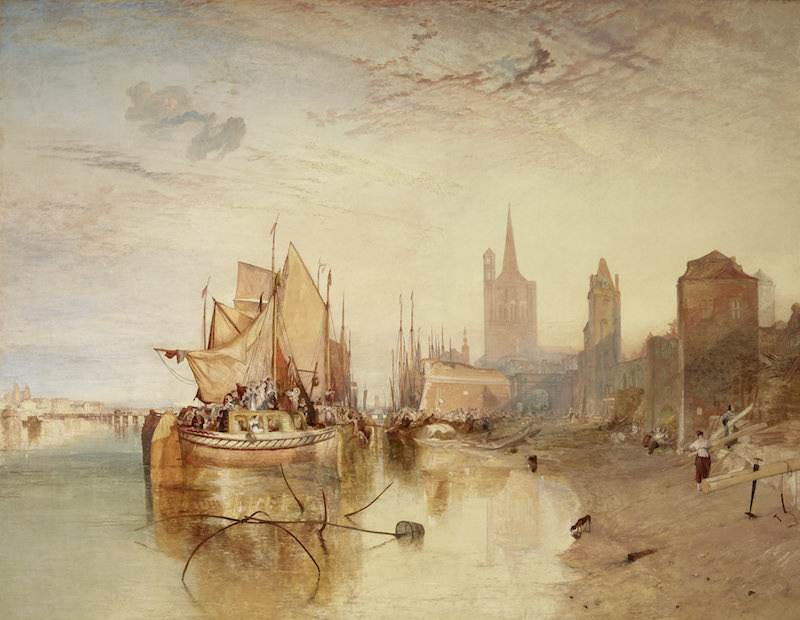
Turner’s narrative intent is forever sublimated to the beauty of the painting.


Turner’s narrative intent is forever sublimated to the beauty of the painting.
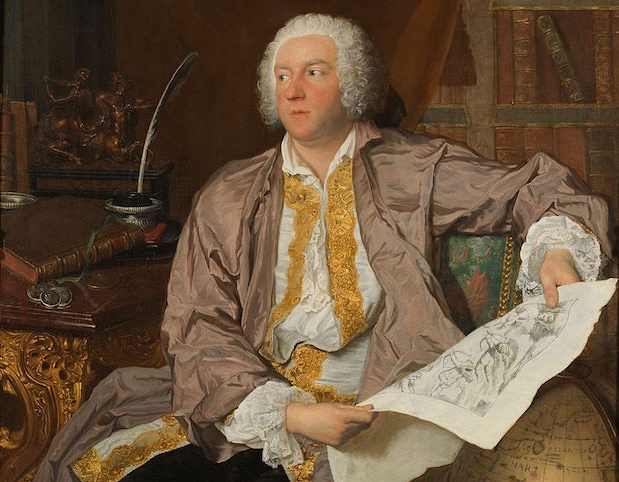
Gems from the collection of Count Carl Gustaf Tessin that became the nucleus of the Nationalmuseum of Sweden, founded in 1792.
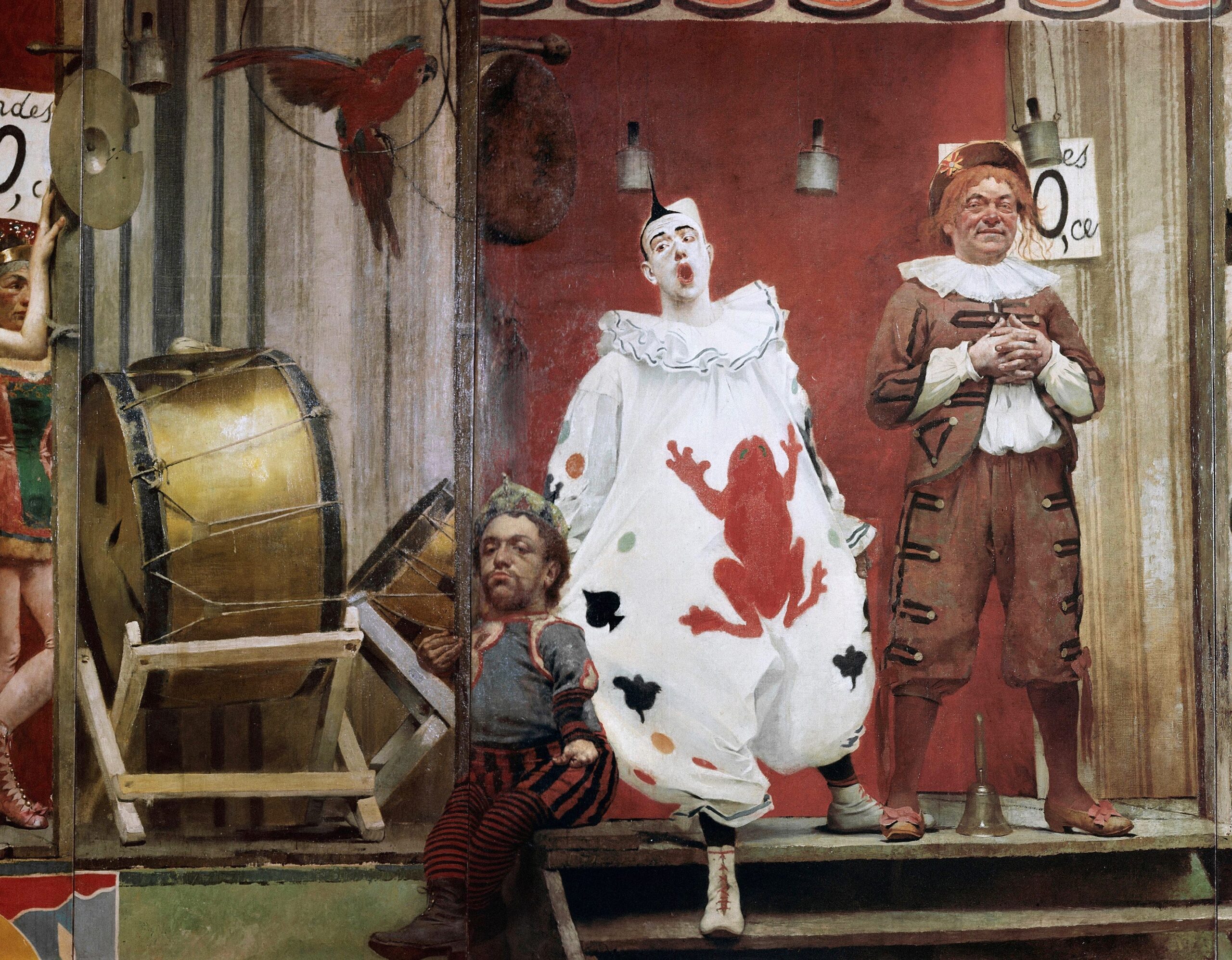
The circus has something alluring, strange, even exotic about it that proves to be compelling, funny, and sad.
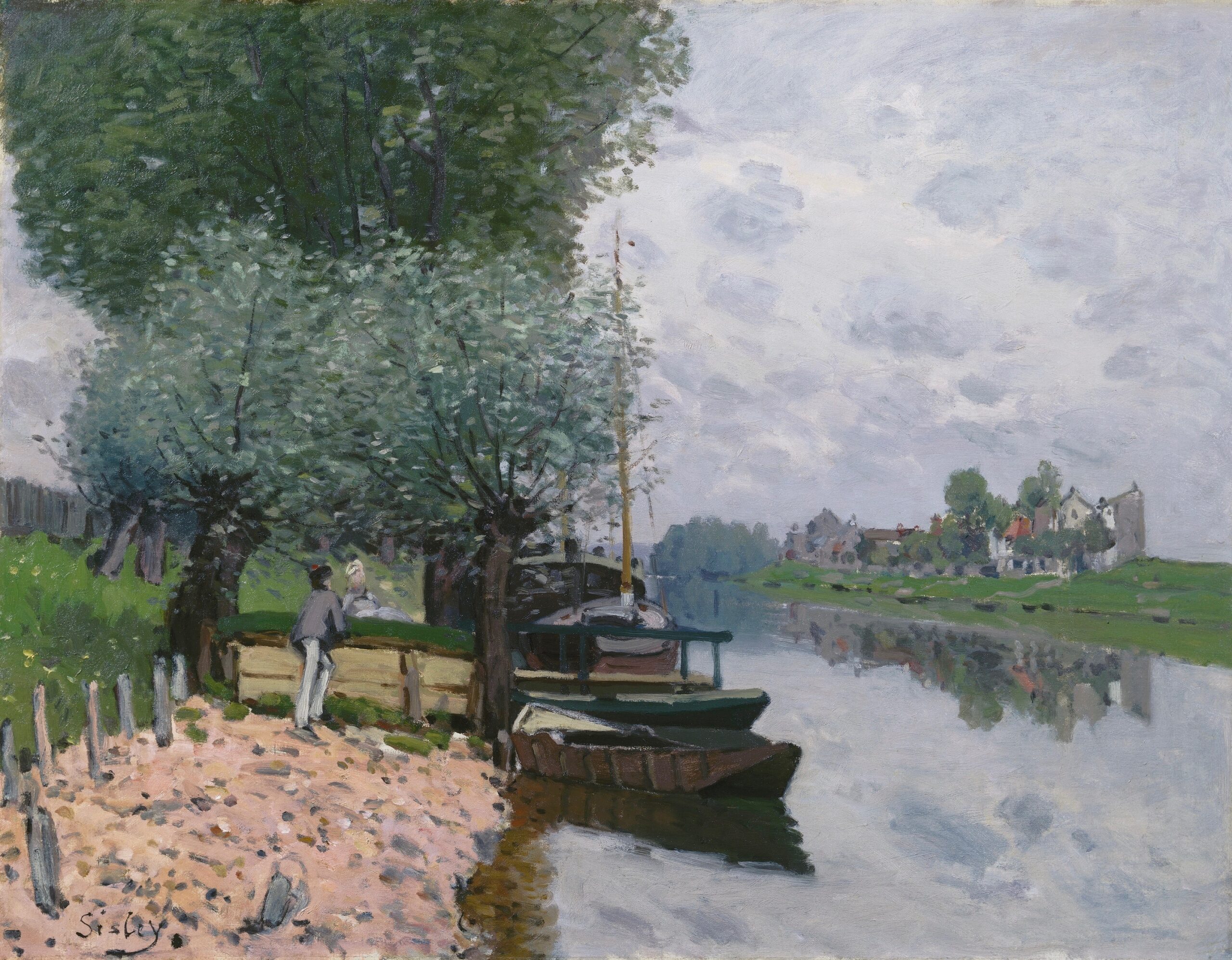
Alfred Sisley possessed the ability to synthesize influences, not only those of Corot and Monet, but Constable and Renoir as well, without the ambition to mold his borrowings into an instantly recognizable and trademark-ready product.
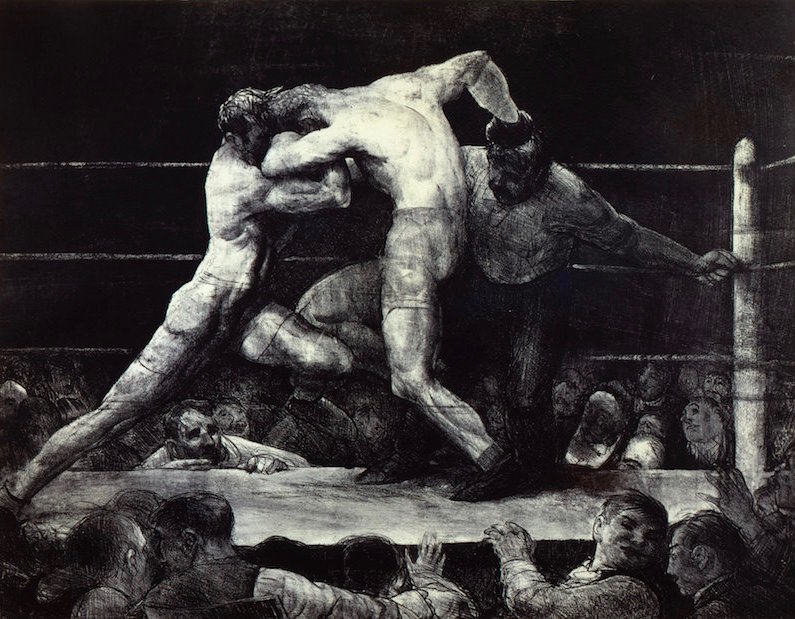
On a visit last week to New Haven, all roads led to Venice, or so it seemed to me. What with the midday traffic on Church Street, maybe I just wanted to go somewhere far away, where there are no cars.

The Morgan show offers a reason to stop and admire different virtues, from a time when piety and painting were synonymous, and portraiture was undertaken with the intensity of a newfound love.
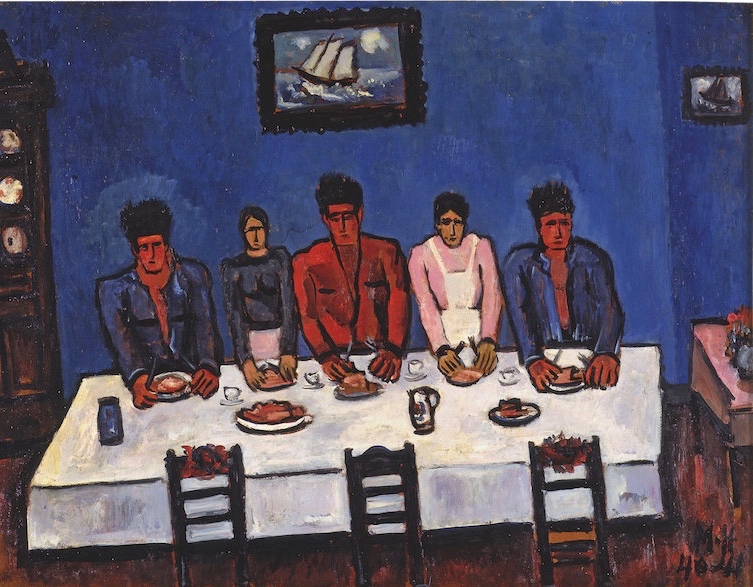
Leaving the Four Arts and the art of a near-distant past, one is struck by how quickly what was once novel is now accepted in staid surroundings, though rarely quickly enough for the artists themselves to reap material benefit.

Blakelock fought with his paint until his images magically evolved into the mystical, musical nocturnes of silence he sought.
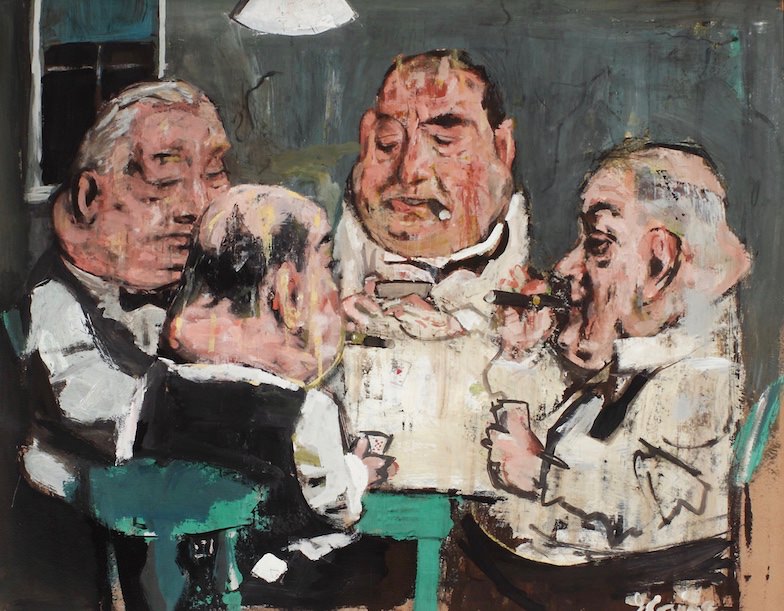
The show at Galerie St. Etienne is a less than subtle reminder that the same issues which drew moral outrage in the last century—labor unrest, economic disparity, political corruption, the cloud of nuclear war—are very much with us.
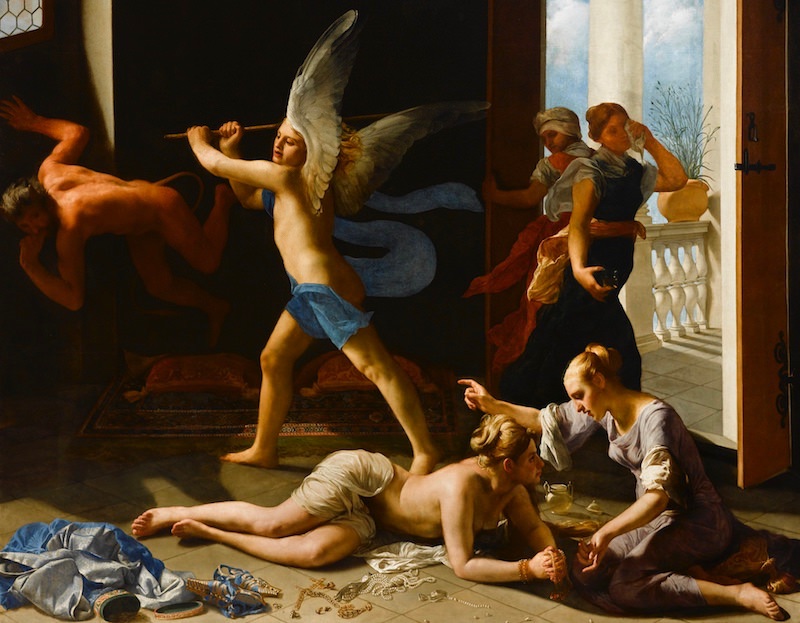
Guido Cagnacci’s signature theme was the half-length female nude, which satisfied the three standard criteria of such artworks: a narrative foundation, showmanship of technical prowess, and an erotic hook.