
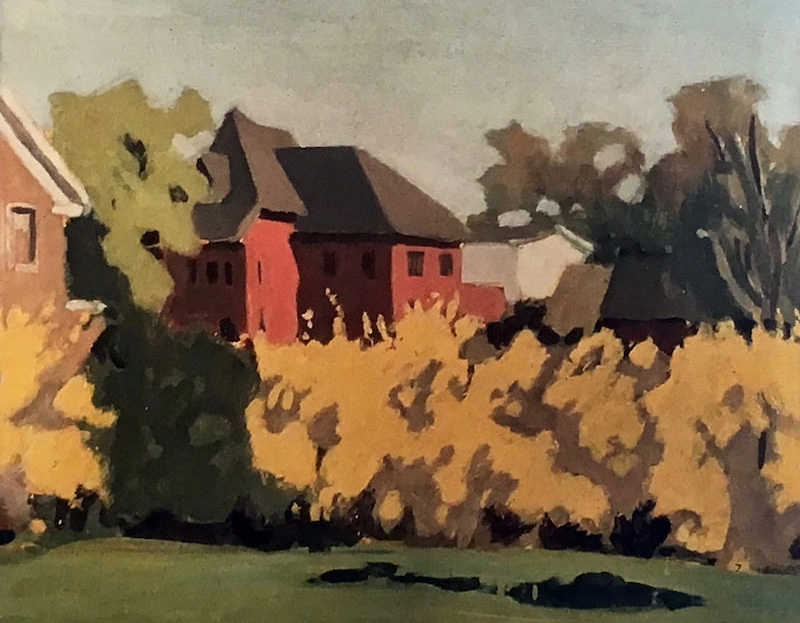
Fairfield Porter painted images of a leisurely life on Long Island and in Maine when abstract expressionism was ascendant, and in that zeitgeist the idea of an American artist chronicling a trouble-free suburban environment would easily be taken for dilettantism.
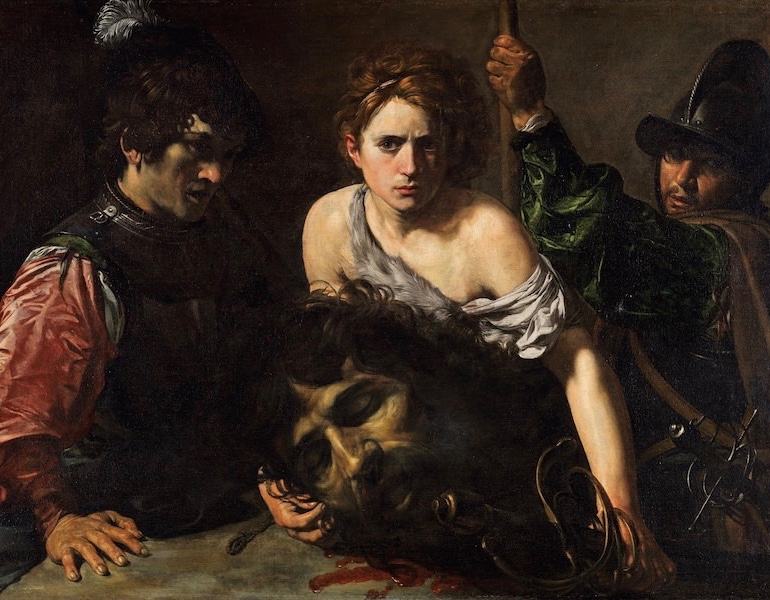
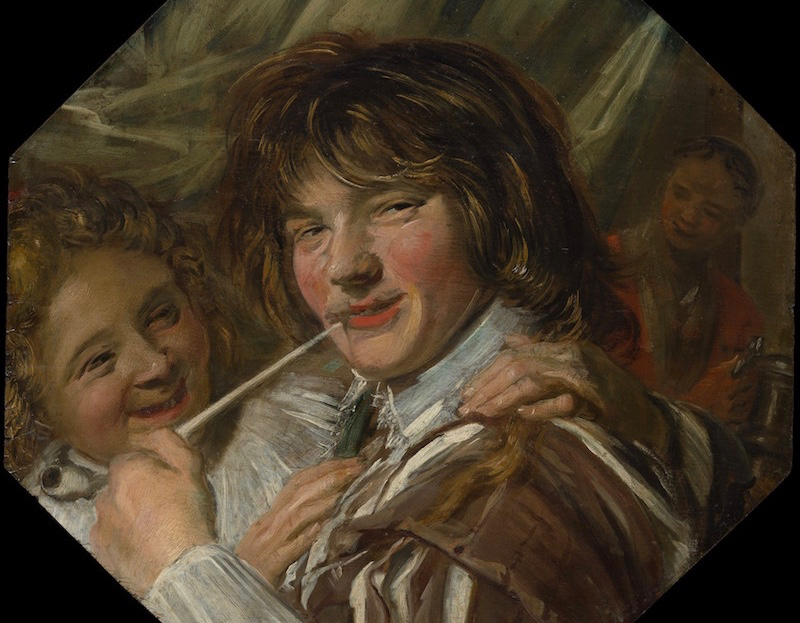
Valentin is the sort of artist I would have been thrilled to discover during my student years: richly talented, emotionally dark, and, best of all, virtually unknown in America.
It is not only the quality of Rembrandt’s painting and design that comes through in this work; it is the quality of his mind and the nature of his heart.
I’m sure most of you have had favorite works of art that you’ve examined repeatedly over the years. They keep us engaged as great art does, telling us more with each viewing and over time we have grown to accept more with our own maturity as viewers and artists.
On Familiar Ground is a two-person exhibition at the Lyme Academy College of Fine Arts that continues through August 13, 2016.
The Artist’s Garden: American Impressionism and the Garden Movement, 1887–1920, an exhibition of “vital naturalism,” now on view at the Florence Griswold Museum
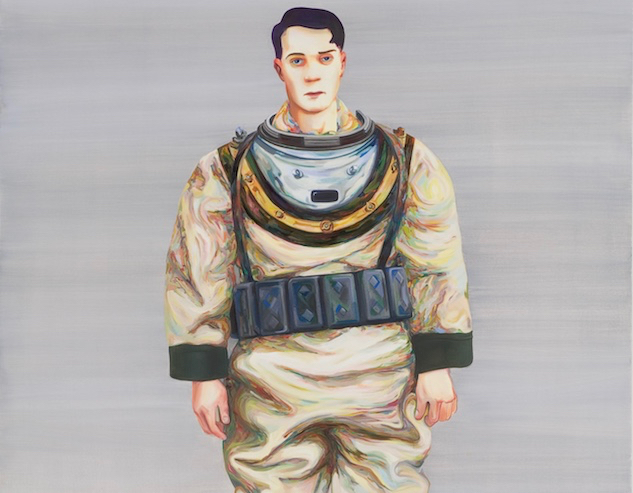
Just what is it about Nicole Eisenman’s work that opened the doors of the Whitney and the New Museum? Why is her work “culturally significant” and the work of generations of figurative painters not?
Of our major artists, J. Alden Weir is one of the least likely to inspire impassioned tribute. It’s not for lack of effort; in fact, the problem is that he tried too hard.
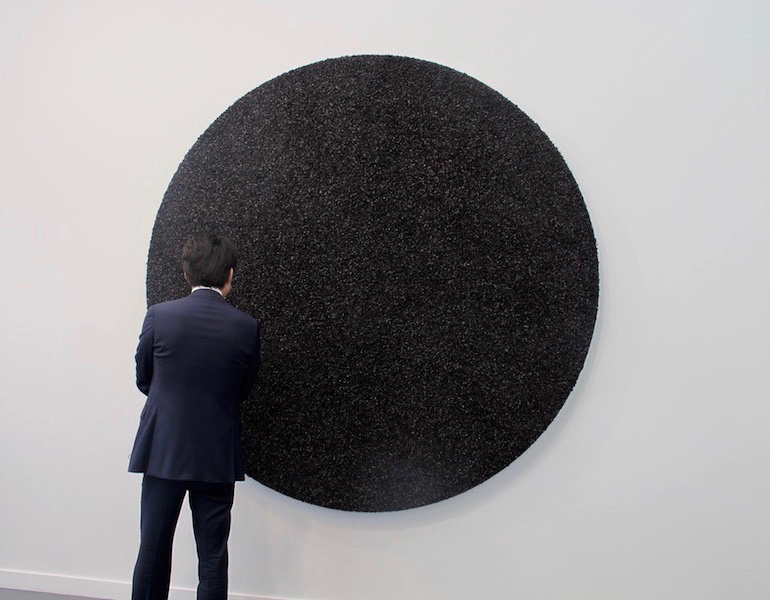
Frieze is a riot of creative expression so visually cacophonous that only the most bizarre and surprising work has a chance of impressing itself on your memory.
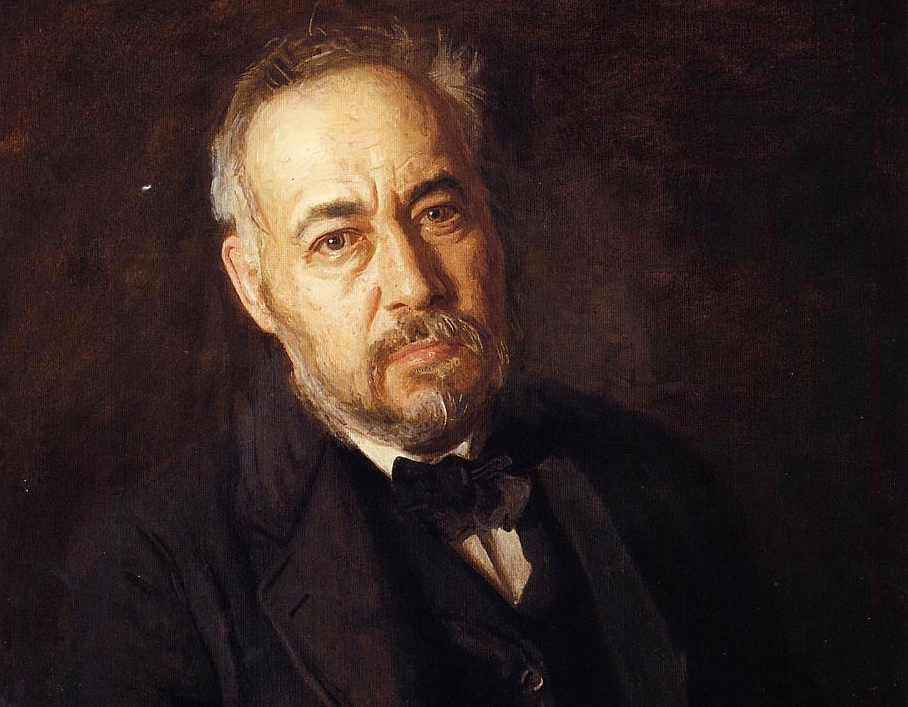
Pondering the closing of the National Academy of Design’s home on Fifth Avenue, Eakins’s vulnerable expression, caught between resistance and resignation, may well speak for many artists.