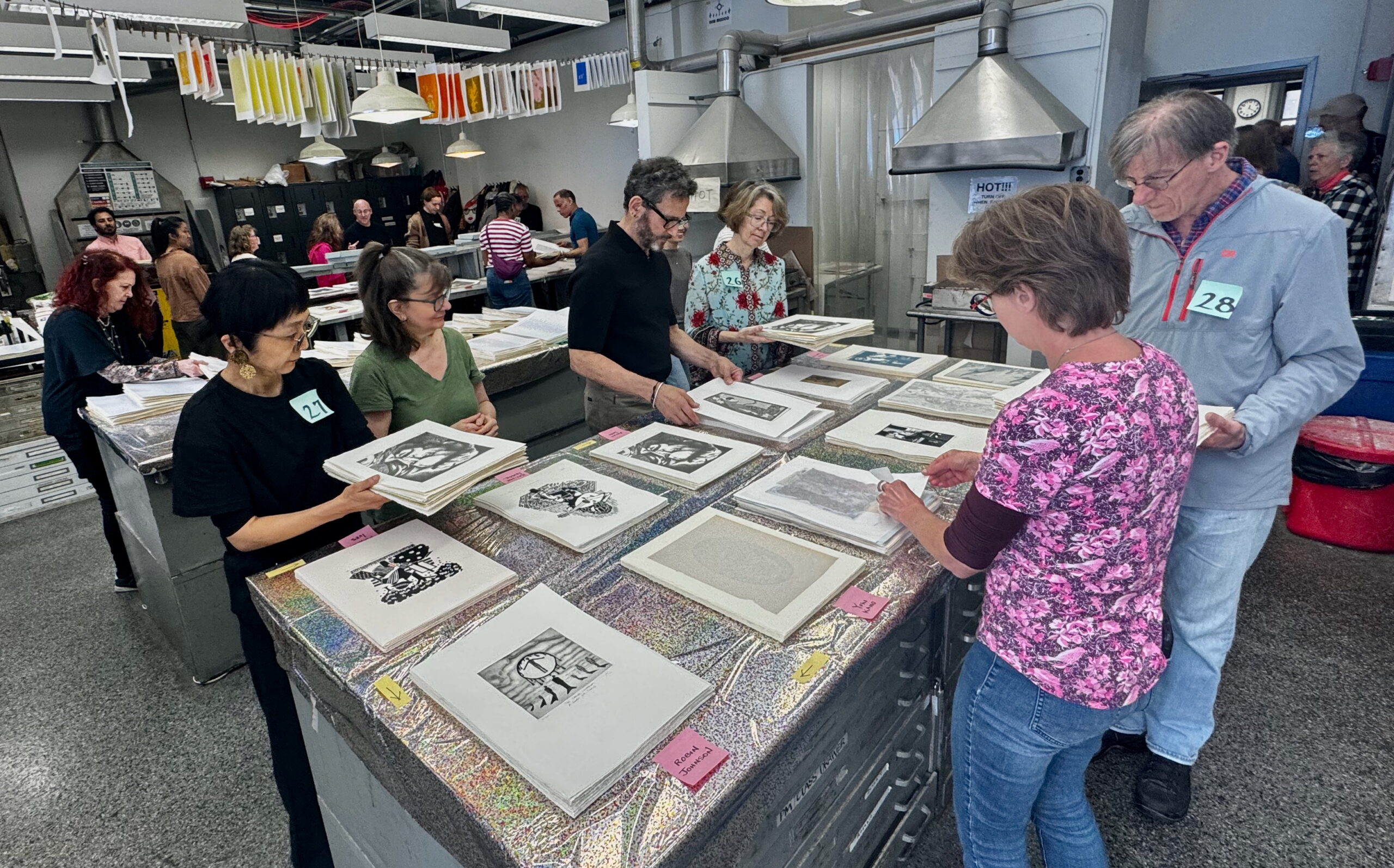
A portfolio project is typically designed to encourage and inspire students enrolled in a printmaking class to take part in a collective creative challenge. Each participant creates a matrix—this could be a copper etching plate, a lithographic stone or metal plate, a woodblock, a linoleum block, or a silkscreen. A matrix could also be a solar polymer plate made using a photograph. From this matrix, students produce an edition of consistent prints.
The process is structured and collaborative. We begin by setting a calendar: sign-up takes place in the fall, and the deadline for finished prints is in the spring. A standard paper size is established, and all participants are expected to adhere to both the format and the timeline. The edition size is determined by the number of students involved—since a portfolio is essentially a print exchange, each student receives a full set of prints, one from every participant. The experience is always a valuable lesson in discipline, technique, and creative dialogue. Print portfolios like these are a longstanding tradition in art schools around the world.
Beginnings at the League
I arrived at the Art Students League in 1977 and enrolled in Michael Ponce de León’s printmaking class. I had previously studied printmaking at the École Nationale Supérieure des Arts Décoratifs in Paris, France, where I participated in my first print portfolio. A school print portfolio is a way to learn how to edition your work and to share your prints with fellow participants.
The following year, I became the monitor of Ponce de León’s class, a role I continued in from 1978 to 1984. In 1980, I organized what I believe was the first student print portfolio at the Art Students League. My goal was always to ignite enthusiasm and a sense of kinship among the students. It was a small, modest portfolio that included fifteen participants. The prints were housed in a simple 8 x 11-inch folder.
At the League, we learned a wide range of printmaking techniques: intaglio etching, aquatint, soft and hard ground, chine collé, collagraphy, lithography on stone and metal, relief linocut, woodcarving, silkscreen, and various photo-based processes related to printmaking.
Michael Ponce de León generously participated in our student portfolios in both 1981 and 1984. By 1988, I was taking Seong Moy’s evening class, and we—the students—produced a high-quality portfolio measuring 15 x 22 inches, complete with a letterpress-printed colophon.
Our printmaking classes have always included a mix of beginners and experienced artists. There is truly no better way to deepen your skills than by learning to print an edition. Every student portfolio I organized was donated to the League’s permanent collection. As a student, it was gratifying to know that our collective efforts would be preserved as part of the League’s history.
A New Perspective at Hunter
Before I became an instructor at the League in 1995, I pursued an MFA in Graphic Arts at Hunter College. My time there was a revealing and formative experience. After completing my degree, I taught an experimental class focused on photo-based printmaking techniques. At the same time, I was editioning prints for my mentor, Vincent Longo, and through him, I participated in a series of remarkable portfolios—the Hunter Print Suites—in 1995, 1996, 1997, 1998, 2001, and 2011.
The aesthetic culture at Hunter was quite different from that of the League: at Hunter, drawing was neither emphasized nor desired. Yet the portfolios we produced—professionally printed at 15 x 22 inches, complete with letterpress colophons—were strikingly modern, abstract, conceptual, and deeply inspired. I learned a great deal from this contrasting approach and thoroughly enjoyed the creative stretch it offered.
A New Era of Collaboration
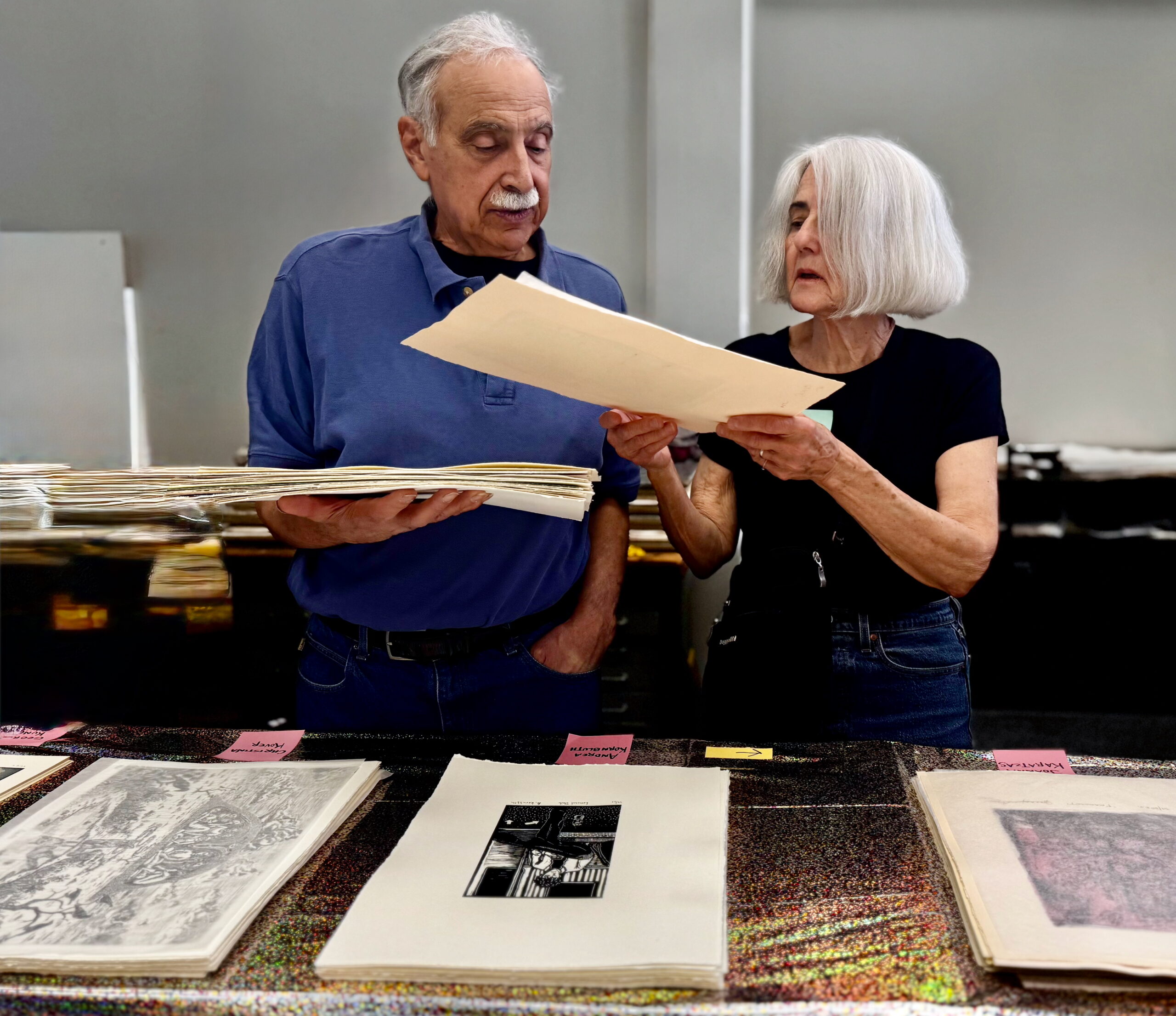
When I began teaching at the League in 1995, I organized one or two portfolios within my own class. But I quickly realized that one of the League’s greatest strengths is the sharing of skills and ideas across classes.
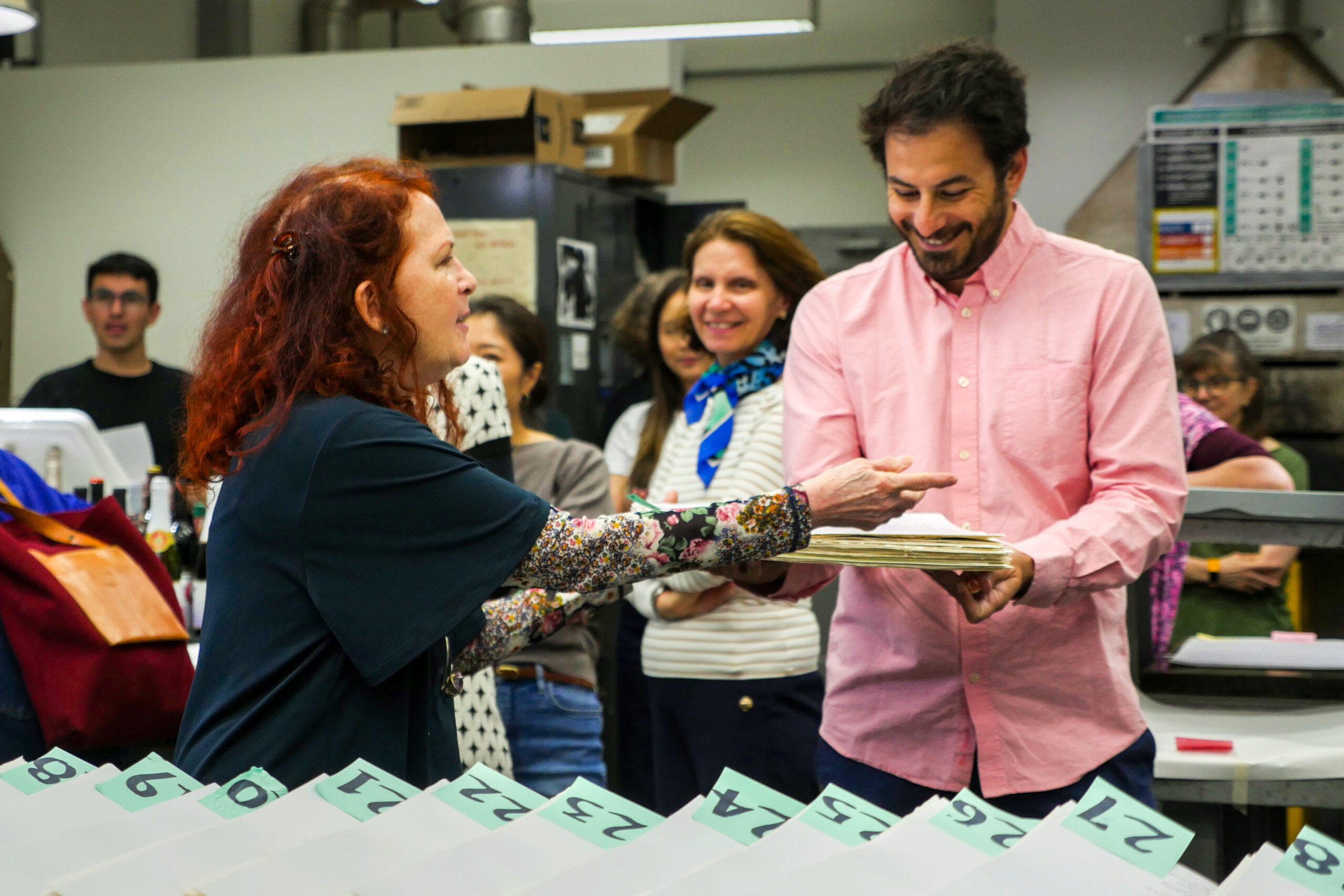
From my very first day as an instructor, my colleague Michael Pellettieri became a close friend. I believe we began collaborating on the League’s printmaking portfolios in 1999. From that point until 2005, we produced stunning portfolios nearly every year. We typically had 25 to 30 participants, often including students from other printmaking classes who joined in.
We’d post a sign-up sheet in the studio each September, with a firm deadline in early May for completed editions. The only guideline was the paper size: 11 x 15 inches. It’s deeply rewarding to look back at those portfolios now—all the way from 1999 to 2005, with the title page listing all the participants. Some of them are gone, but many are still part of our community.
As always, the #1 edition of each portfolio was donated to the League’s permanent collection. Over the years, various League curators have reached out to me asking about artists featured in those portfolios—a testament to their lasting value and impact.
We eventually paused the project when both Michael and I faced health challenges at home, and, ultimately, the loss of our spouses. In 2018, I felt it was time to begin again. There’s a strong sense of community in our printmaking classes, a genuine joy in sharing techniques and discoveries. Perhaps it’s because students are all creating their own individual work—we don’t use a model—so a portfolio becomes a sincere way to share with kindred spirits. It’s also an affordable and meaningful way for printmakers to collect and own each other’s work.
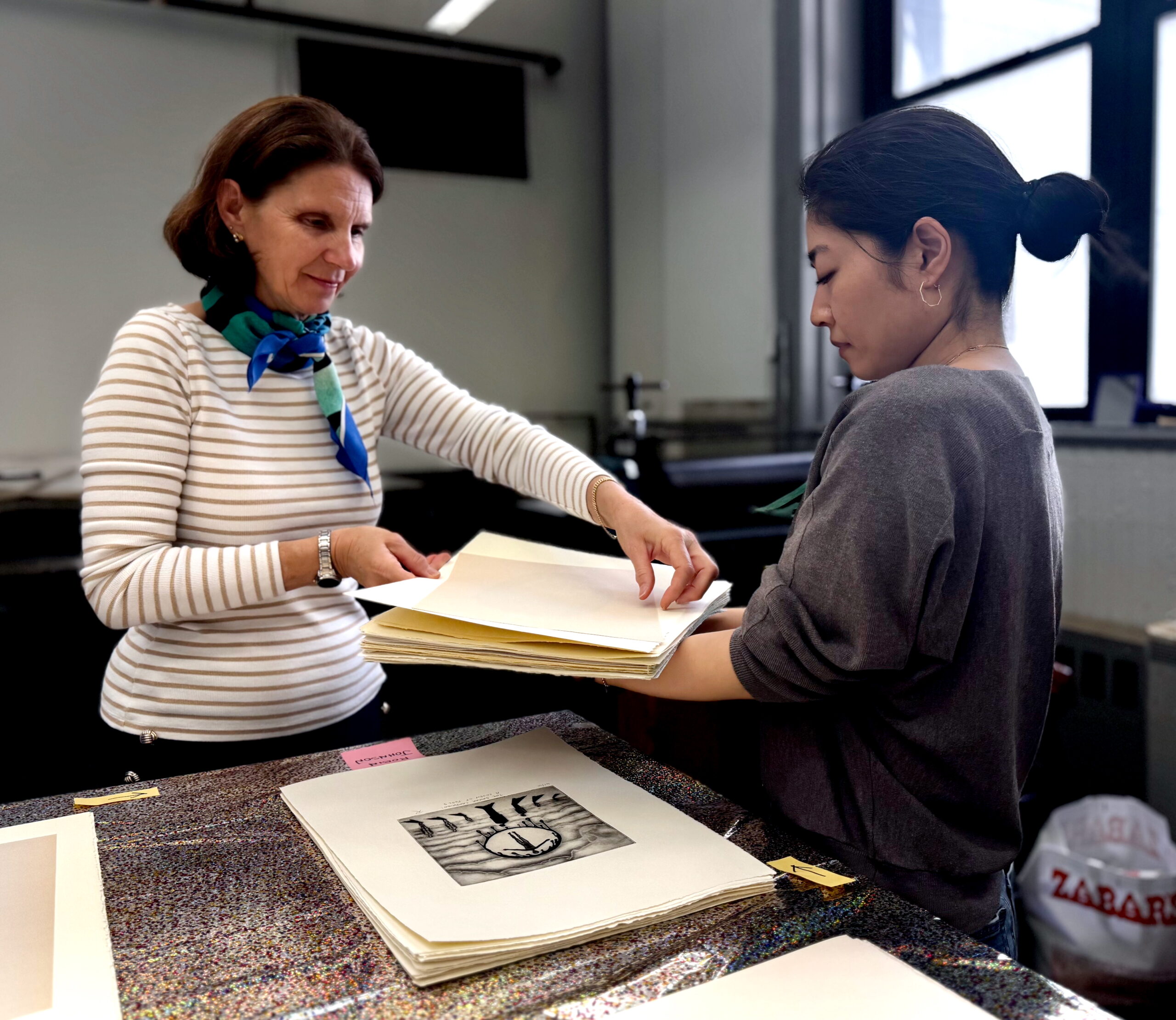
Michael Pellettieri was once again an essential collaborator. That 2018 portfolio grew to include 50 participants from across all the League’s printmaking classes, including instructors William Behnken and Richard Pantell. We had to close the sign-up early, as the number of participants determines the edition size—and each person is committing to produce that many prints. We also reserved 5 to 10 additional sets for donation, sale, and exhibition. That increased the edition size even further, which was a real challenge, especially for less experienced students.
But the 2018 ASL Printmaking Portfolio was a big success. Thanks to Michael and Bill Behnken, we exhibited at the Old Print Shop gallery, where owner Robert Newman invited us to speak at the opening. The portfolio was also accepted into the permanent collection of the New York Public Library.
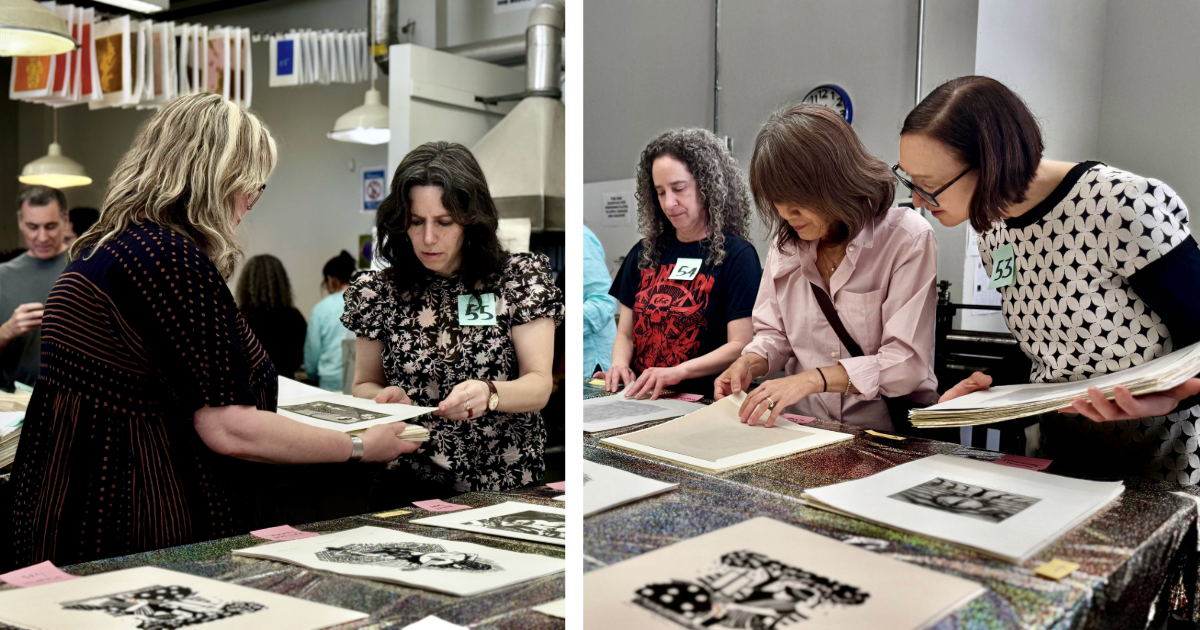
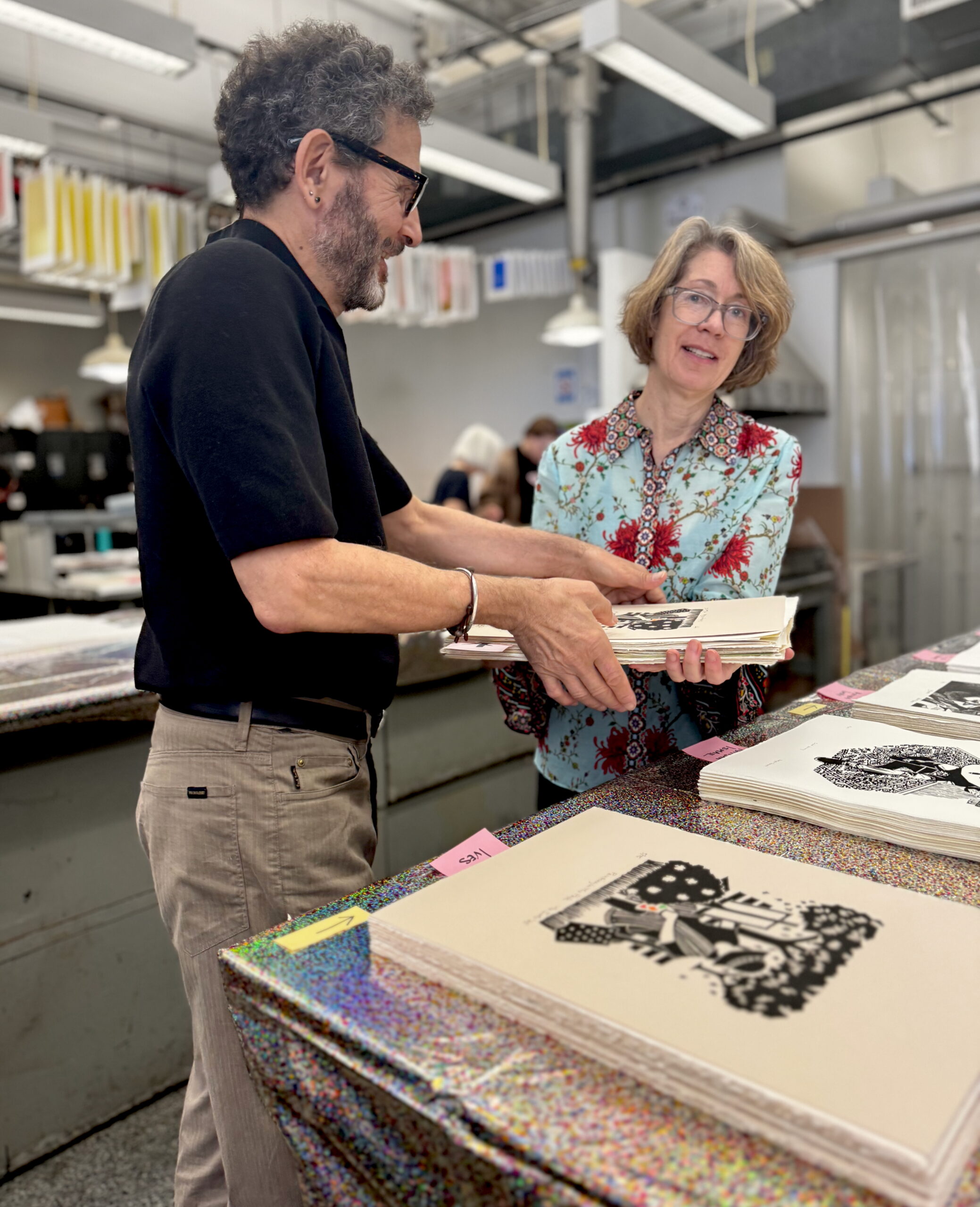
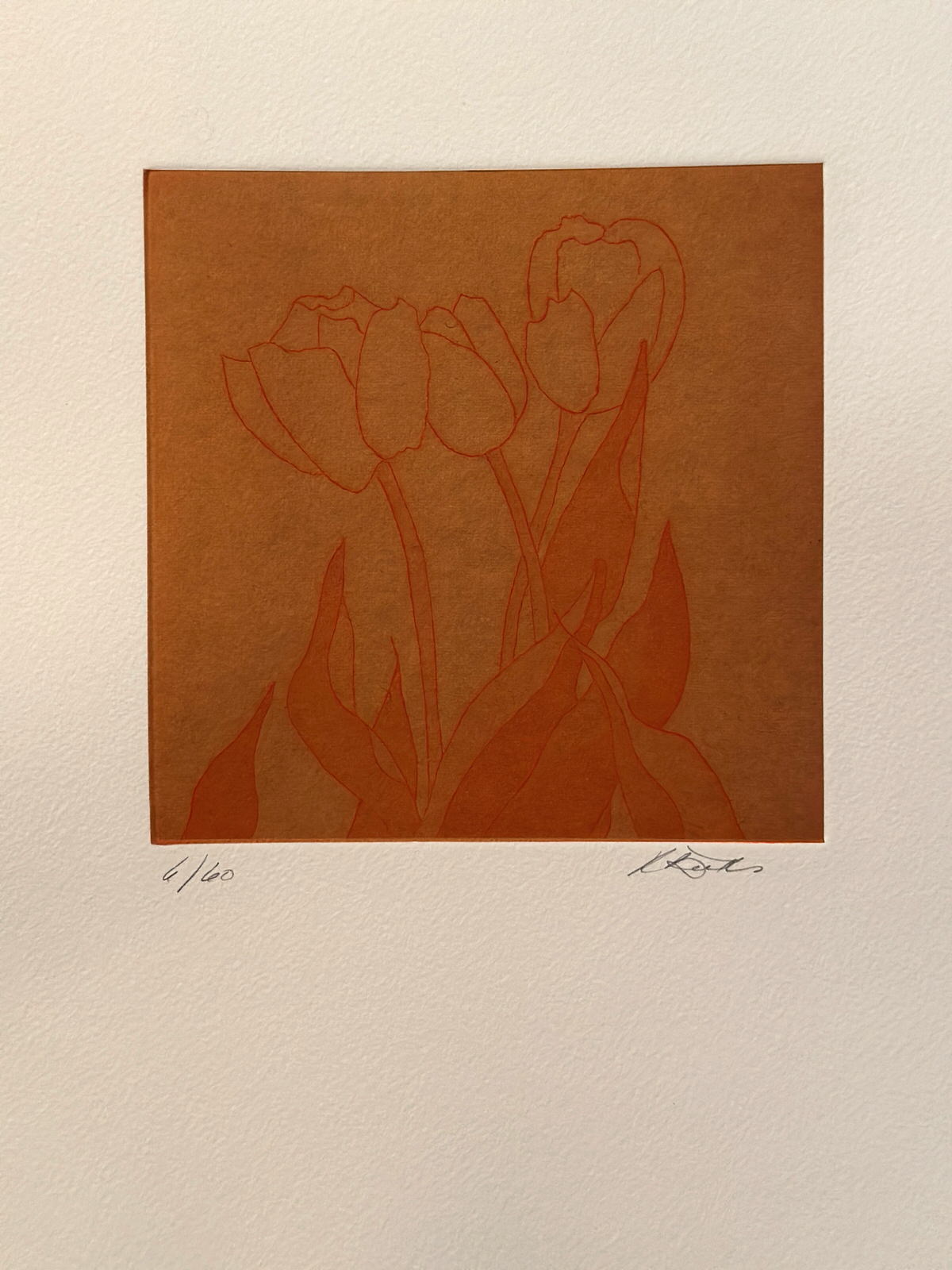
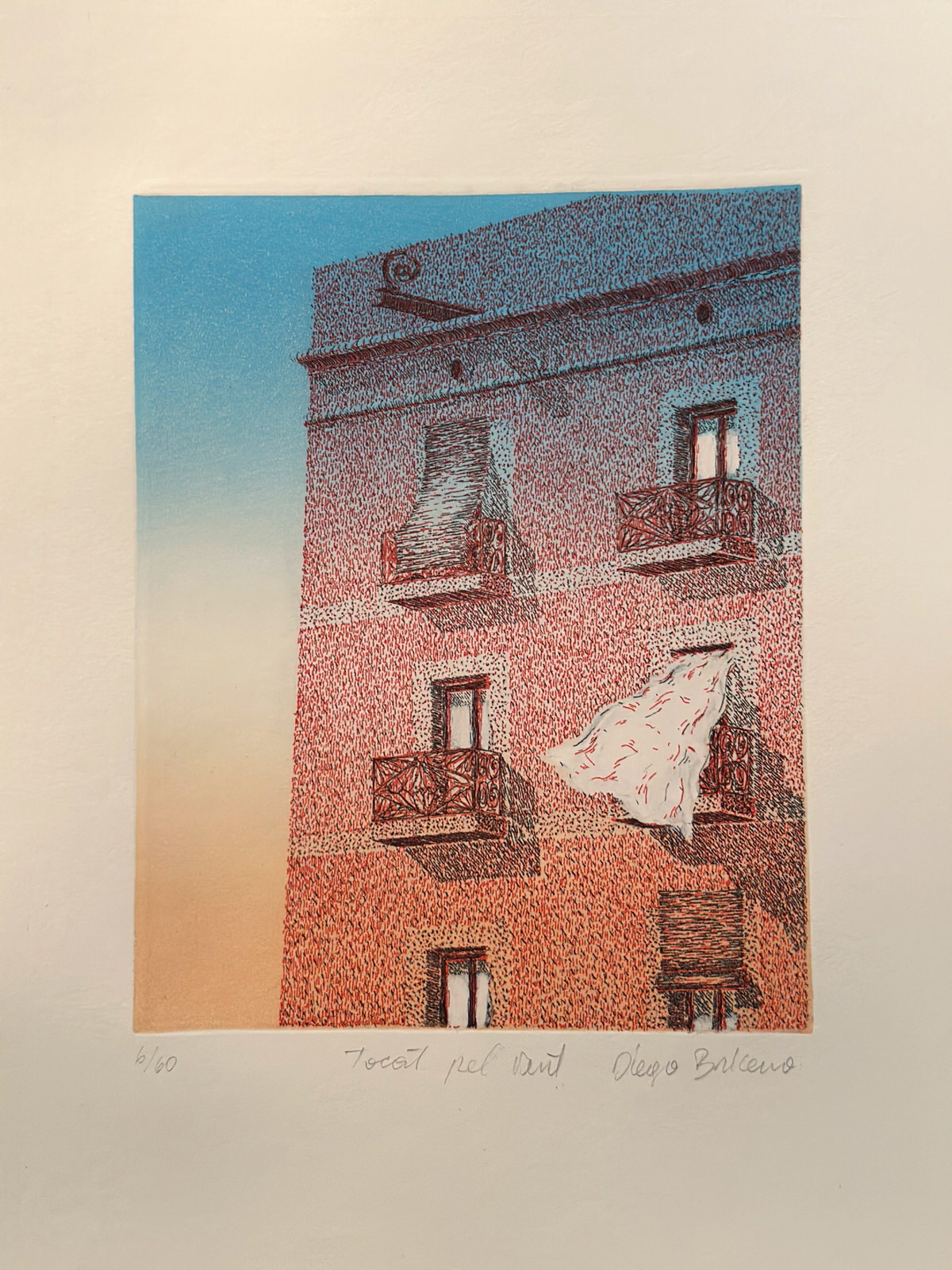
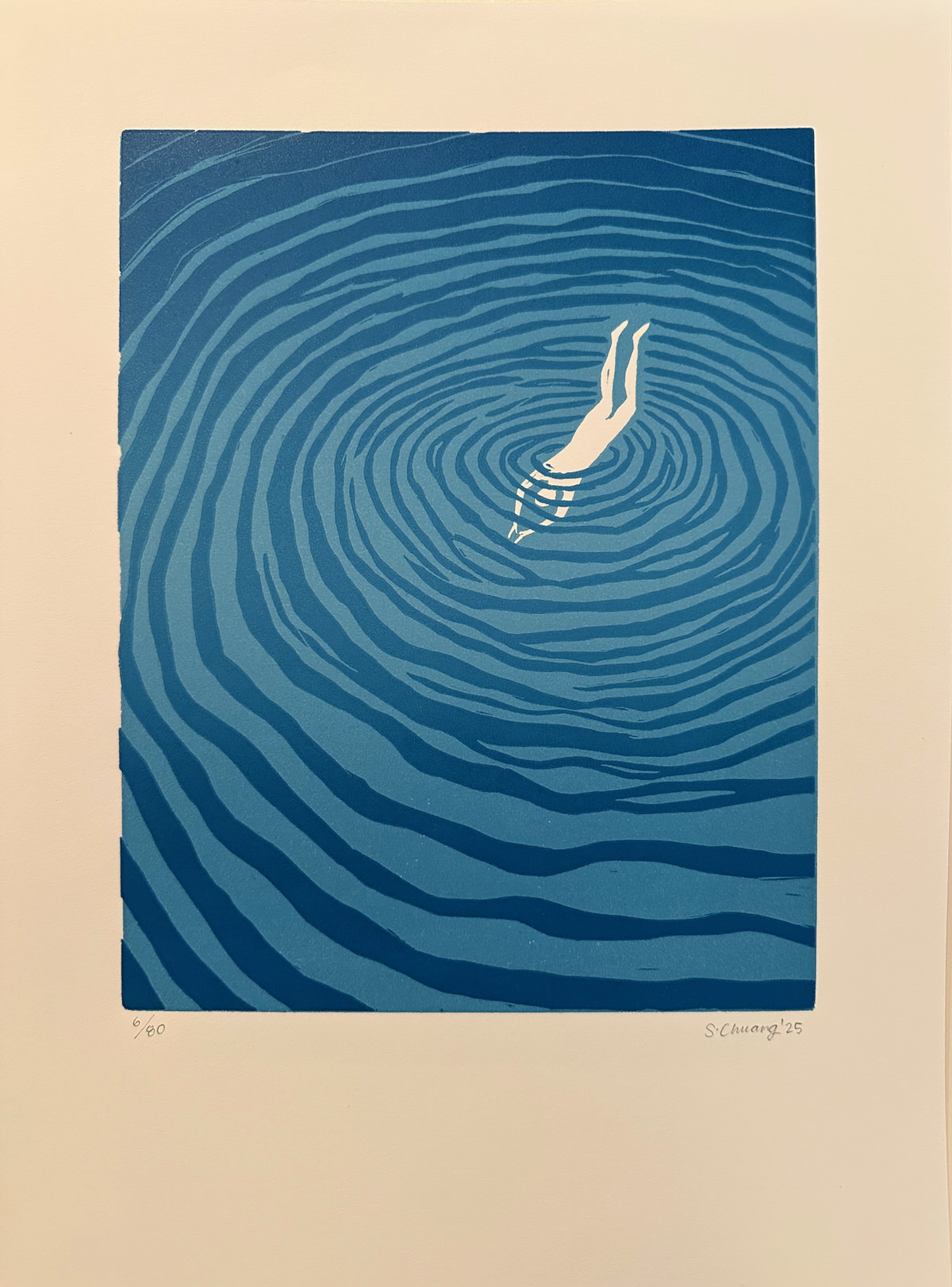
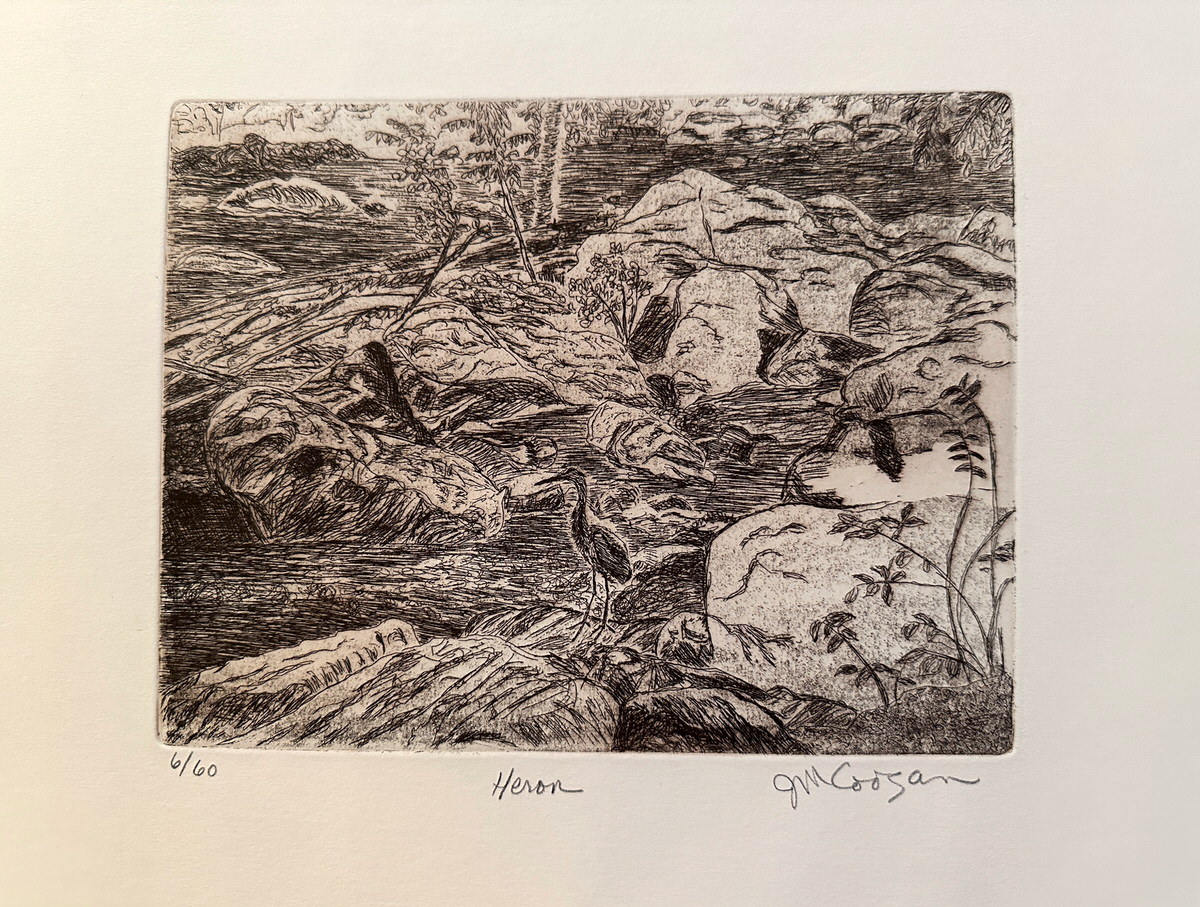
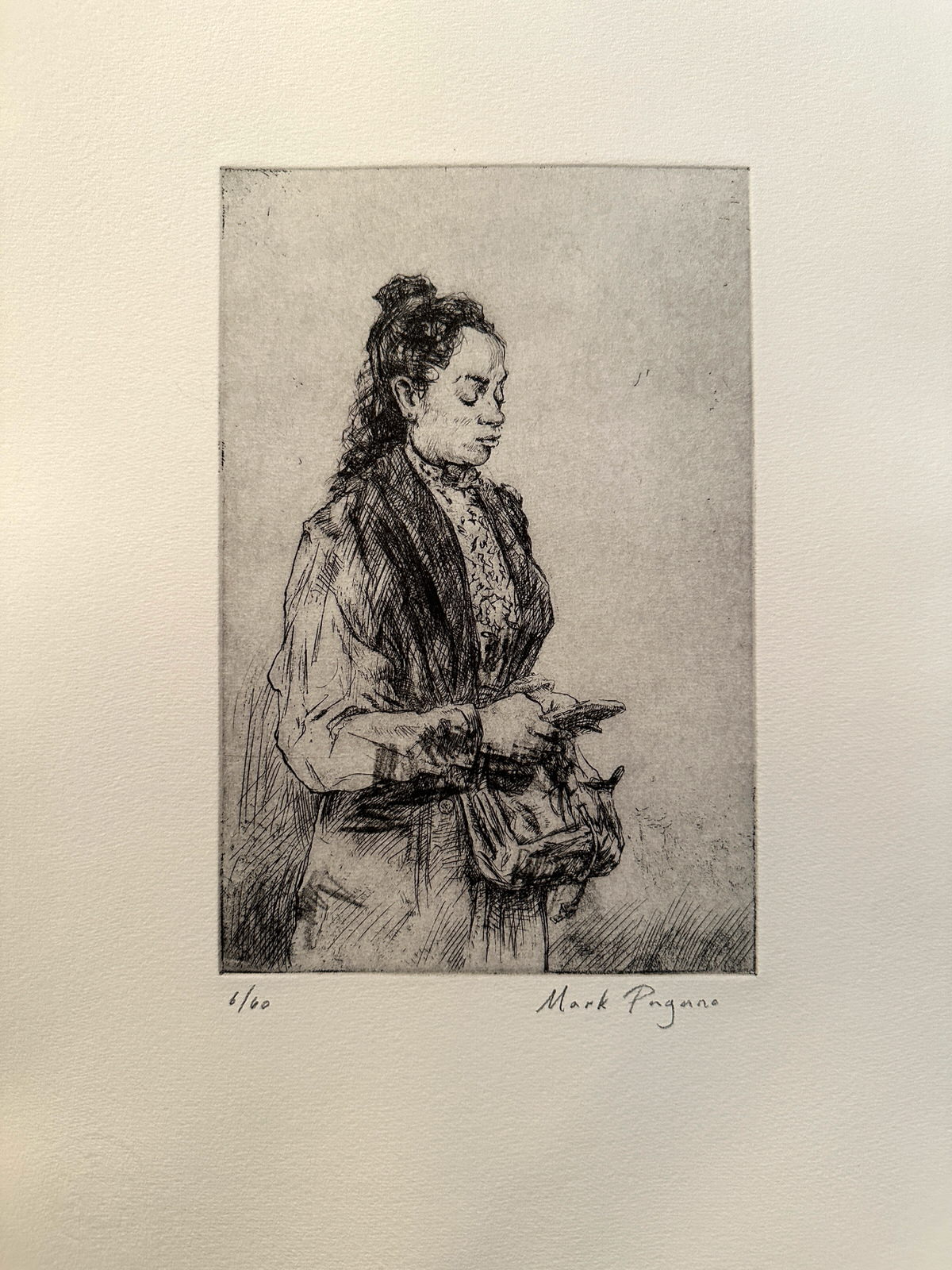
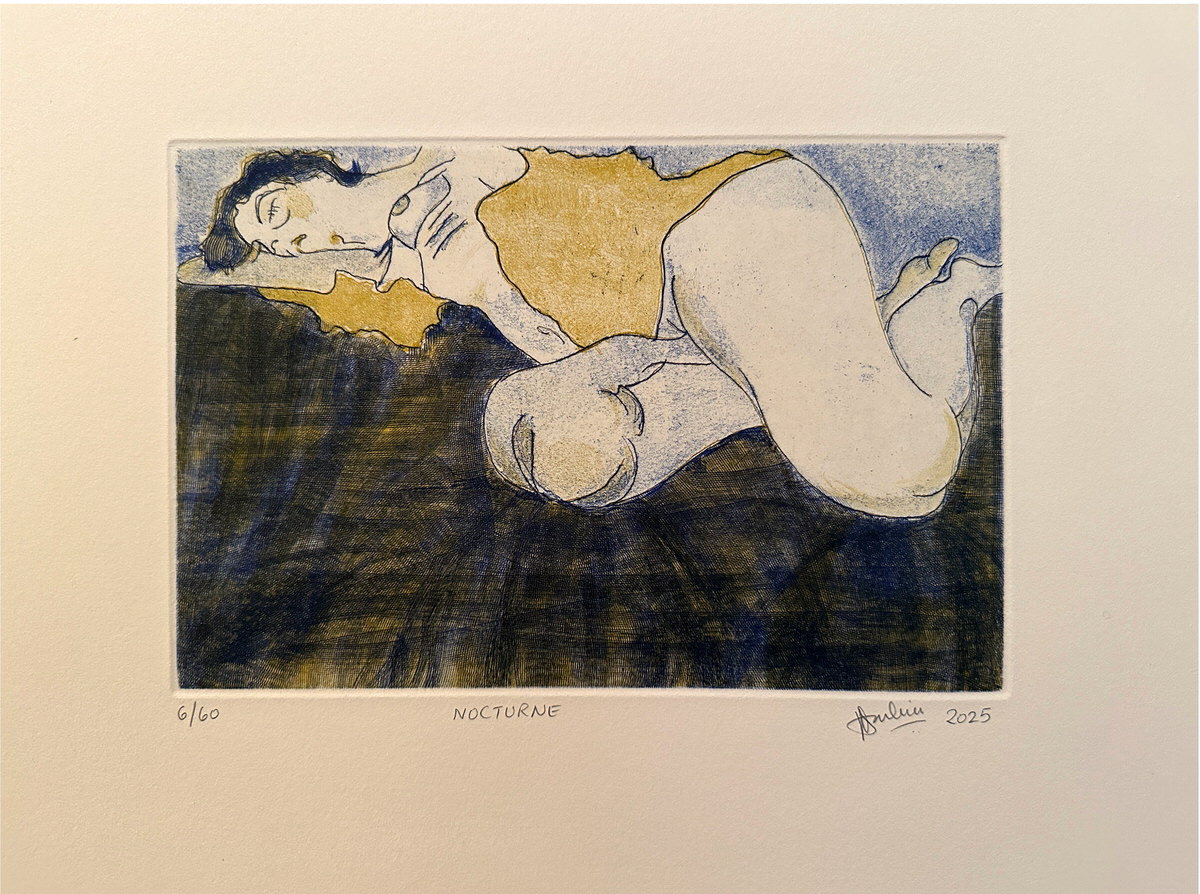
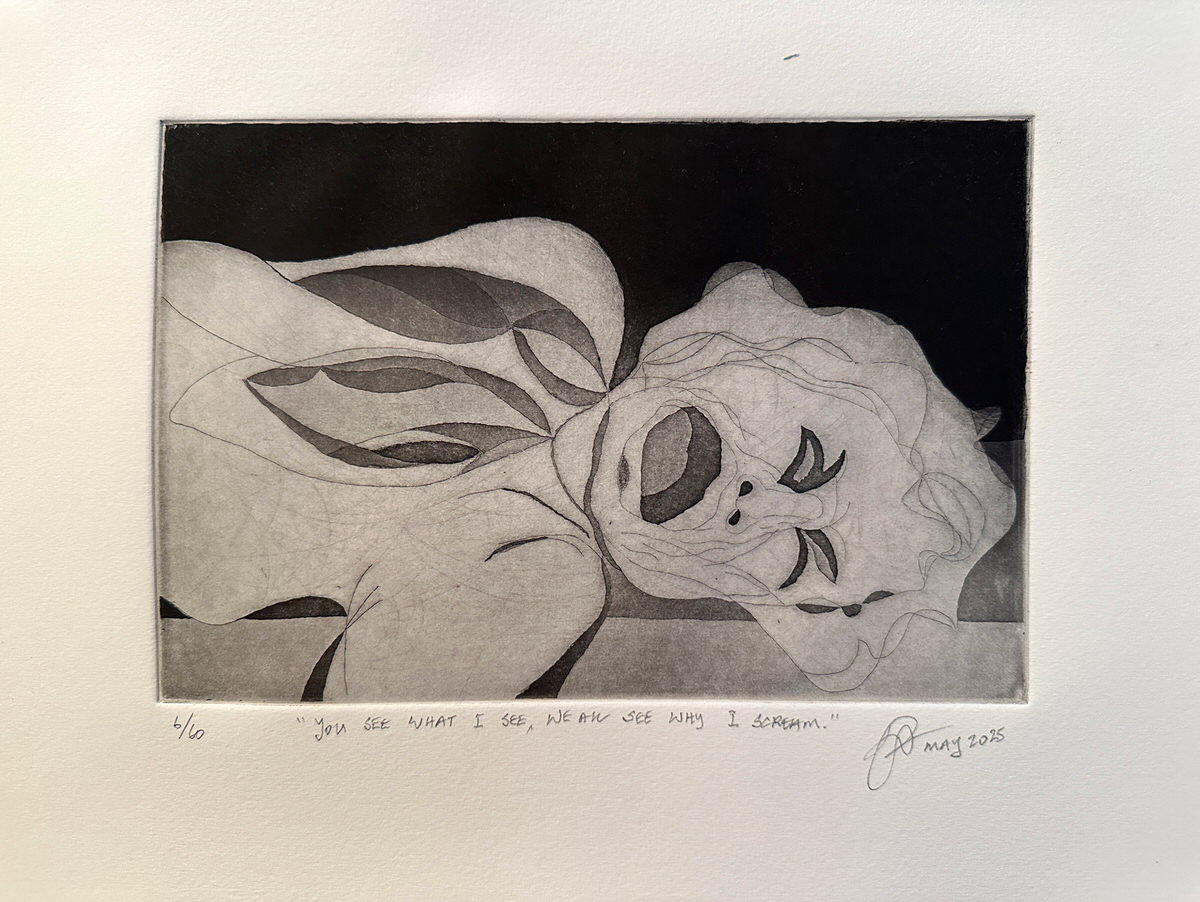
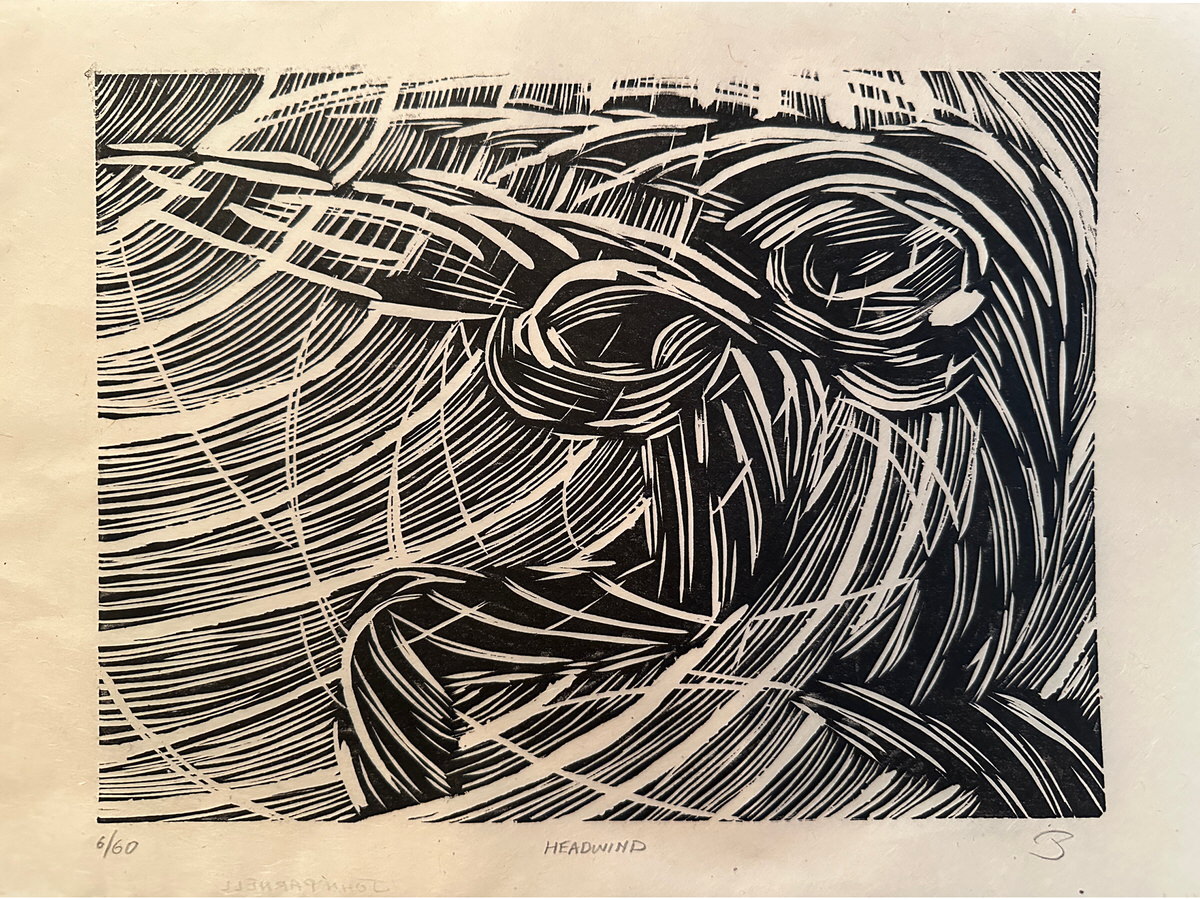
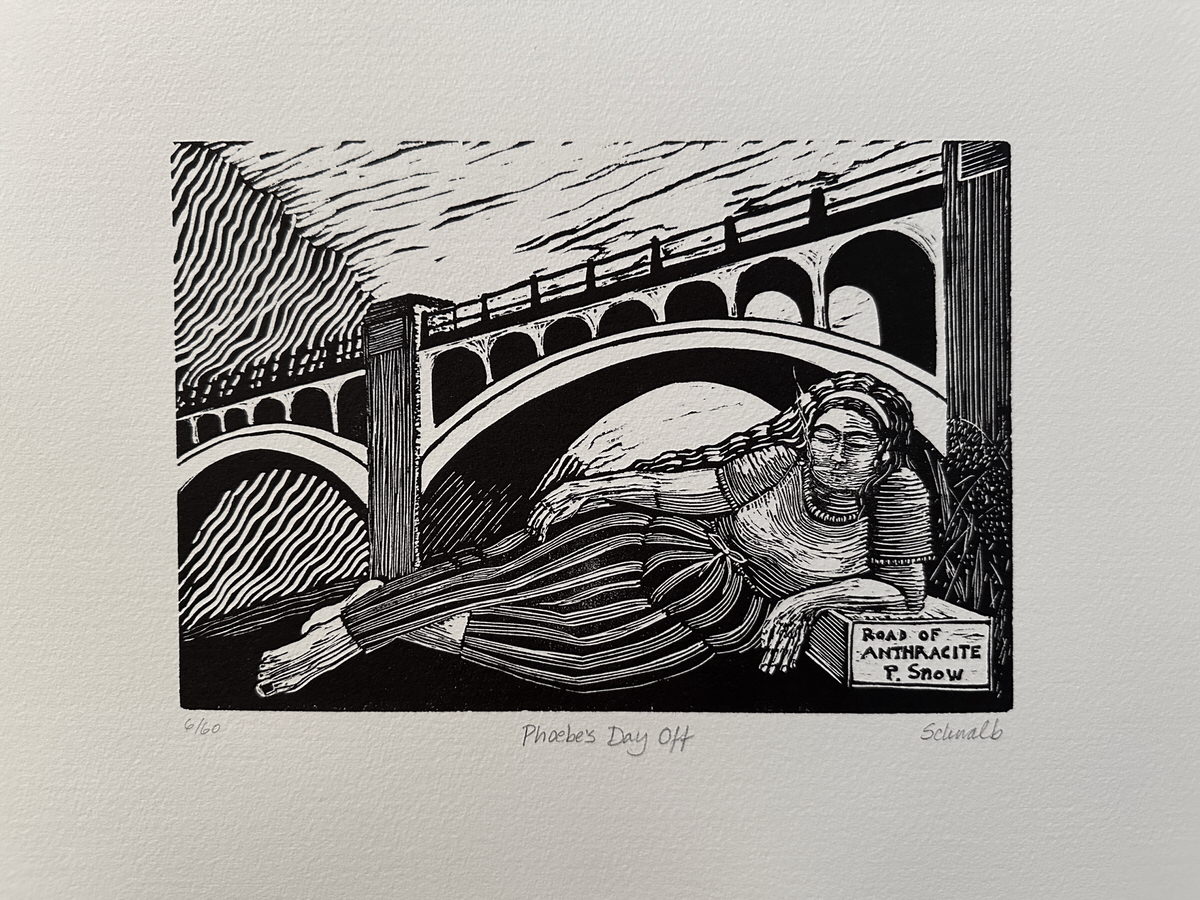
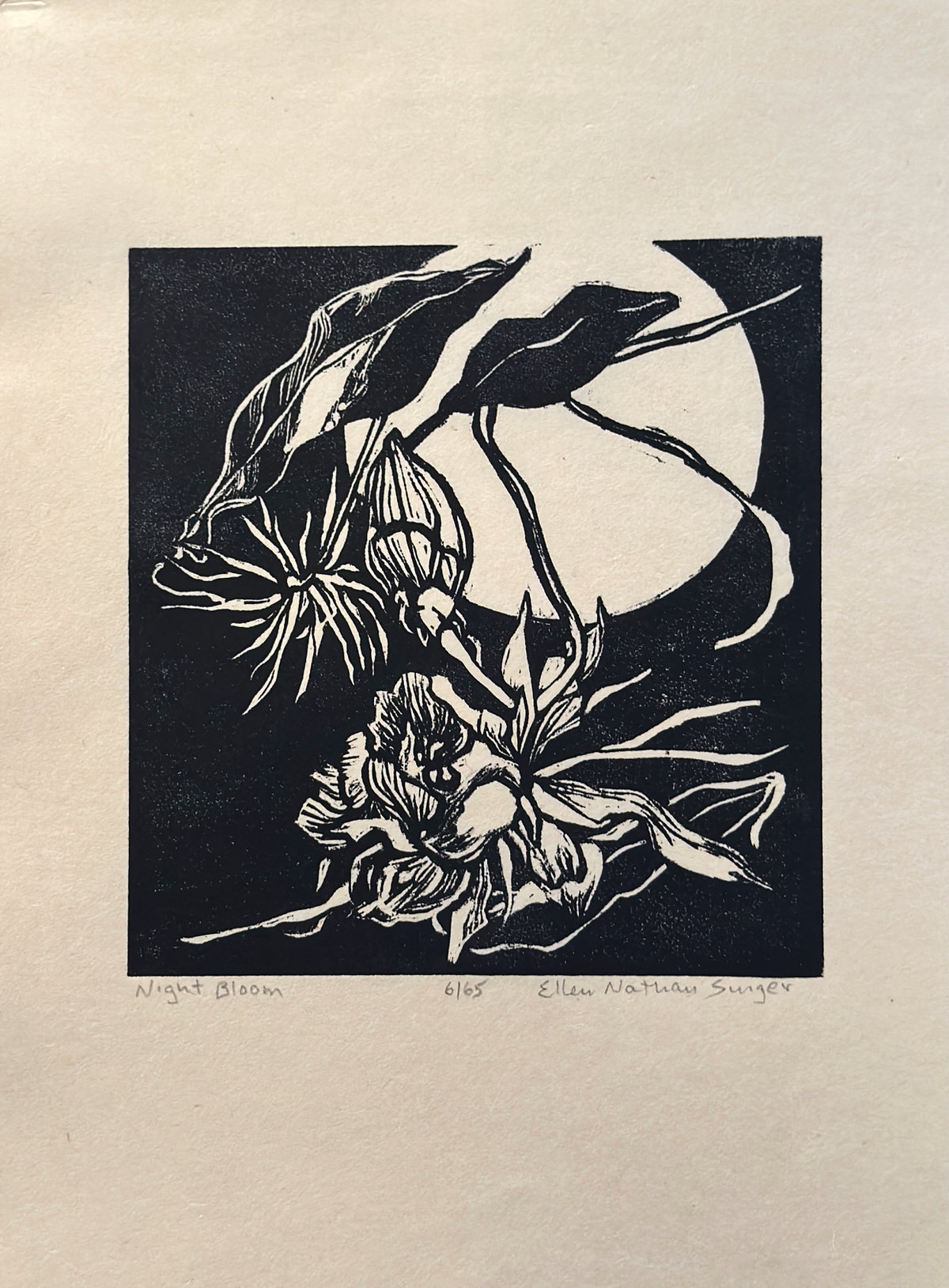
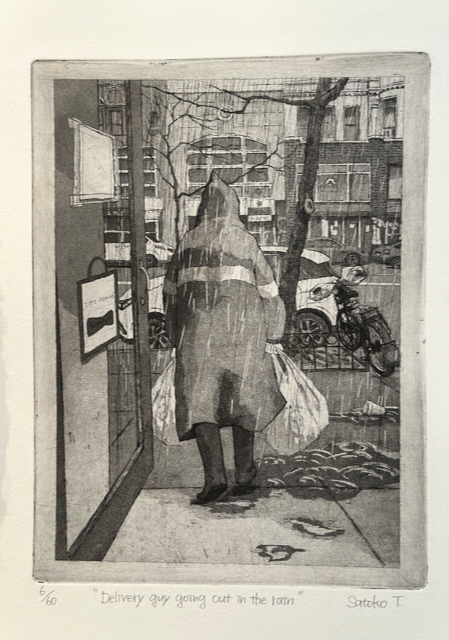
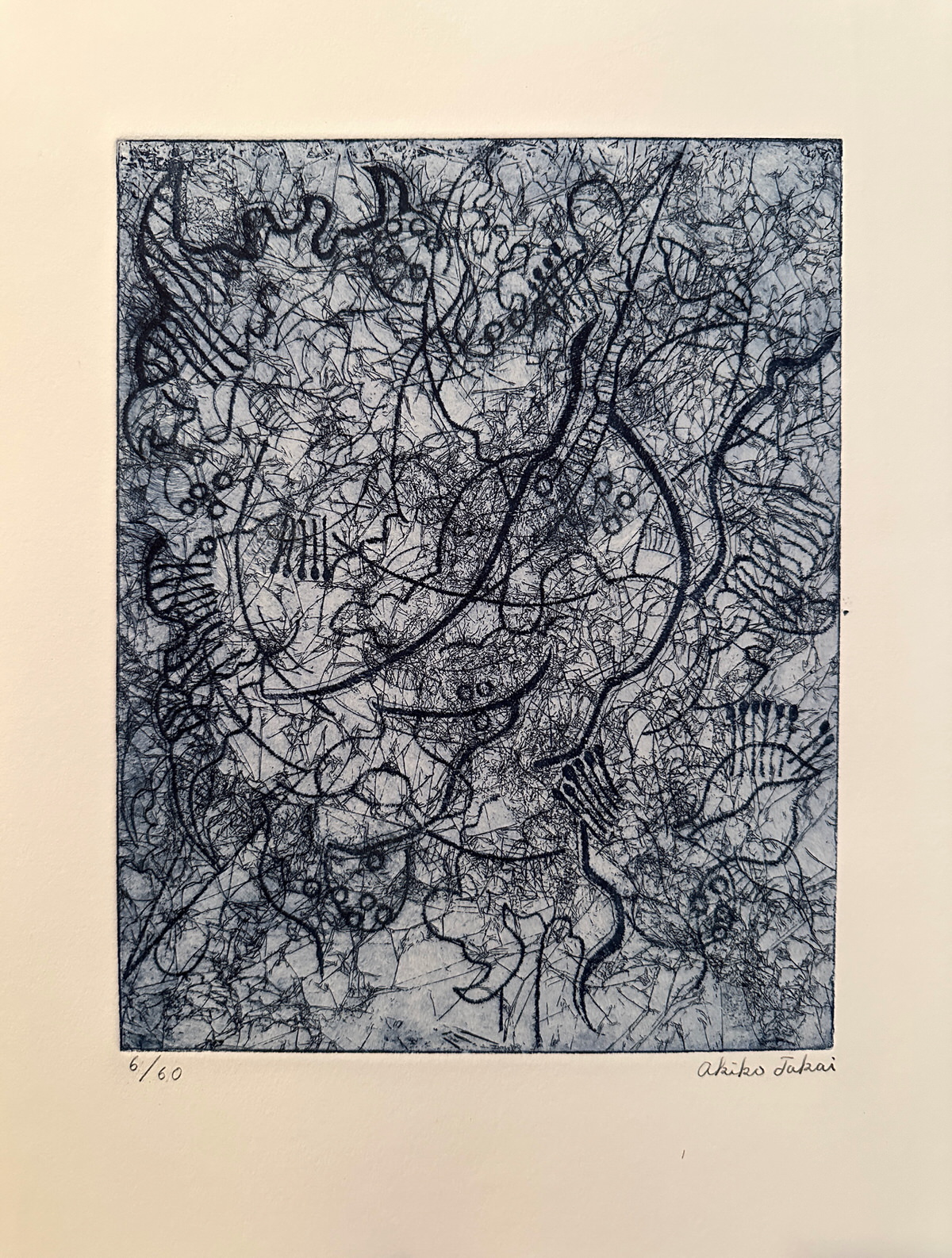
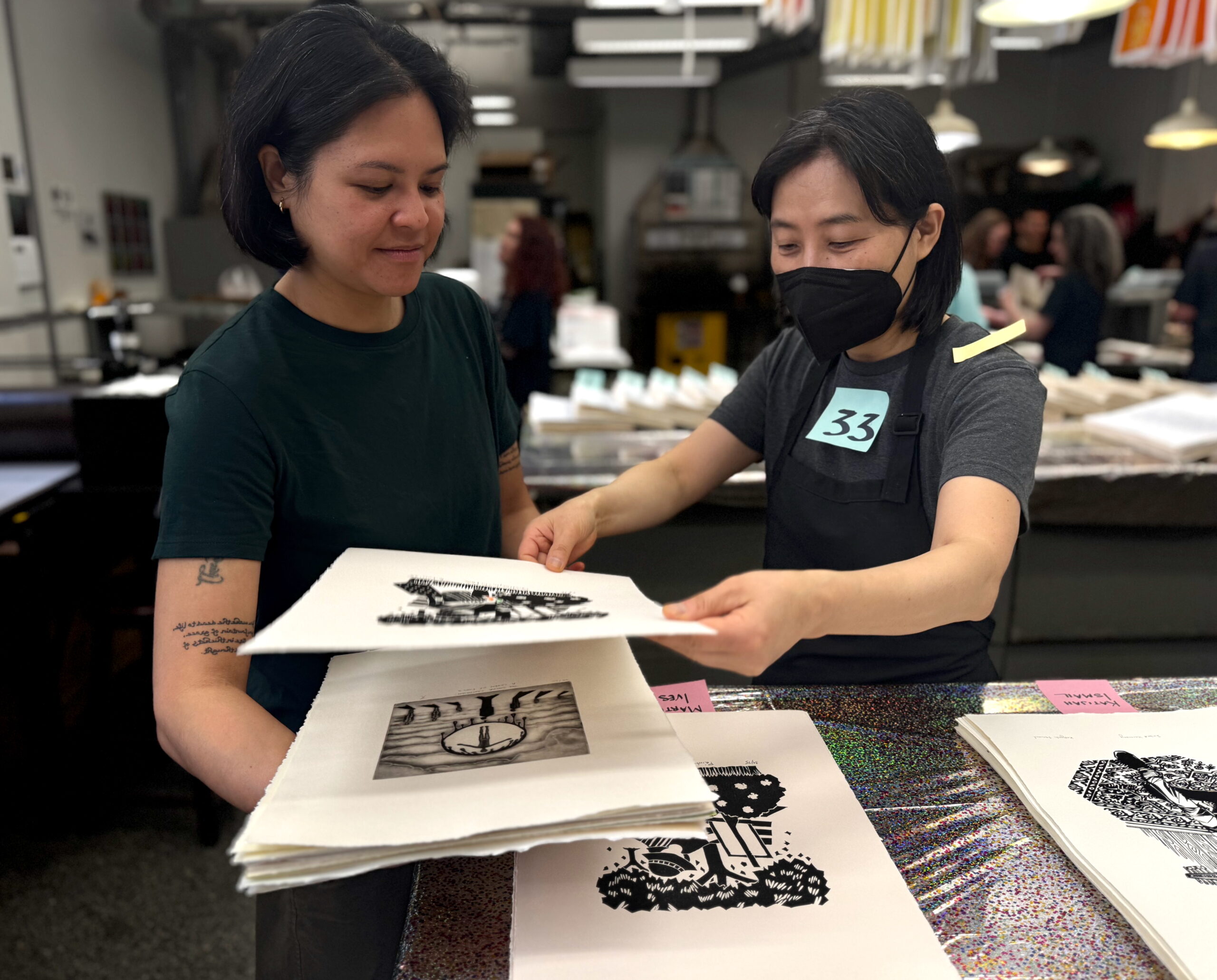
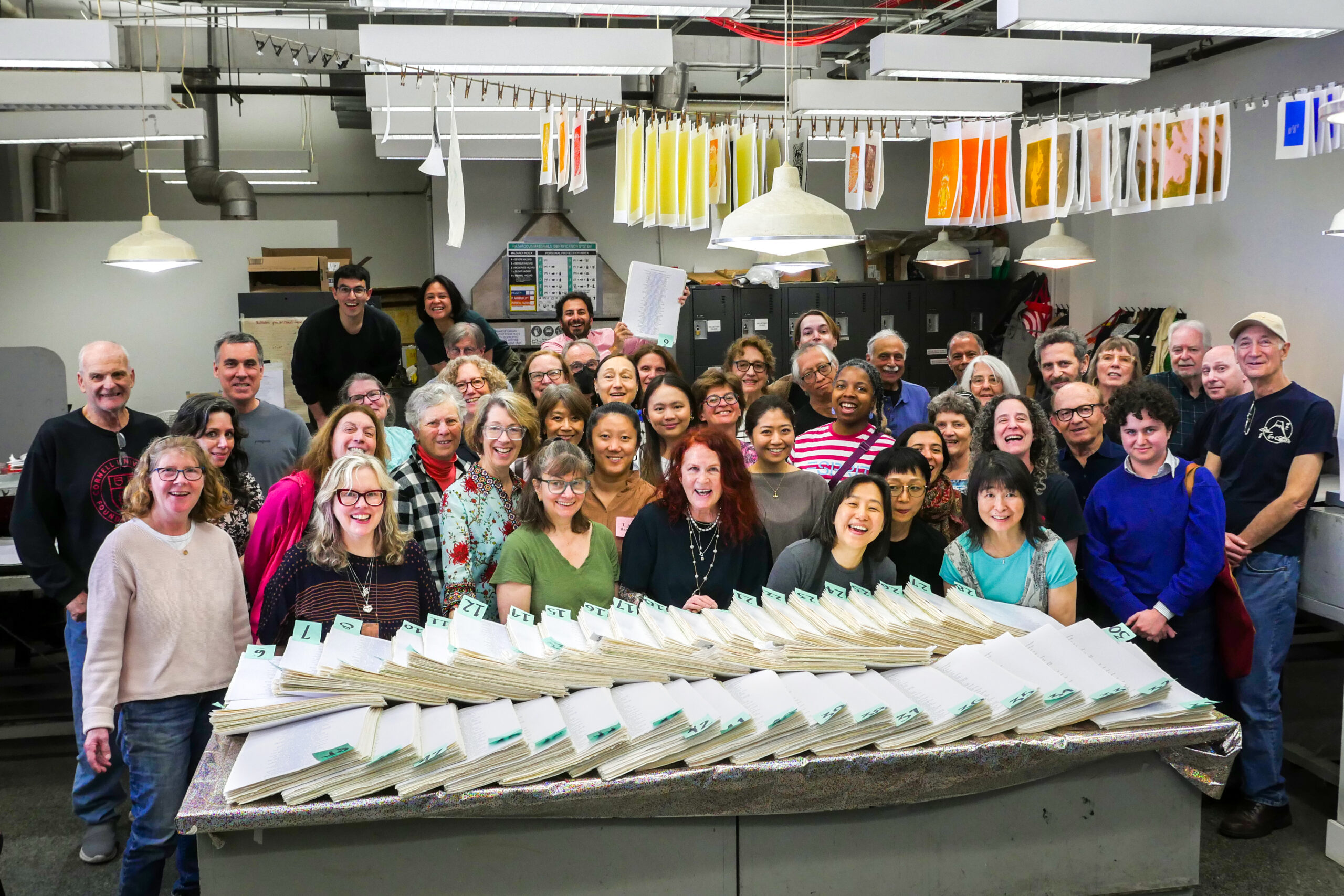
And now, in 2025, I’m proud to be producing this year’s portfolio alongside my colleagues Michael Pellettieri[1], Tomomi Ono[2], Georgia Küng[3], and Caroline Ongpin[4]. As always, the sign-up sheet went up in the studio in September, with the edition deadline for the first week of May. We set the edition at 60: 55 participants, plus five additional sets reserved for donation, sale, and exhibition.
Though a few participants had to withdraw during the year, we had a waiting list of eager students ready to step in. The title page of the finished portfolio lists an extraordinary variety of techniques: etching, aquatint, soft and hard ground, chine collé, multi-plate etching, stone and aluminum lithography (including two-color lithographs), collagraph, two- and three-color linocuts, linocuts with hand-applied watercolor, woodcut, screen print (including three-color prints), photogravure, polymer photo etching, and letterpress from a photo-polymer plate.
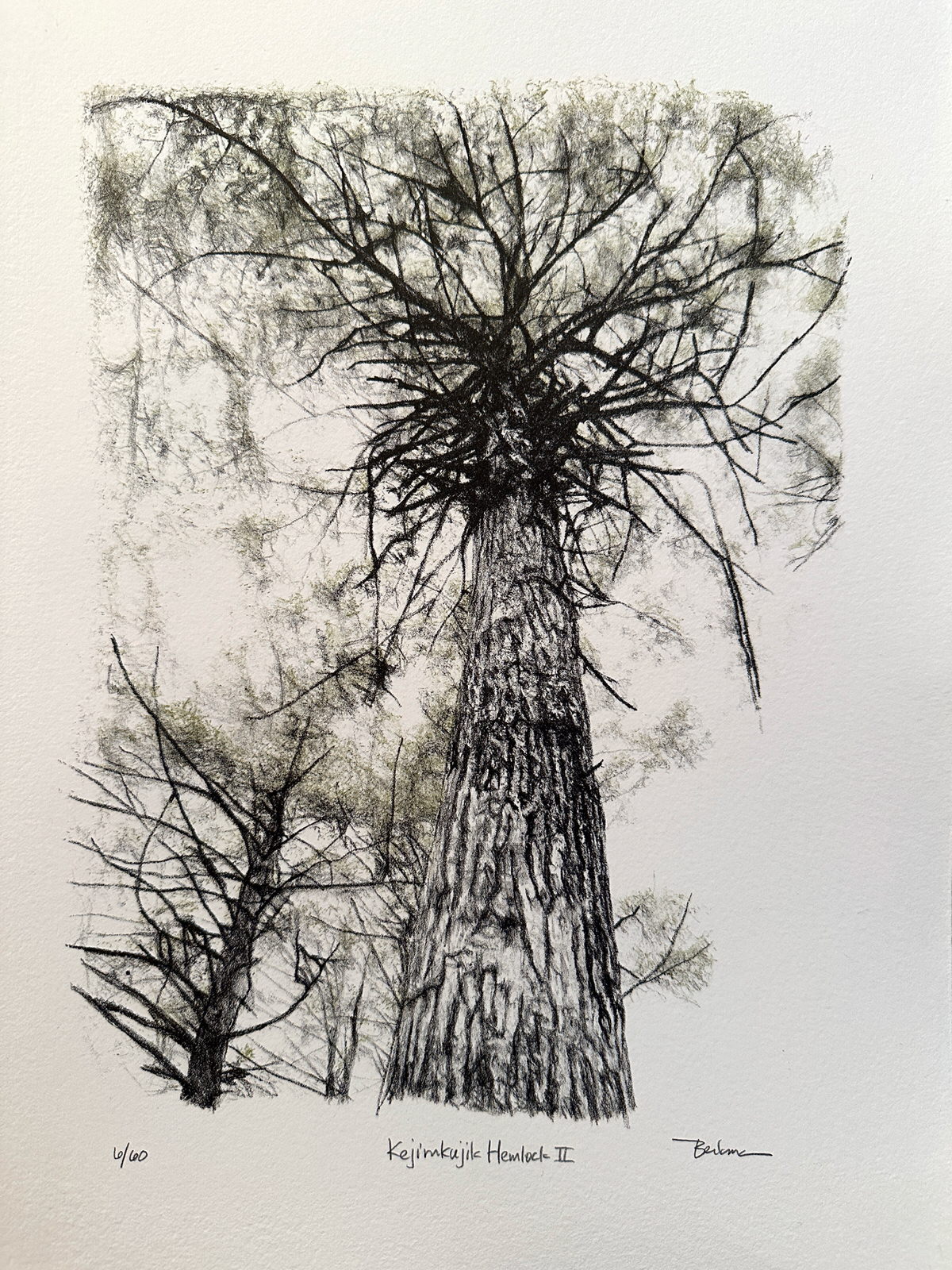
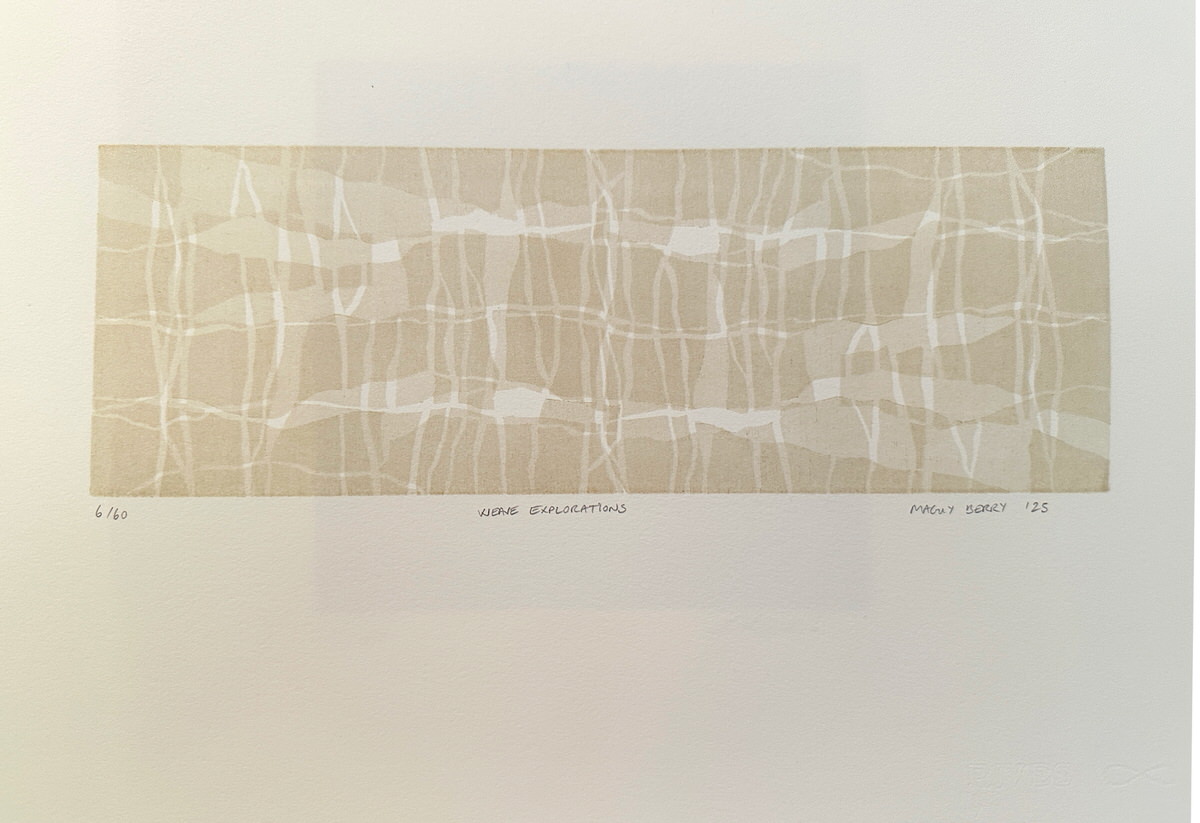
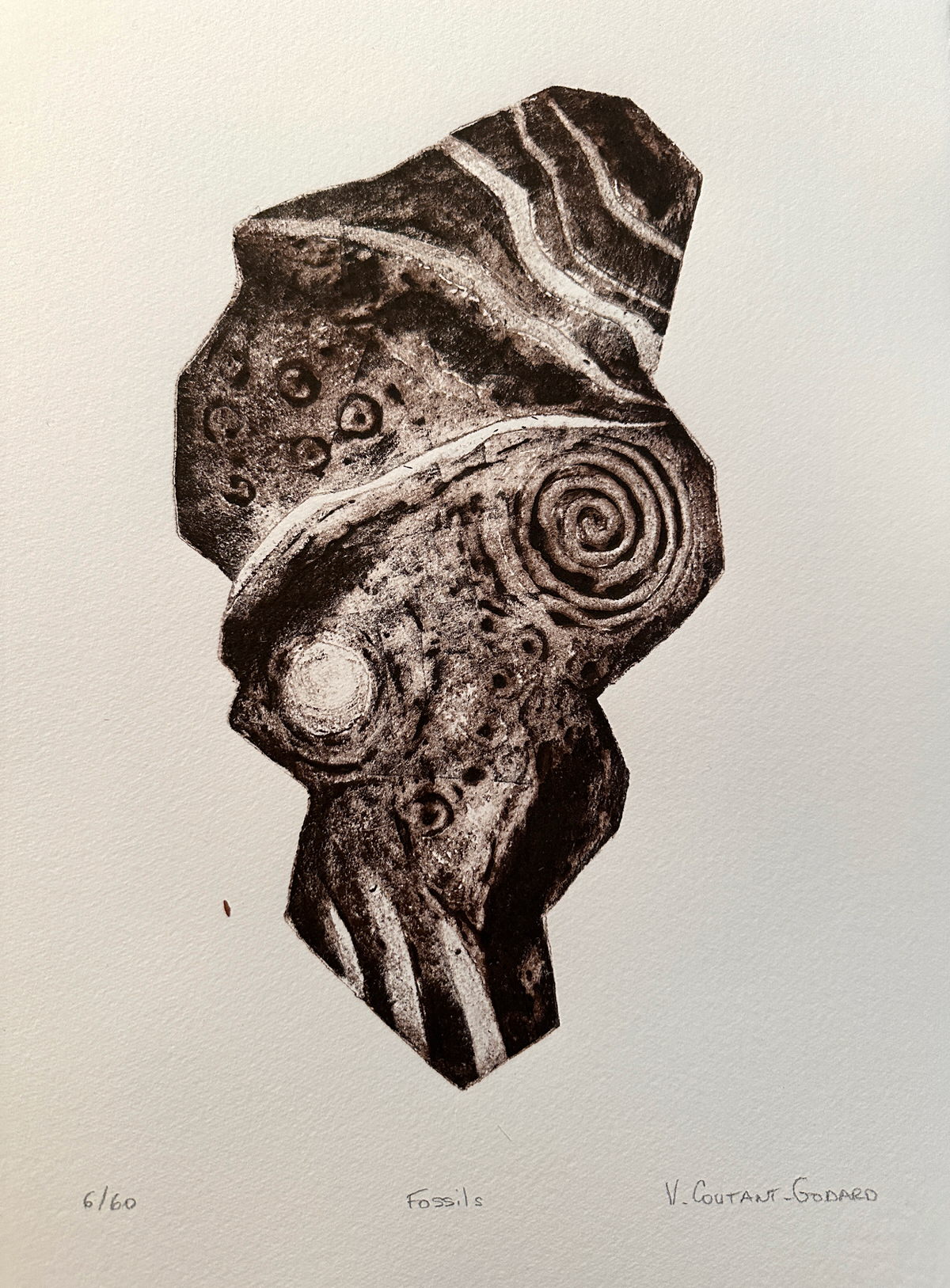
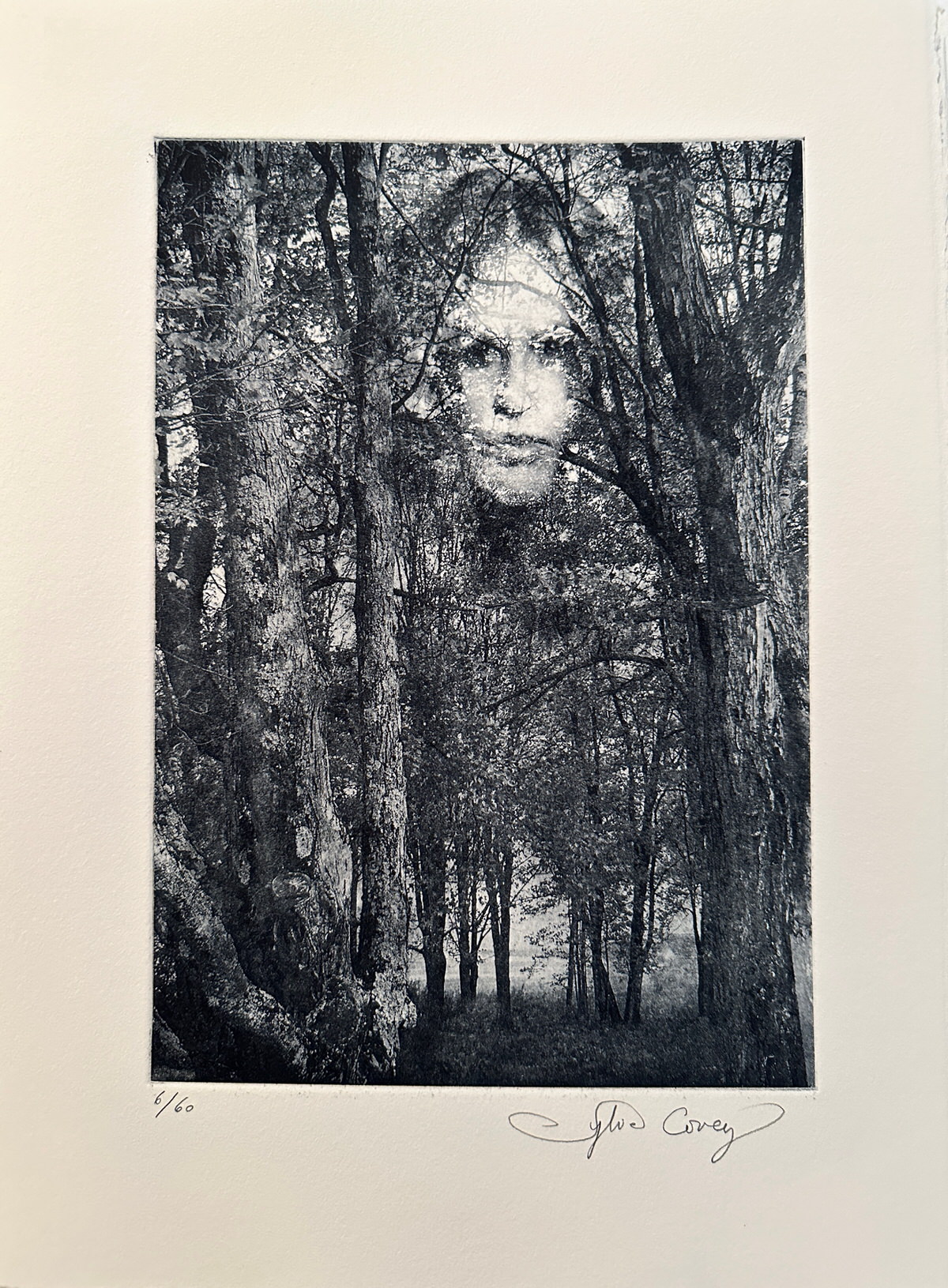
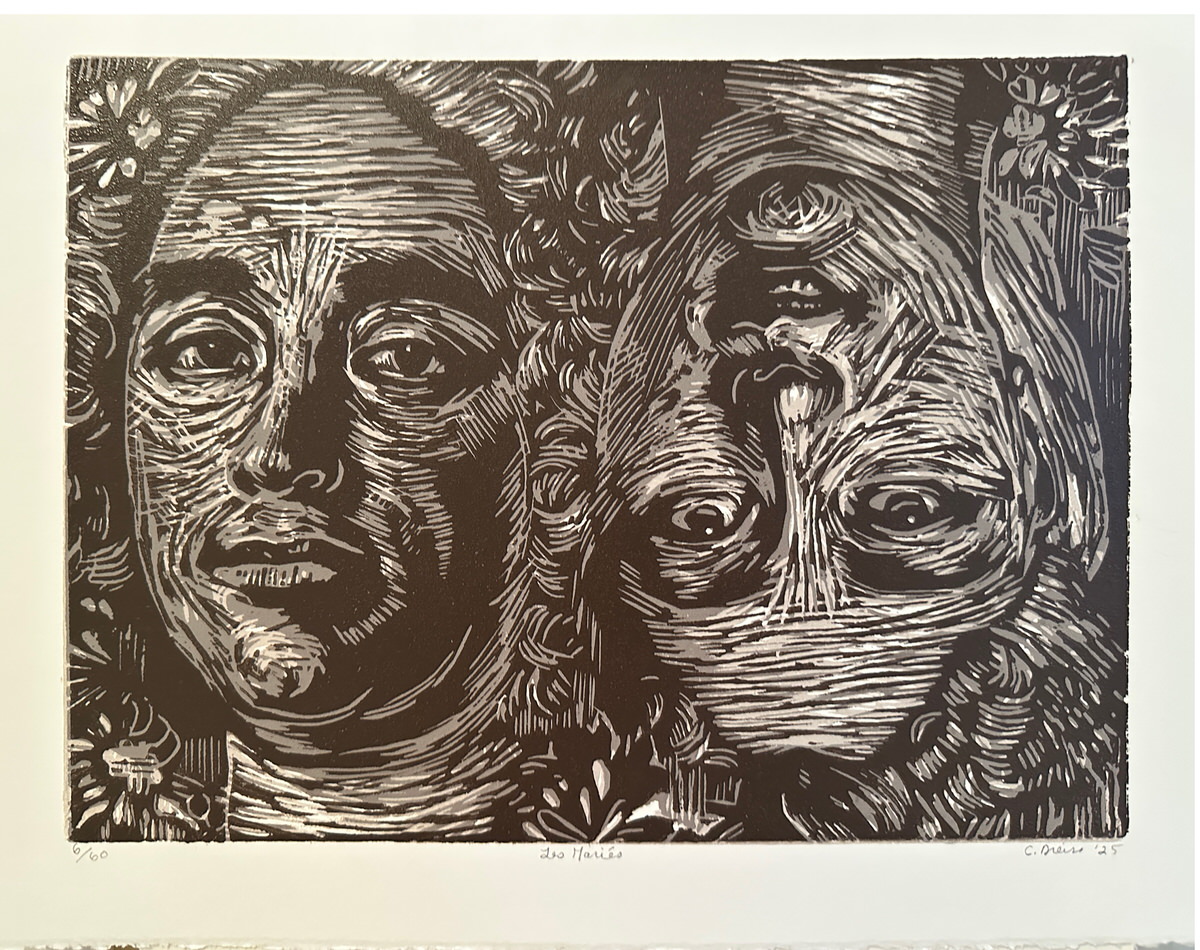
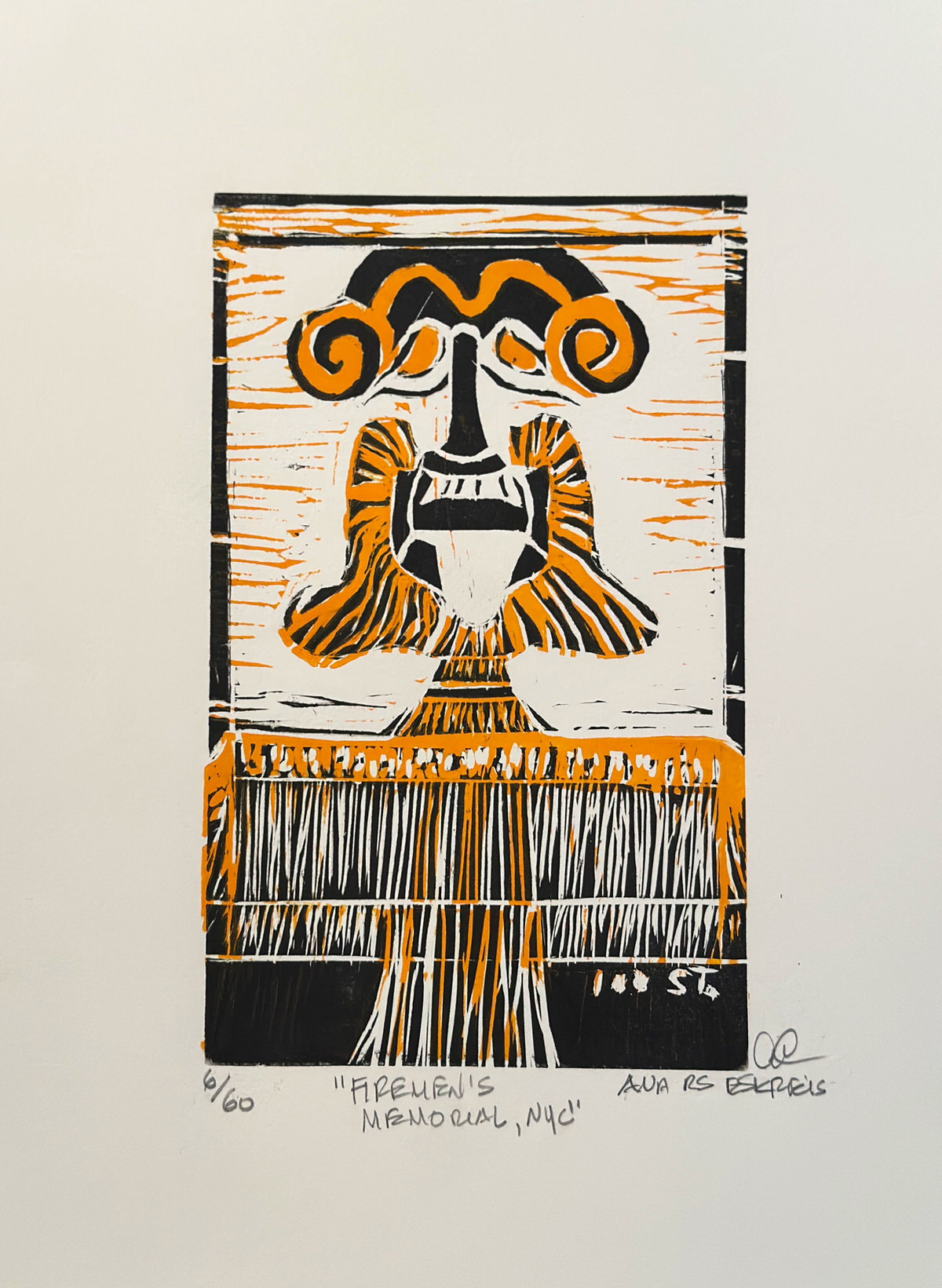
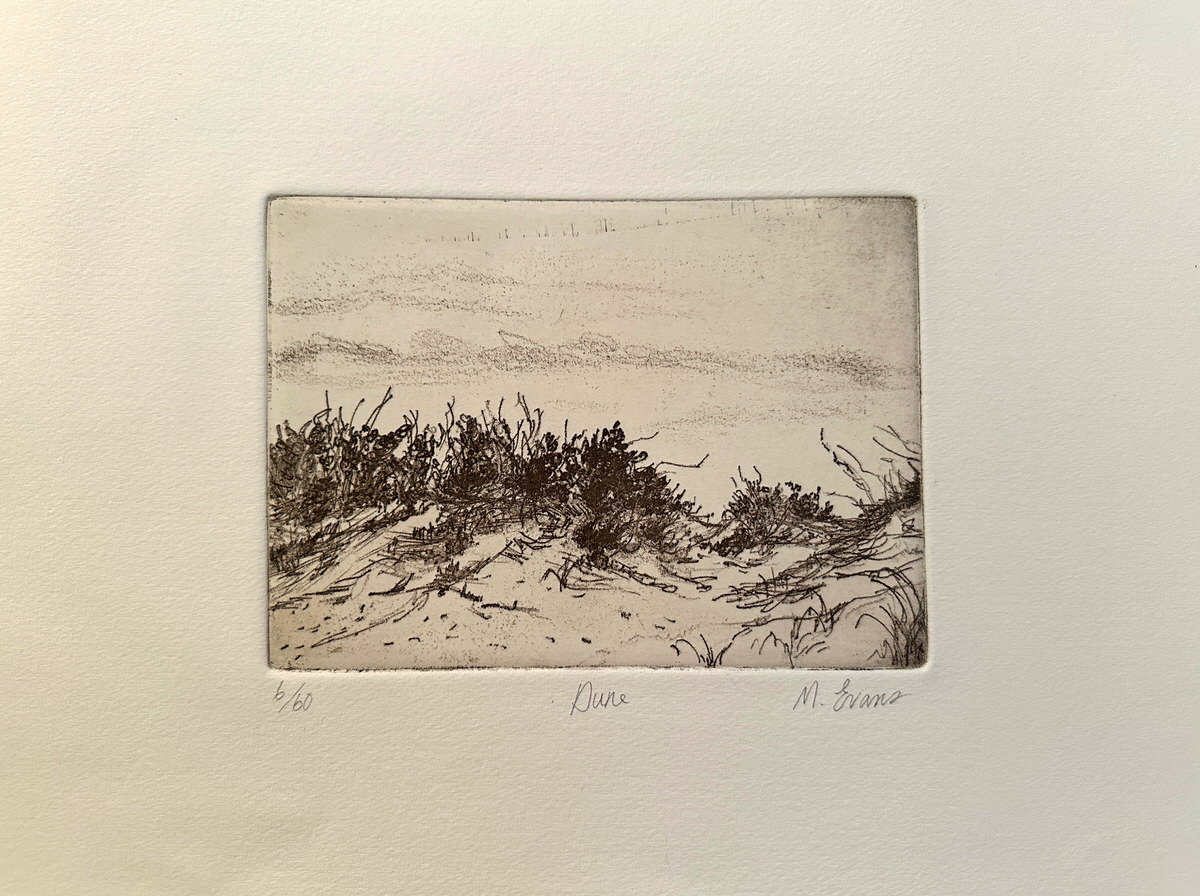
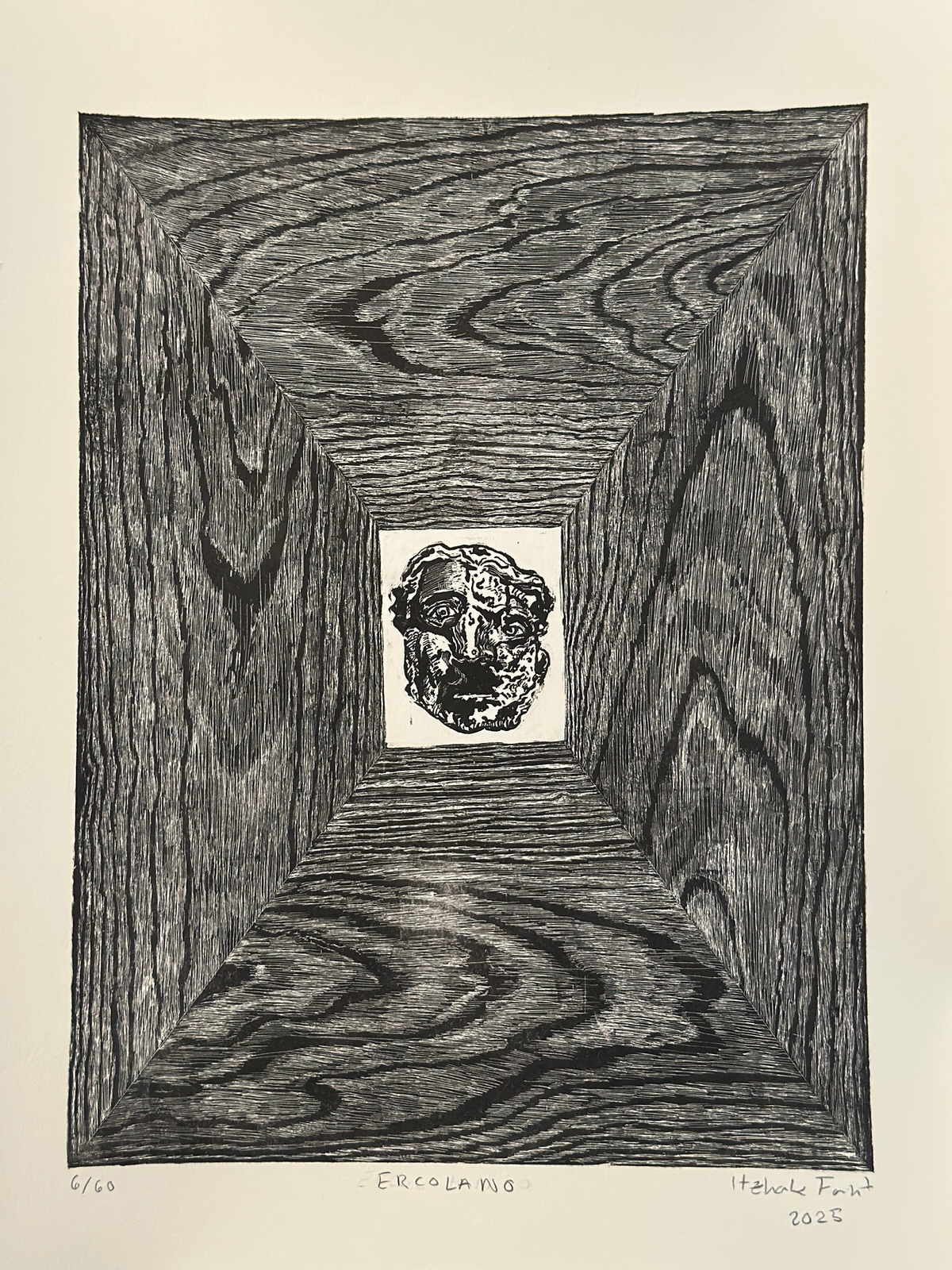
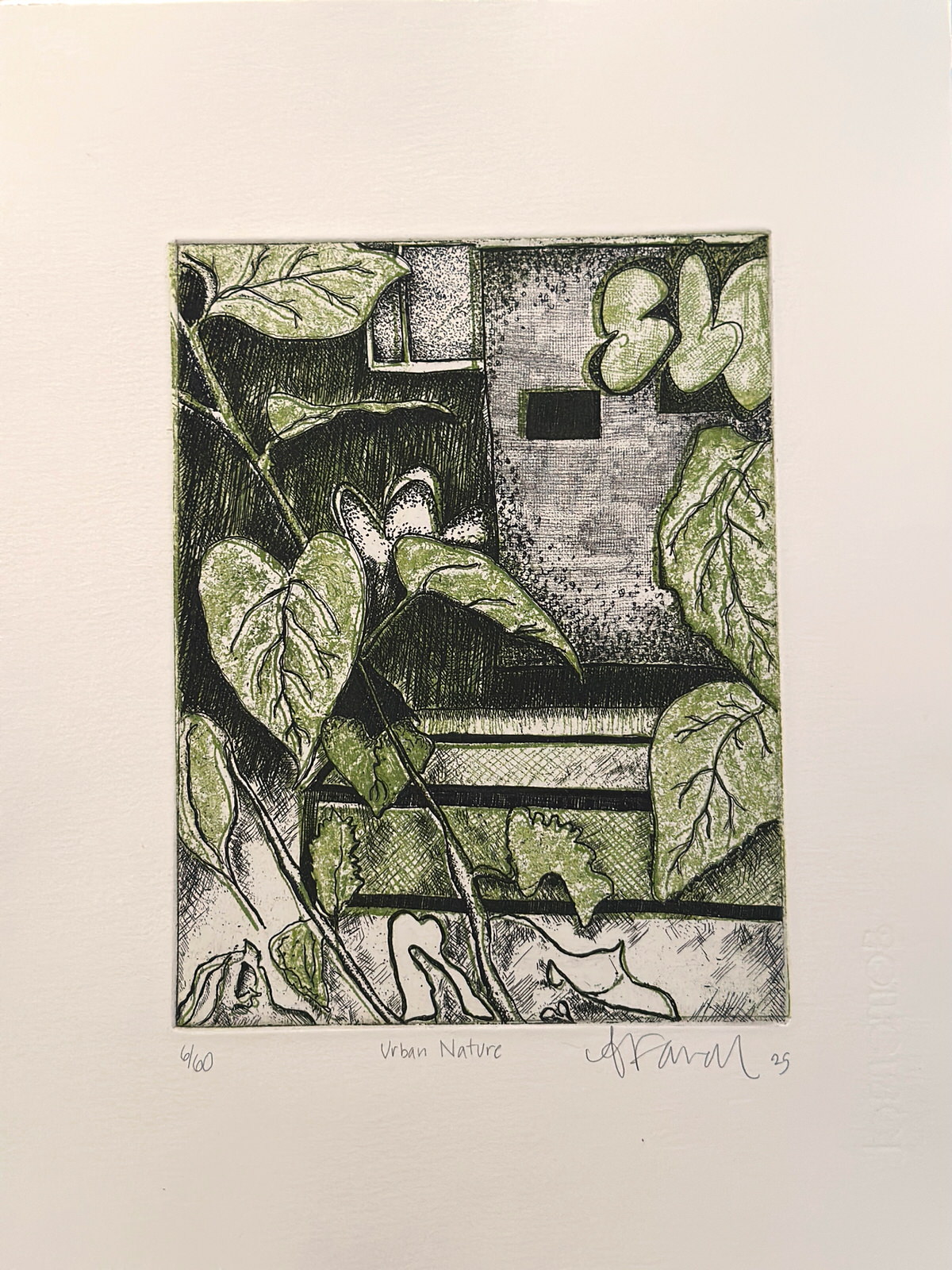
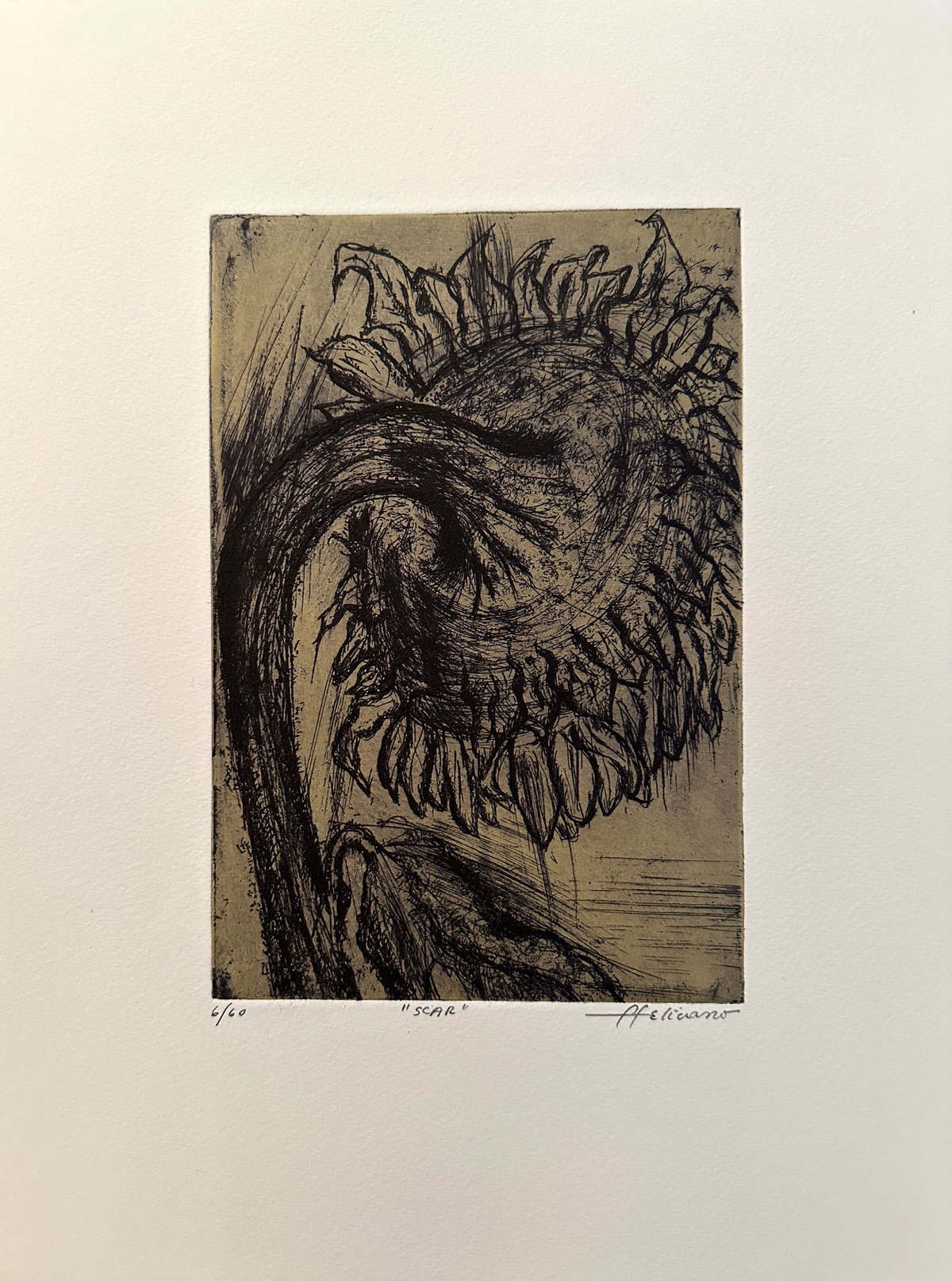
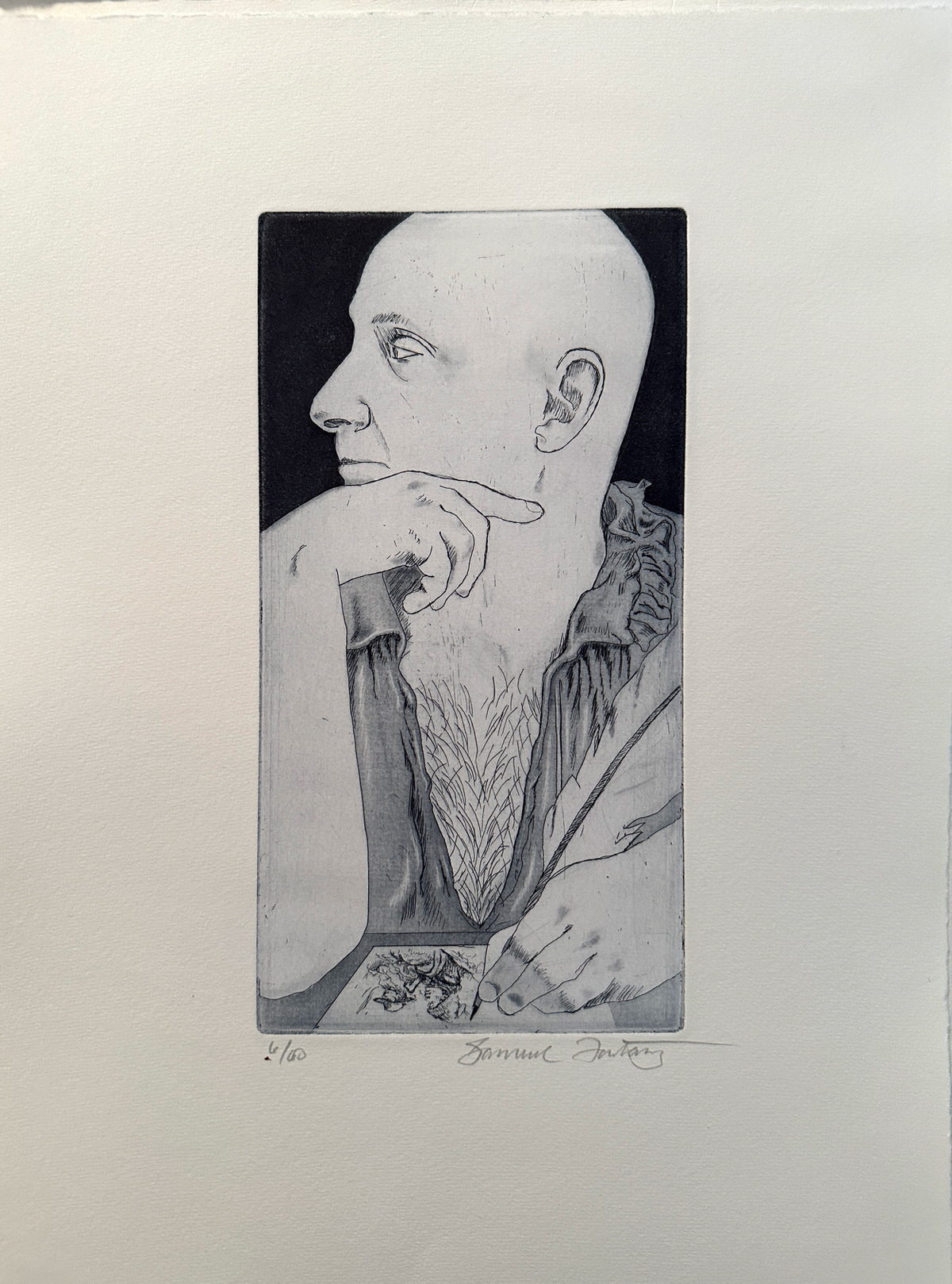
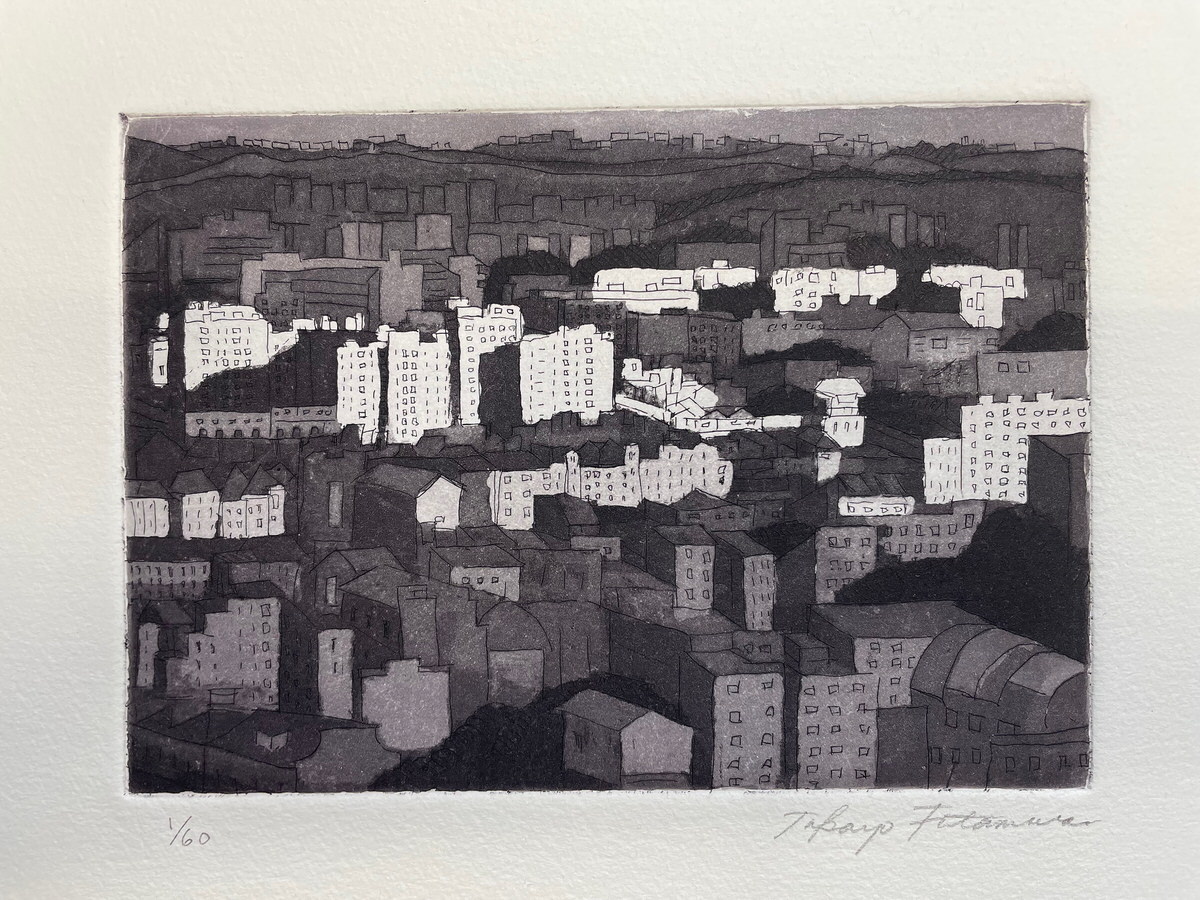
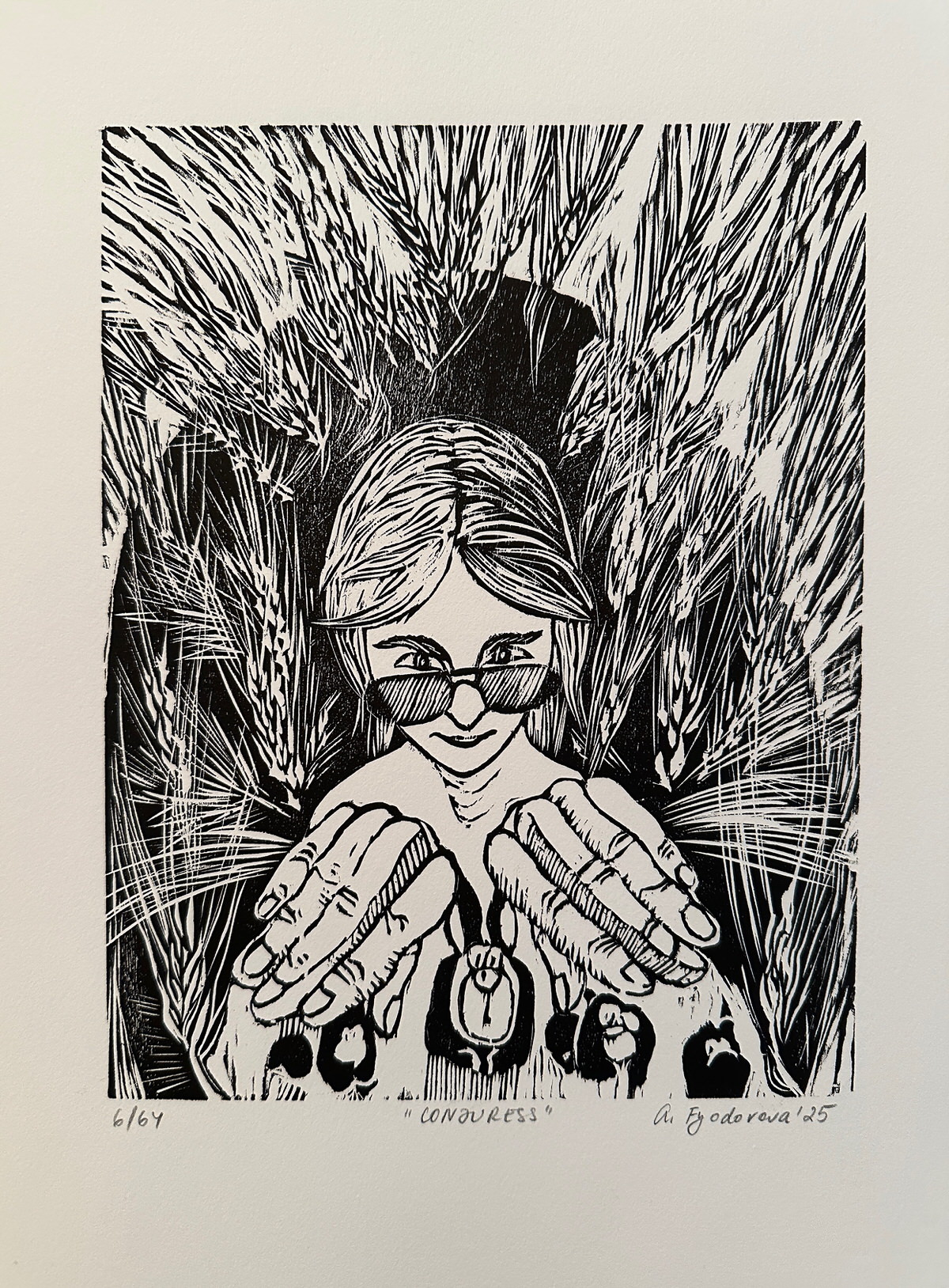
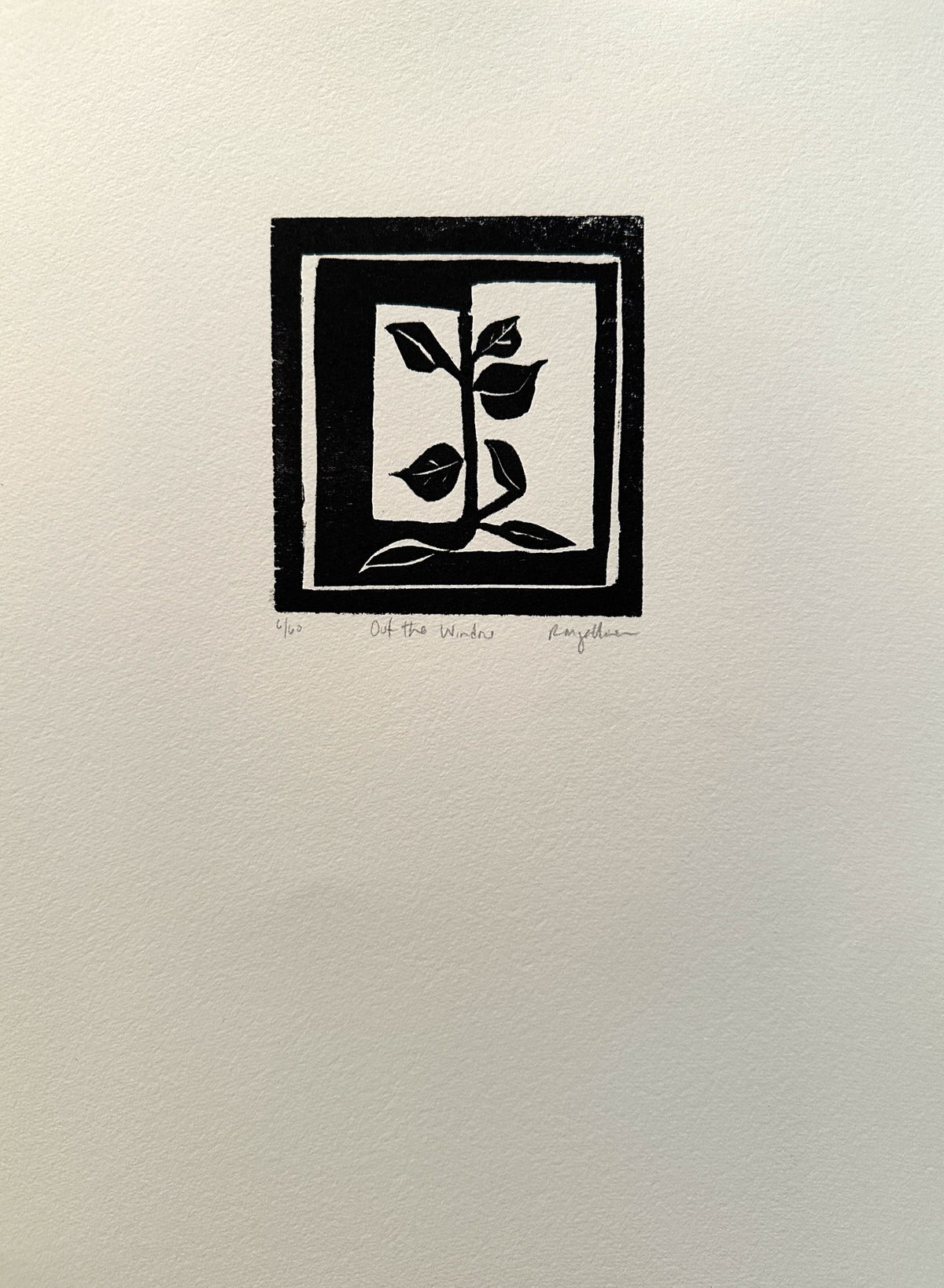
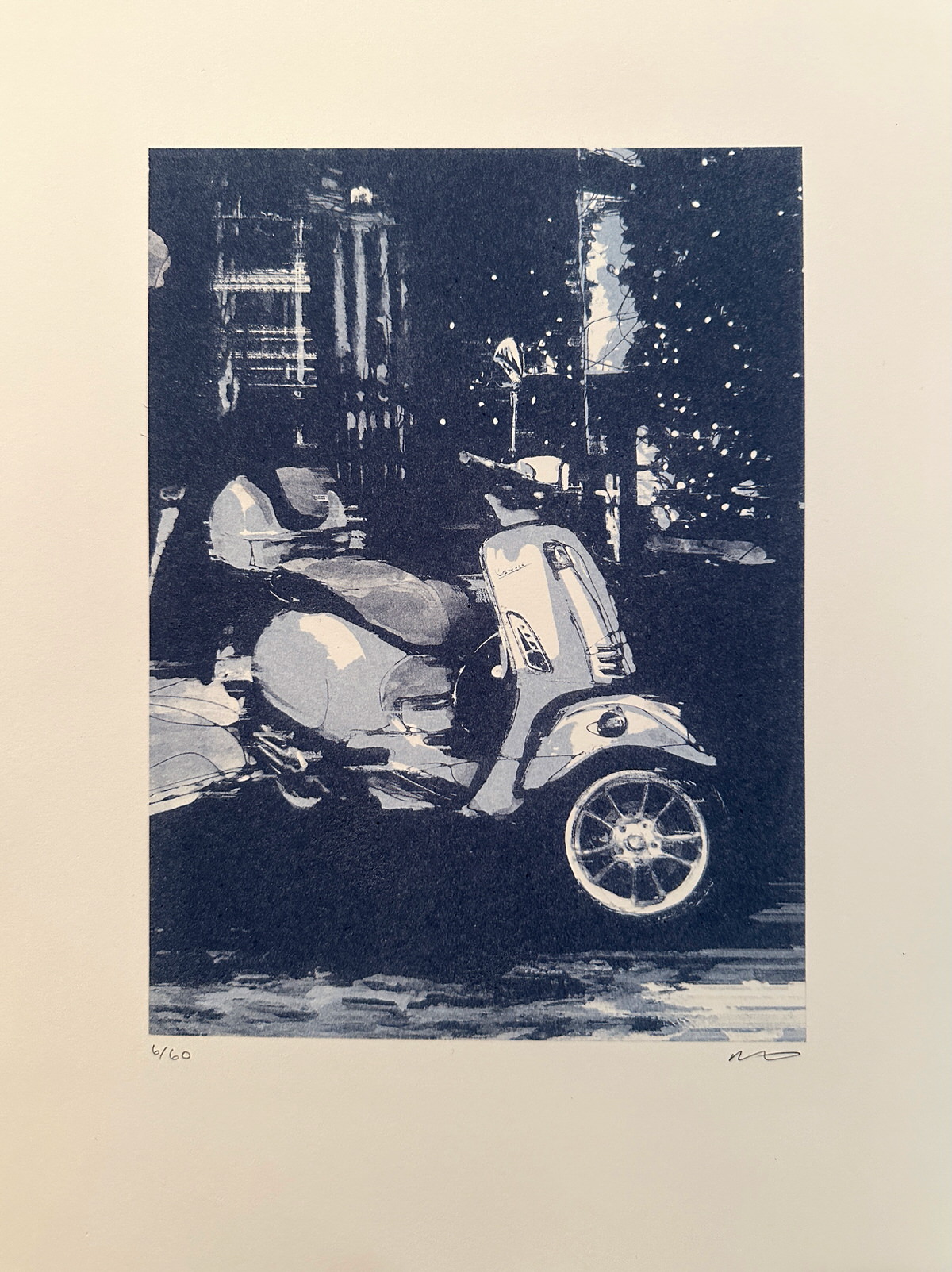
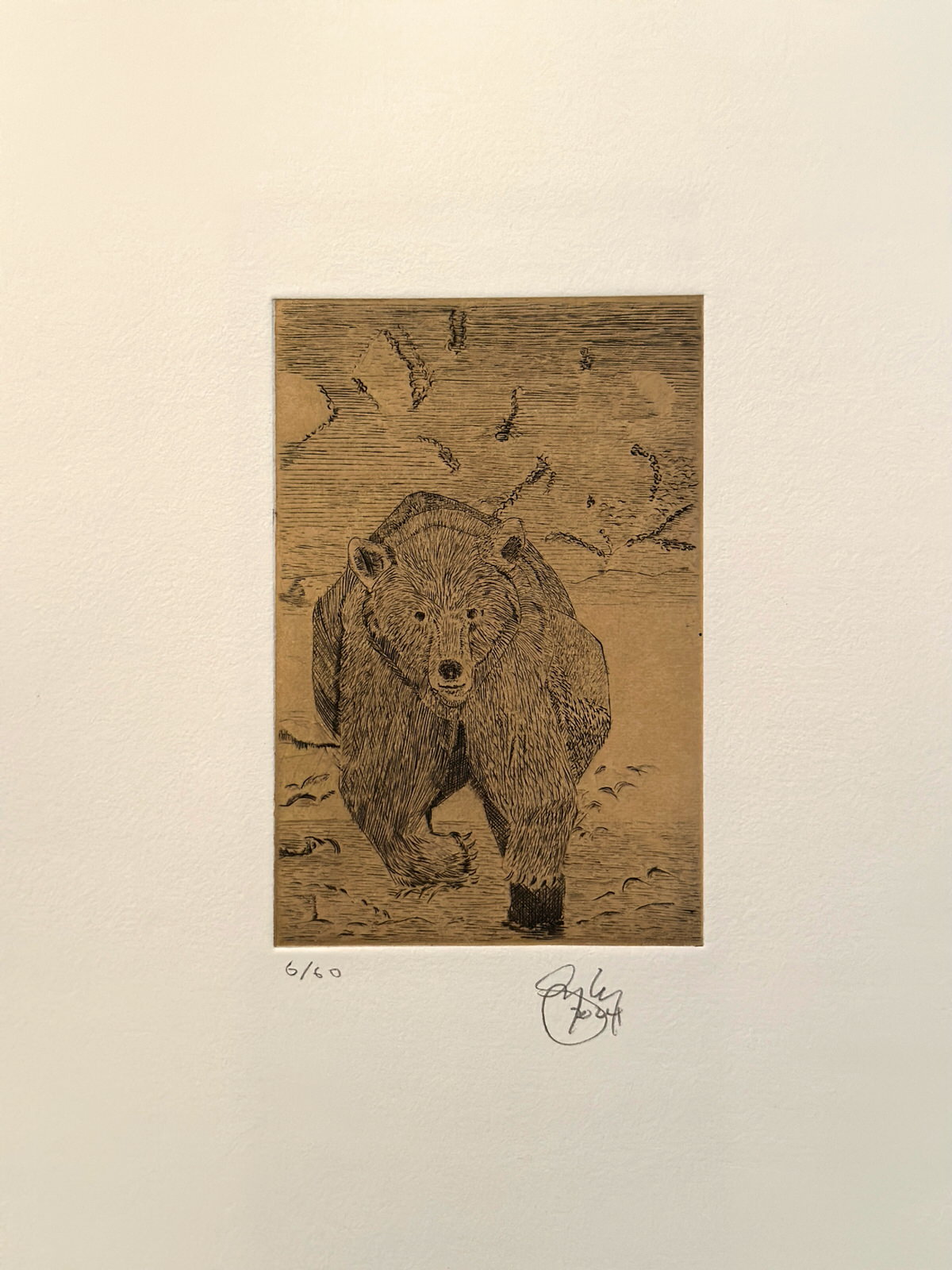
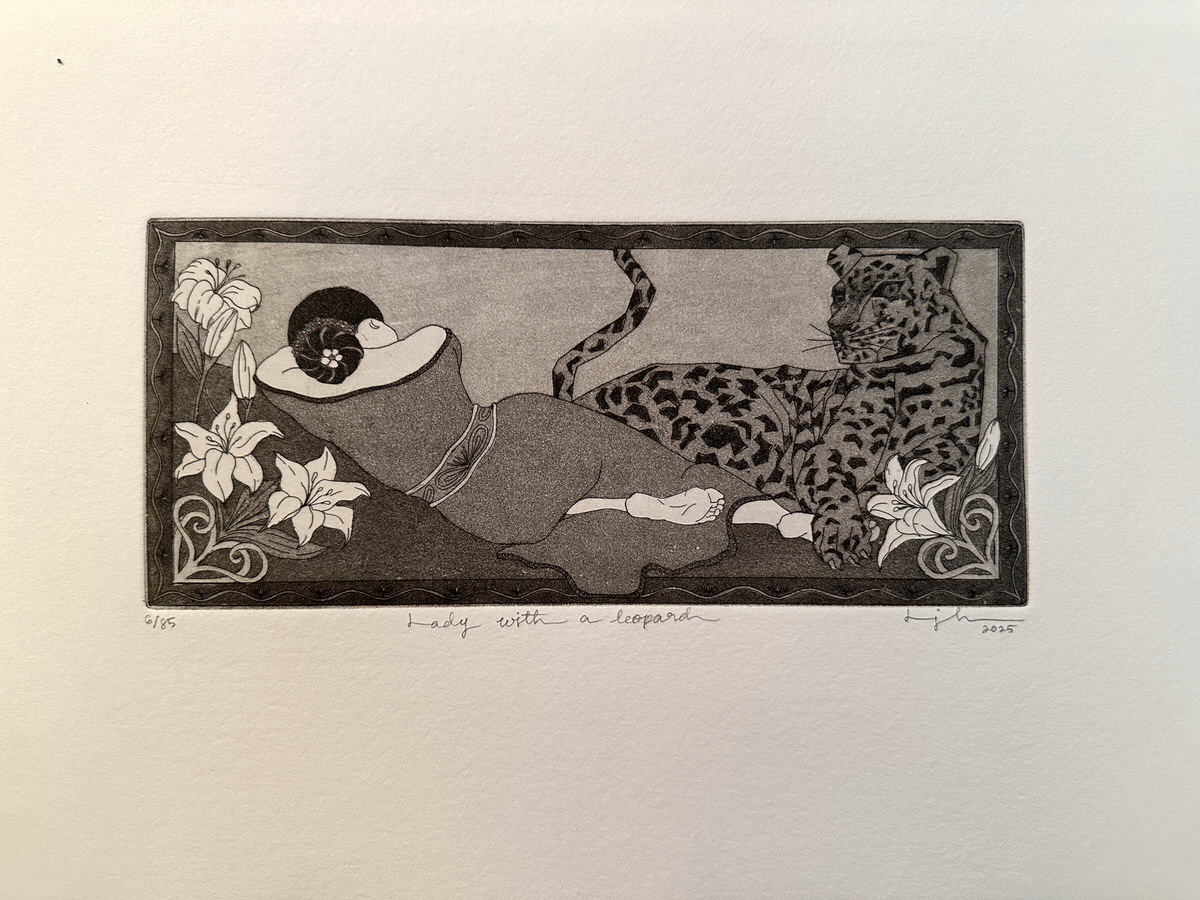
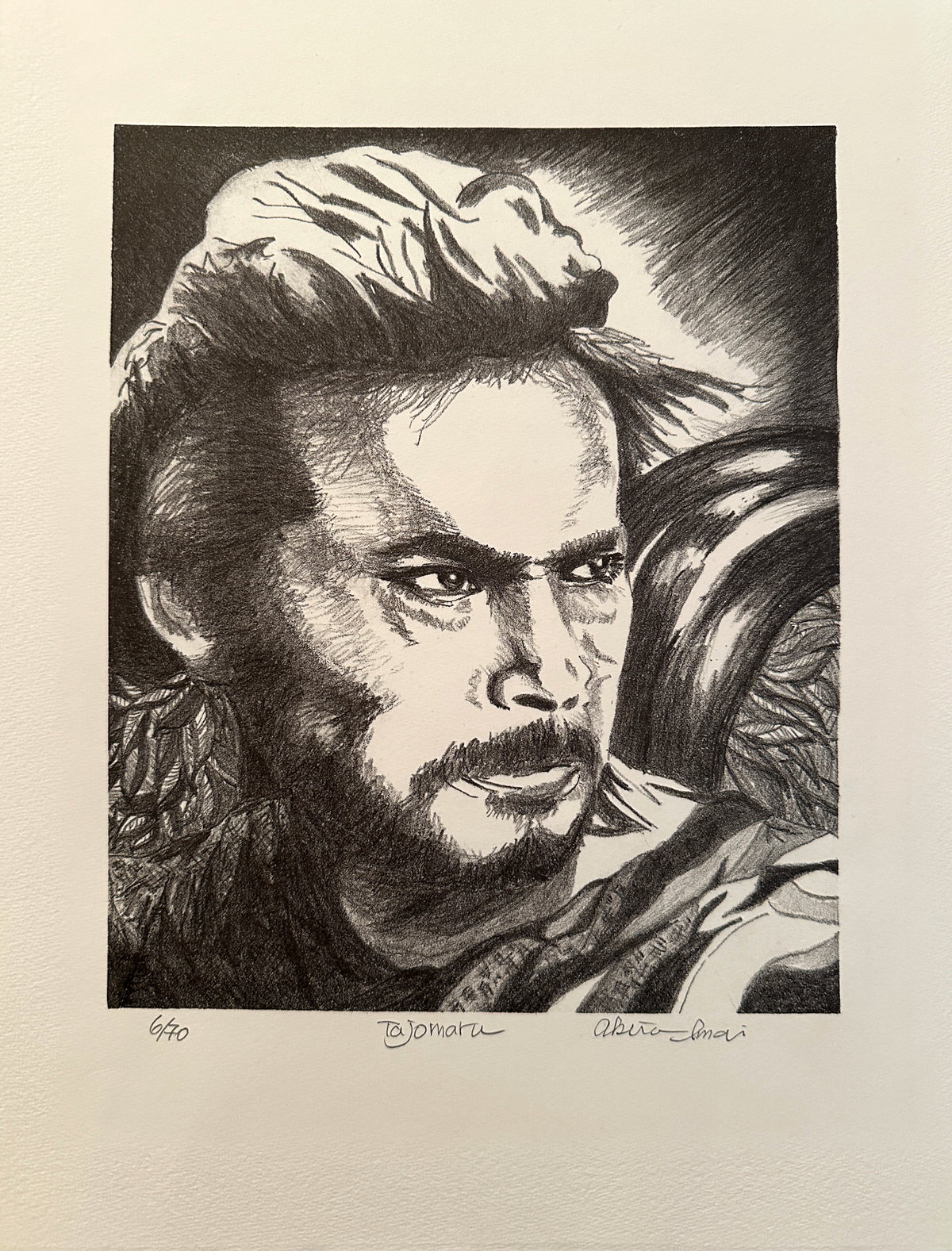
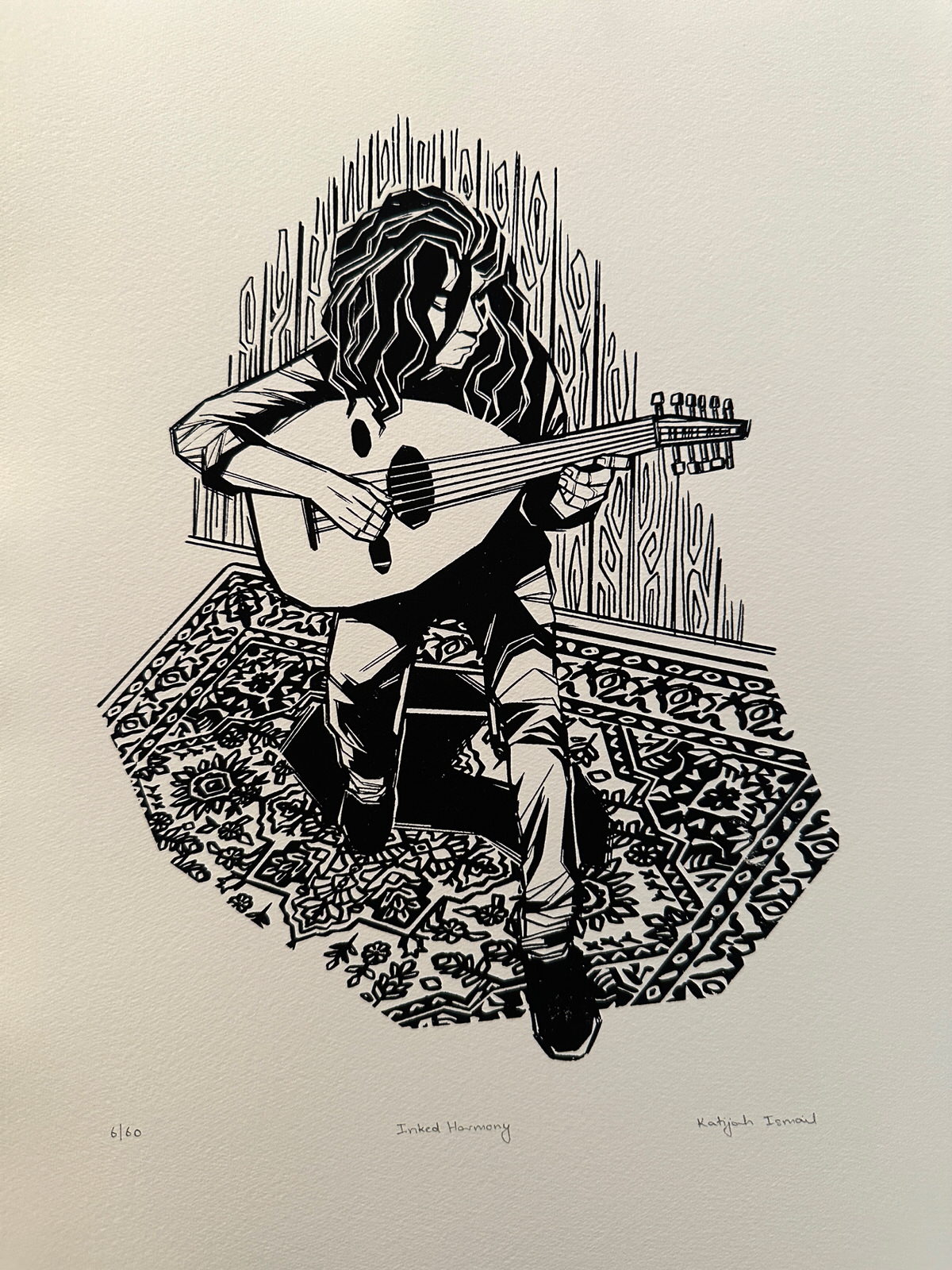
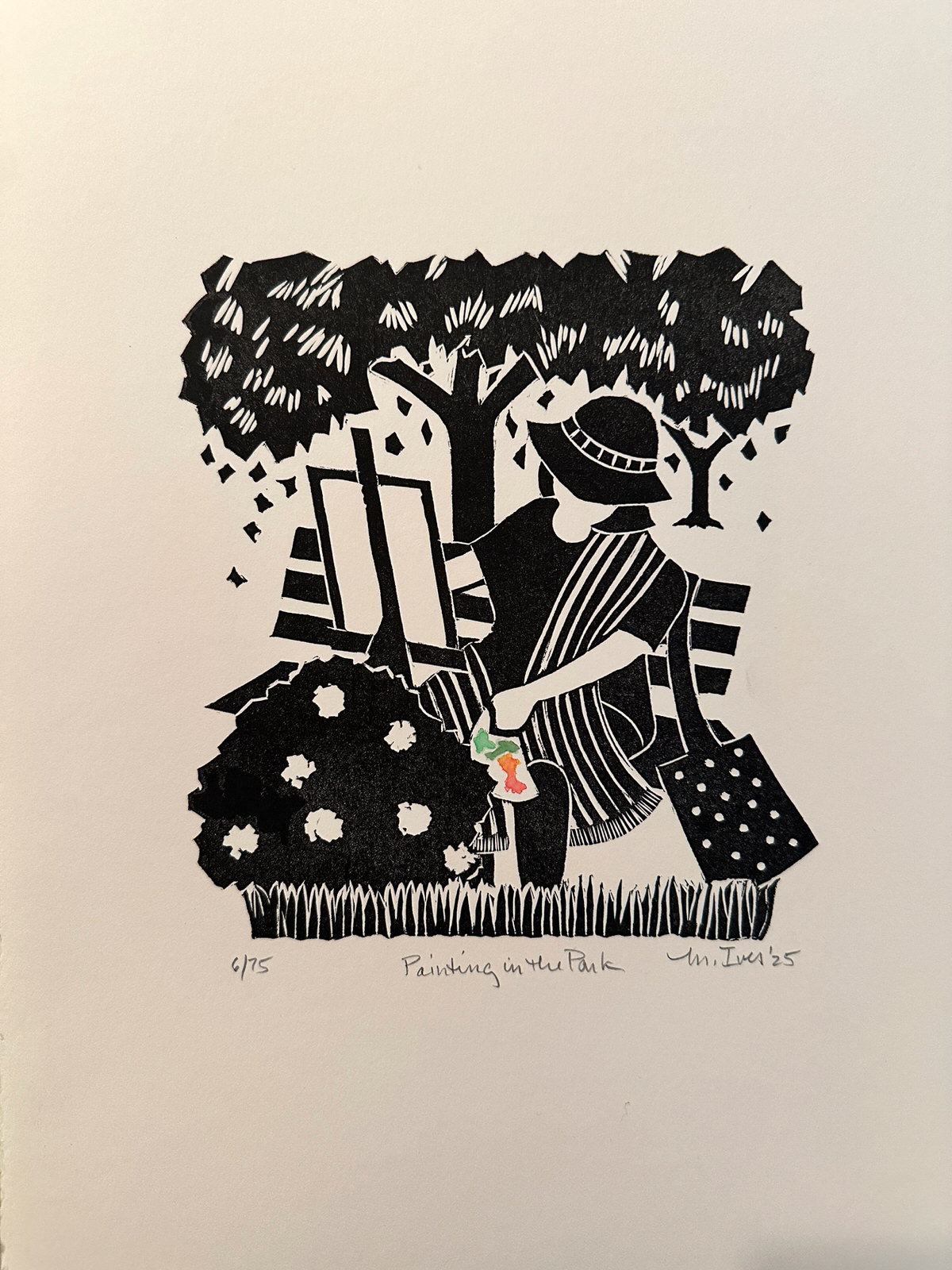
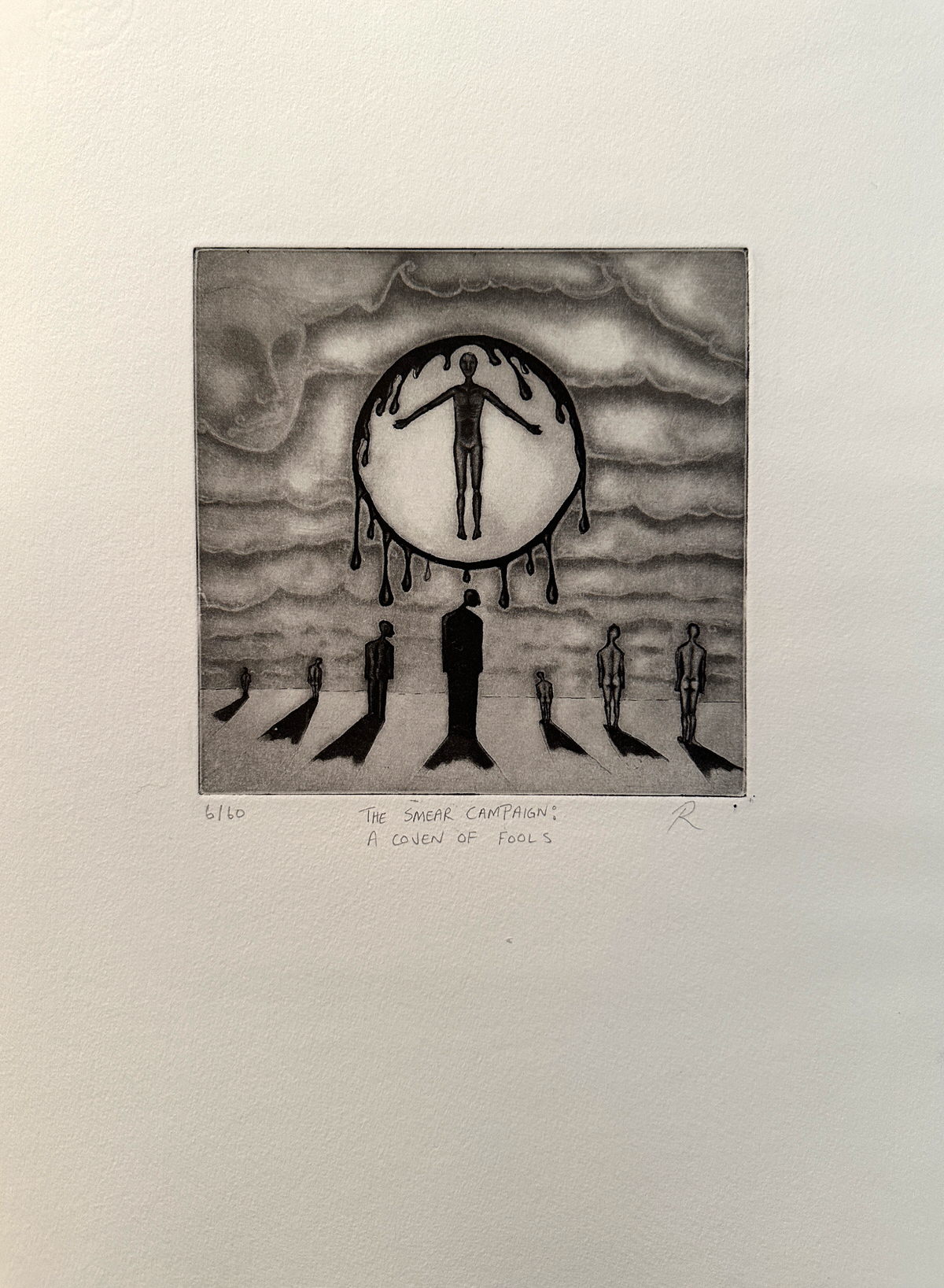
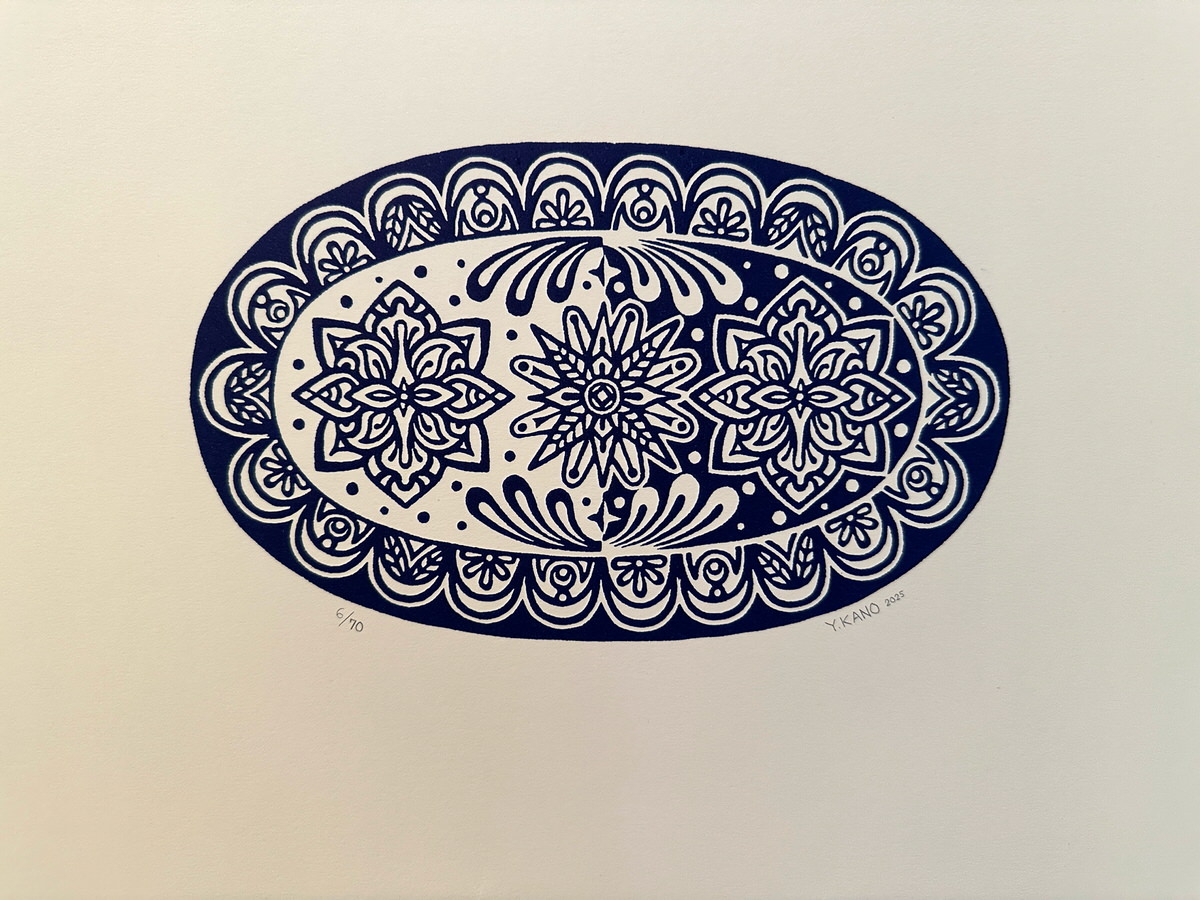
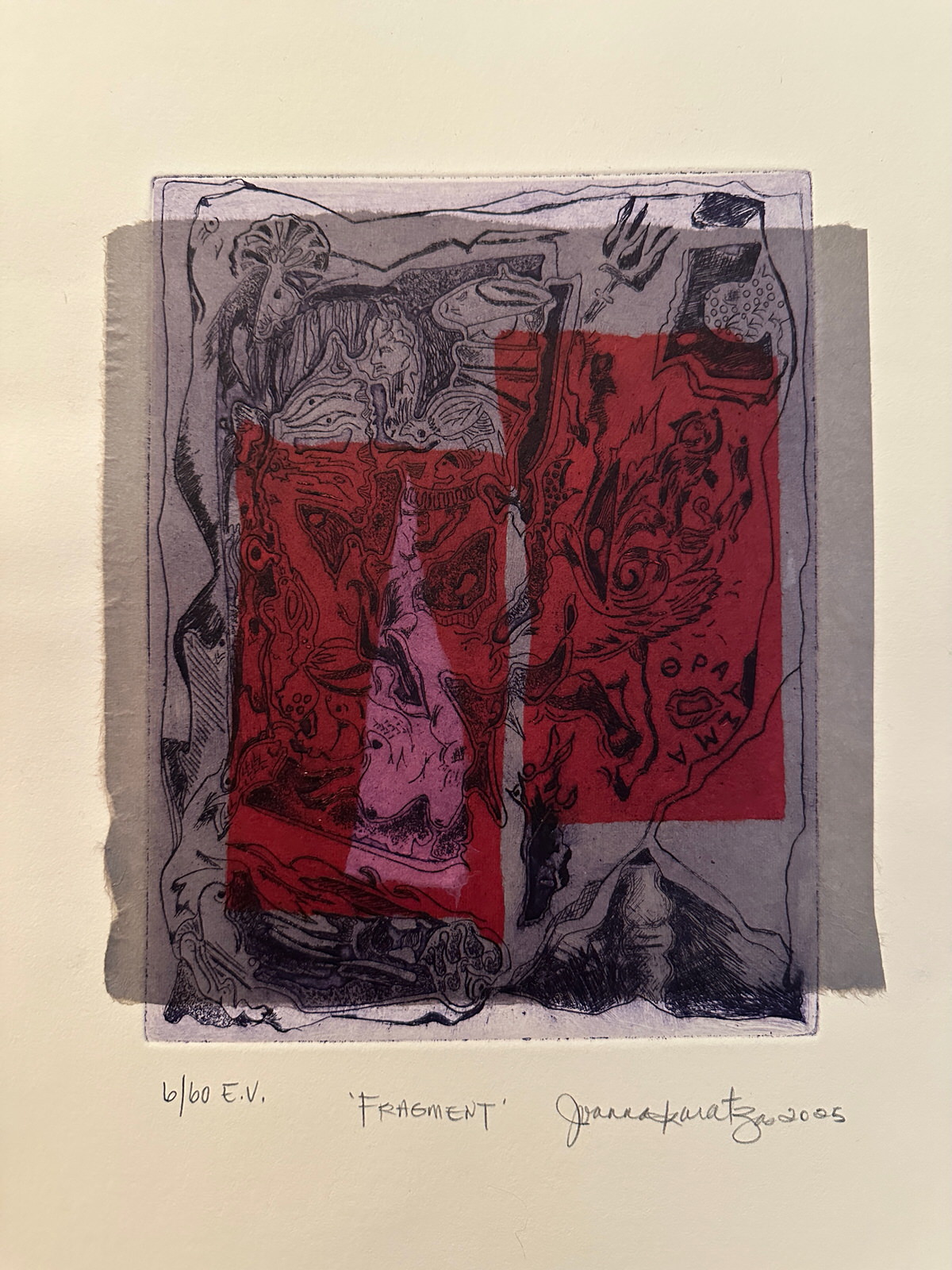
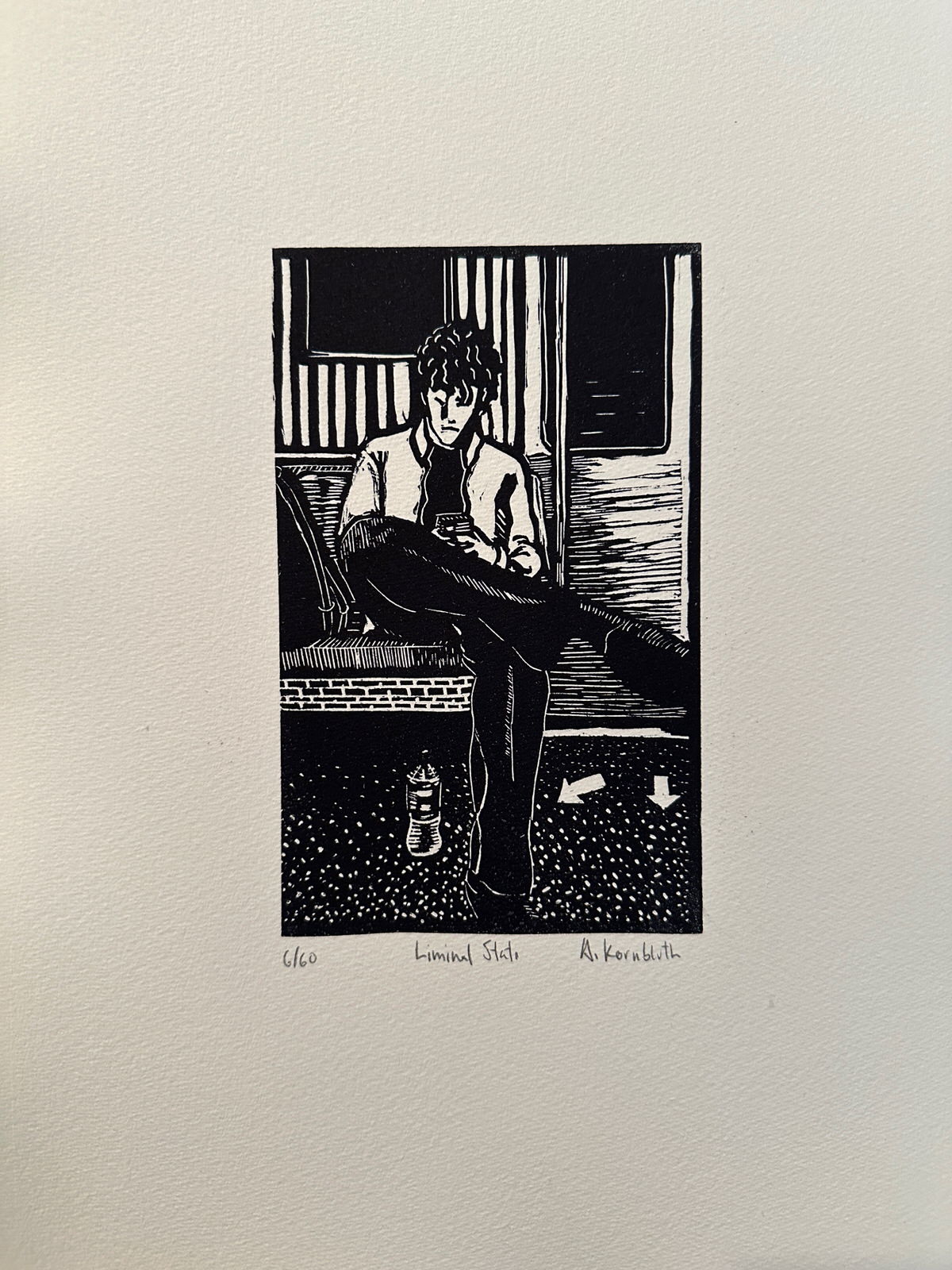
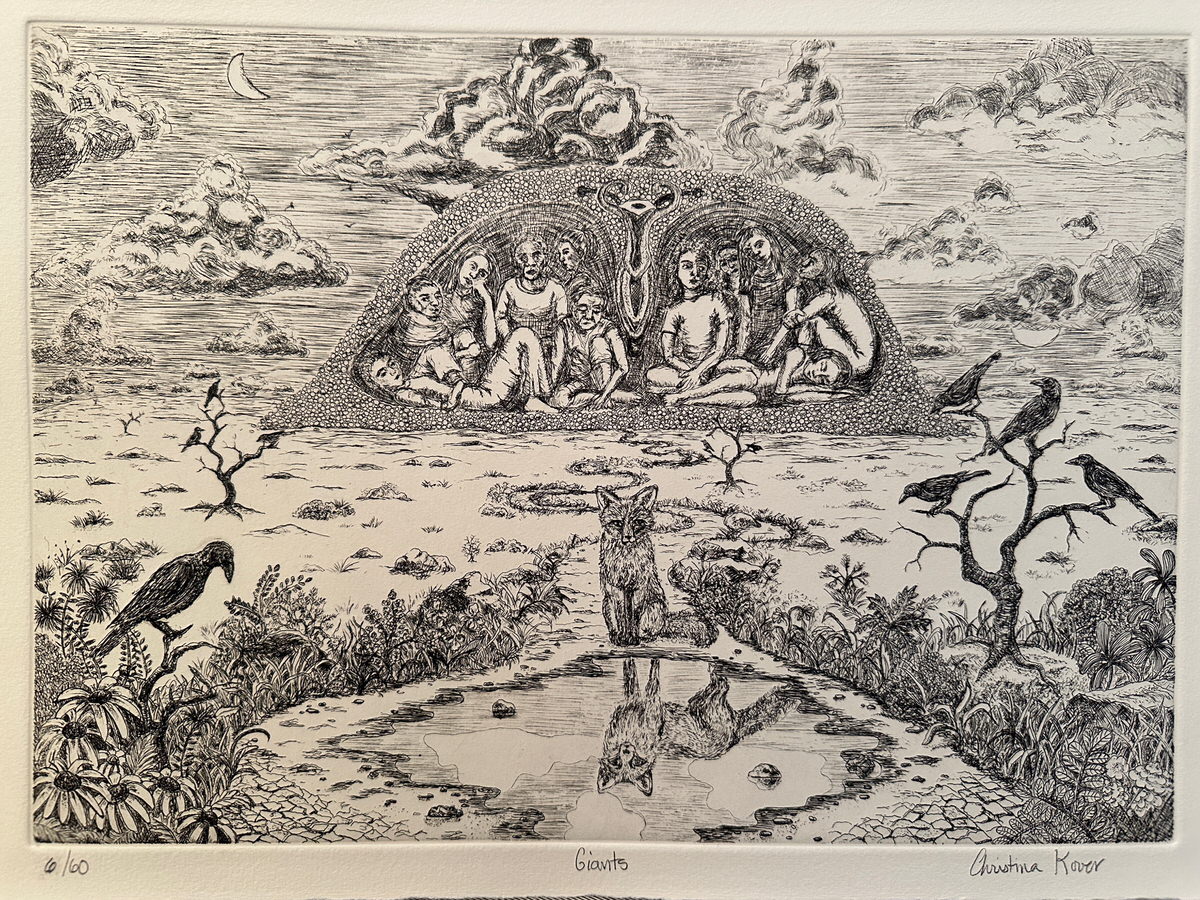
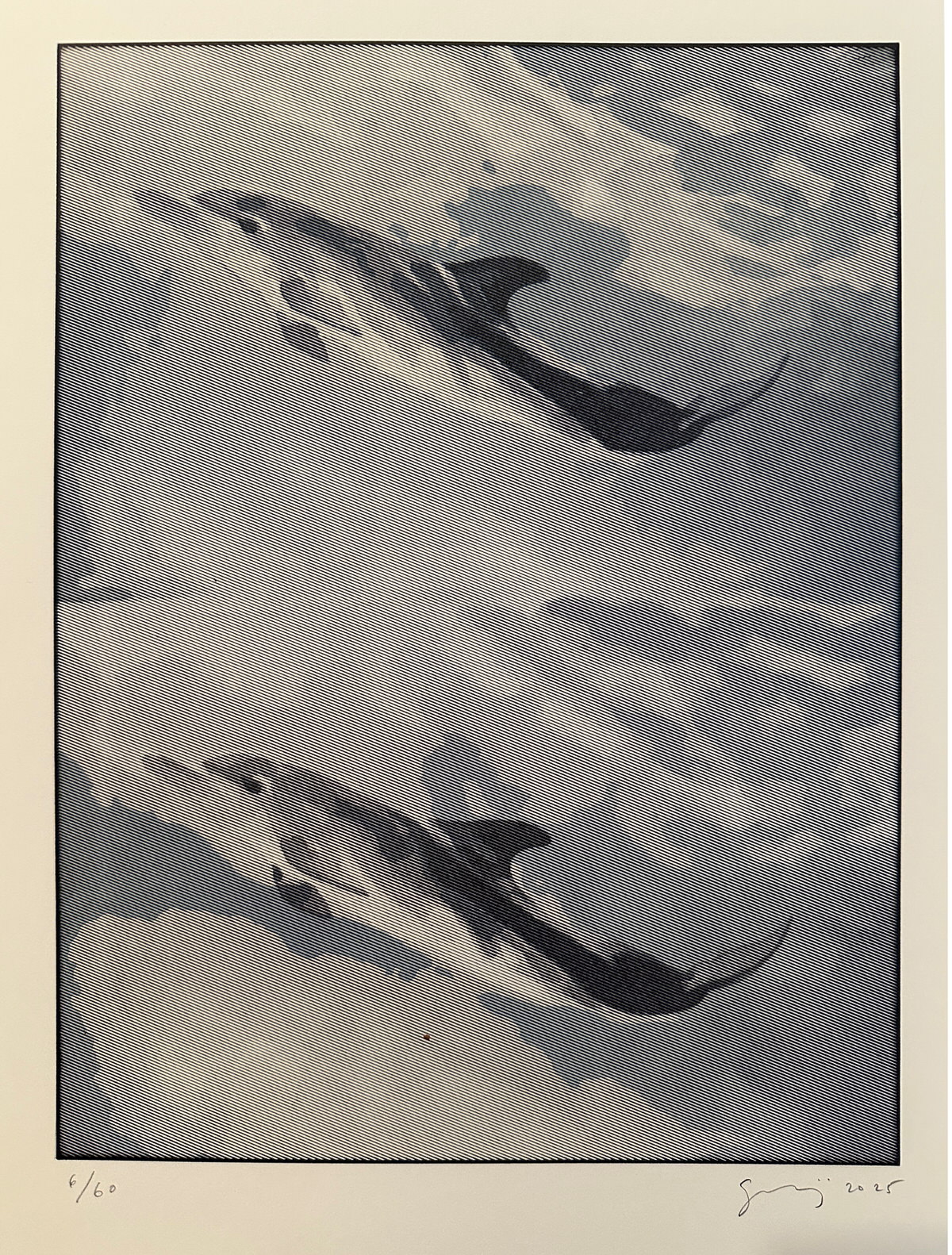
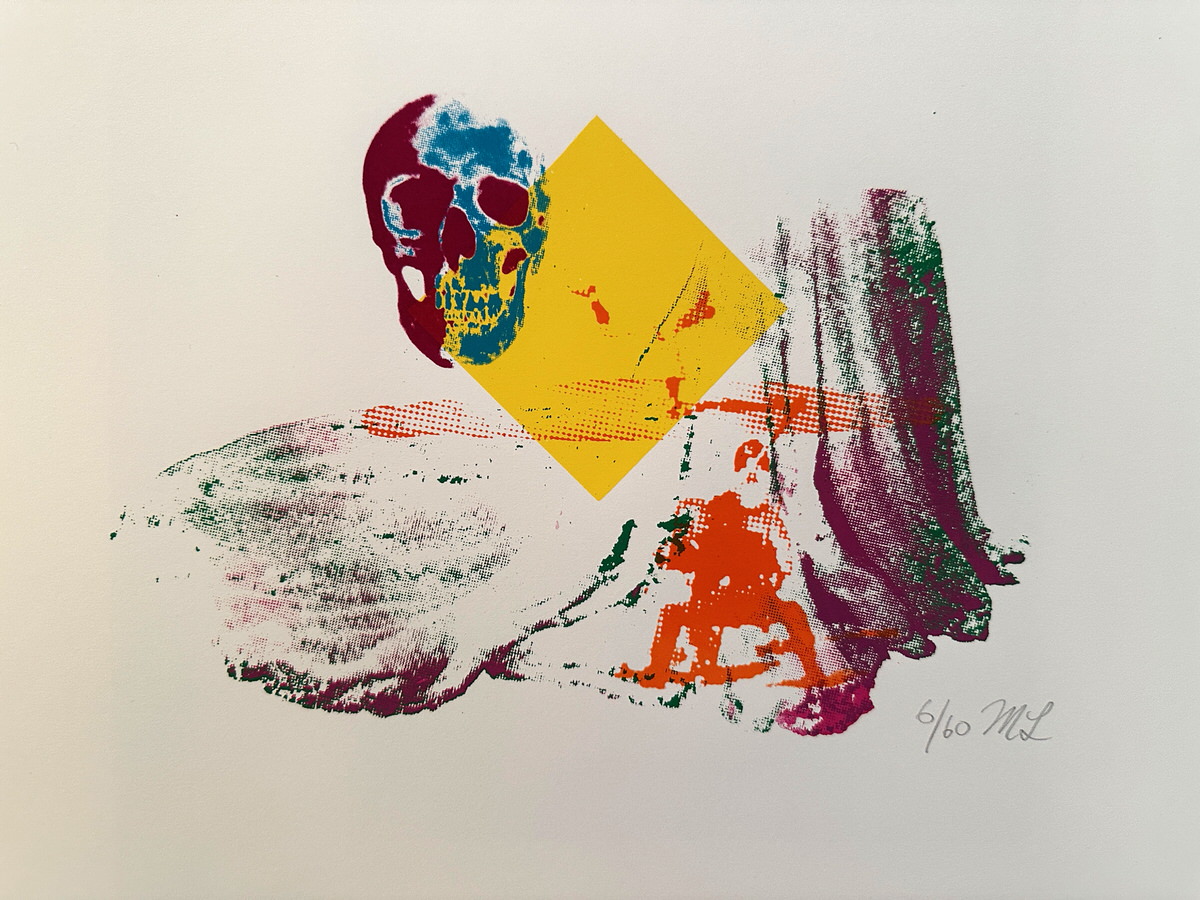
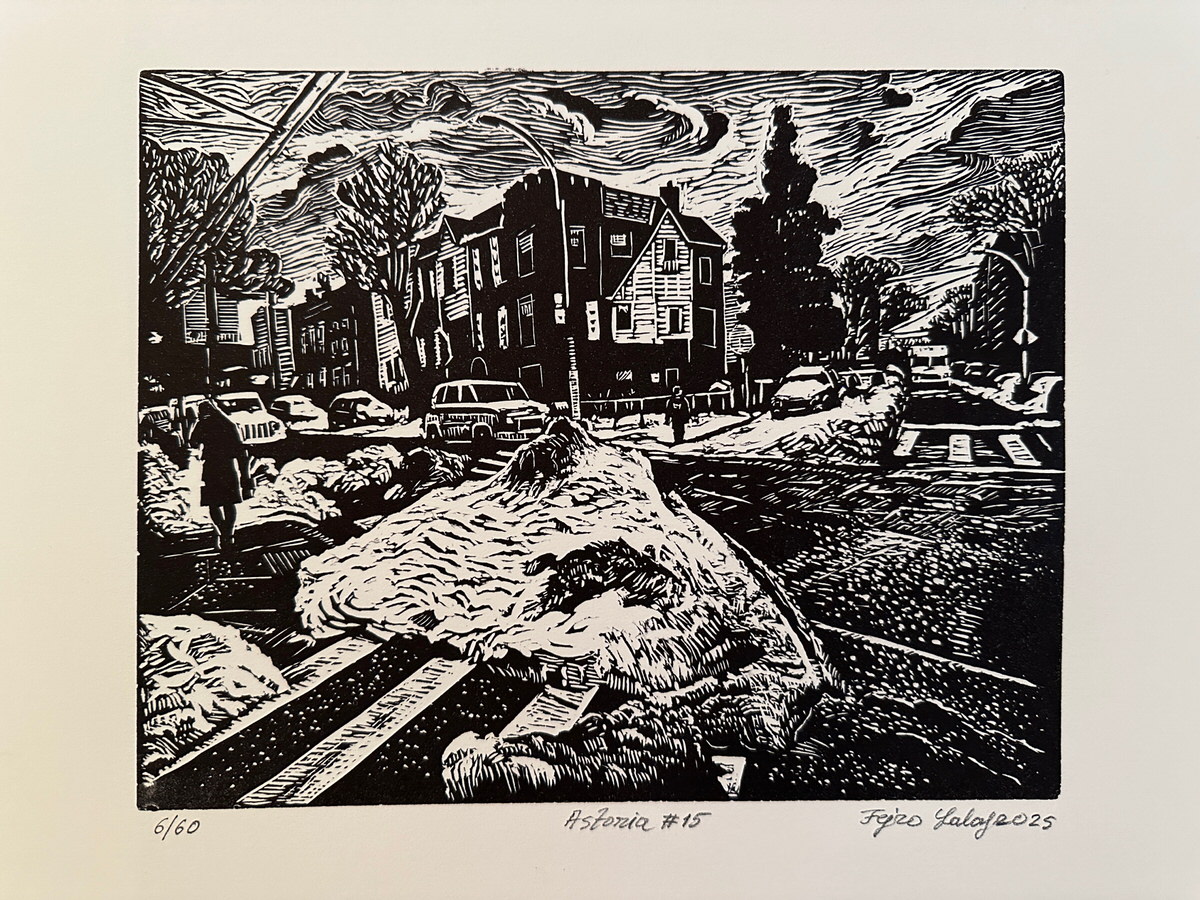
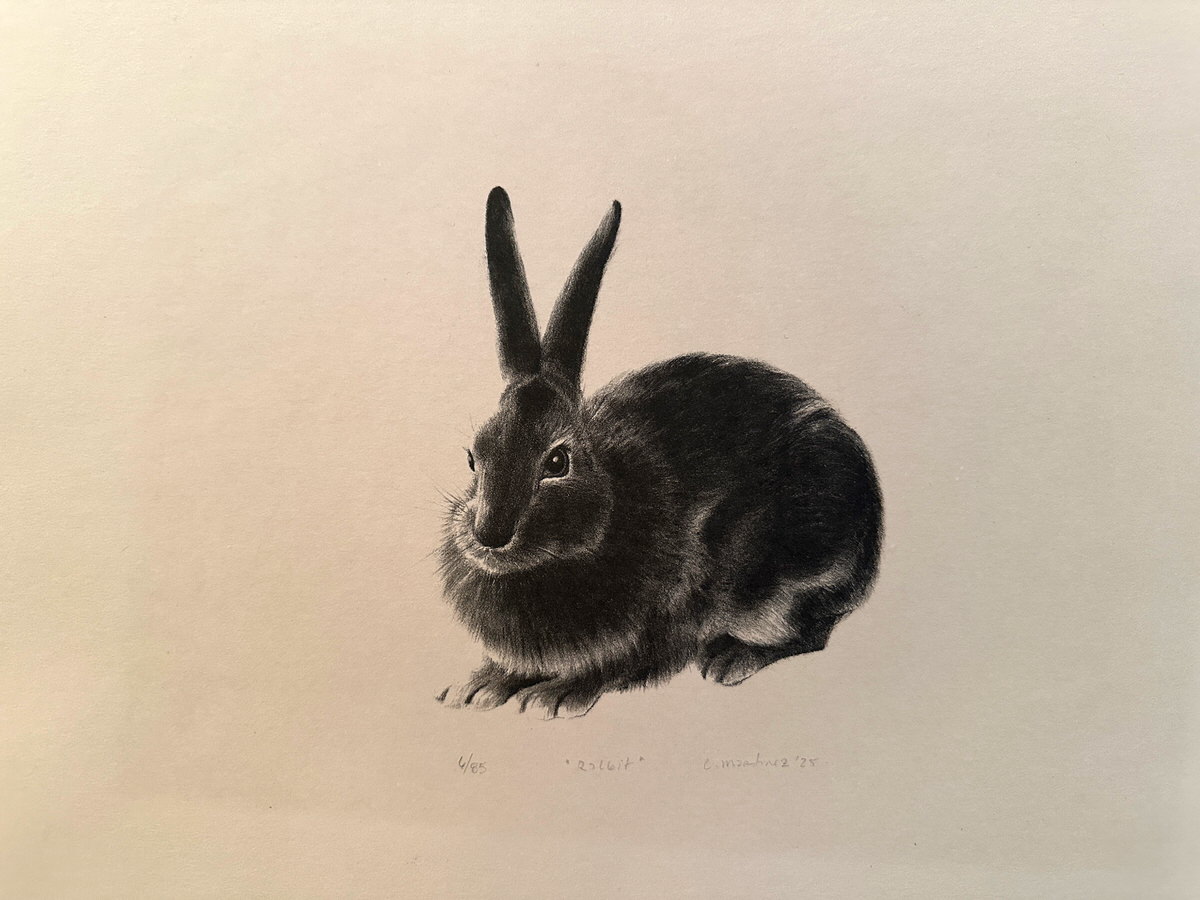
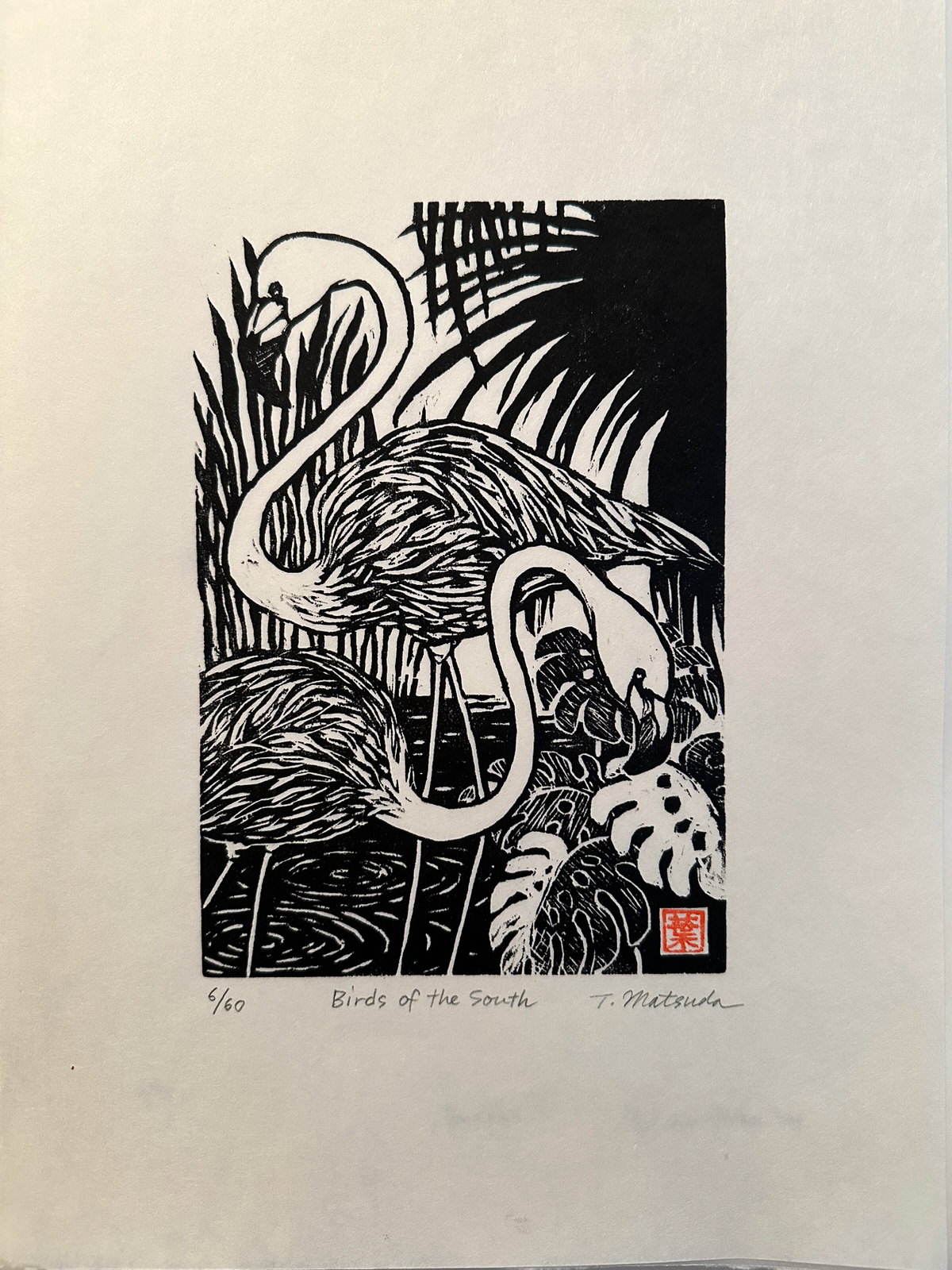
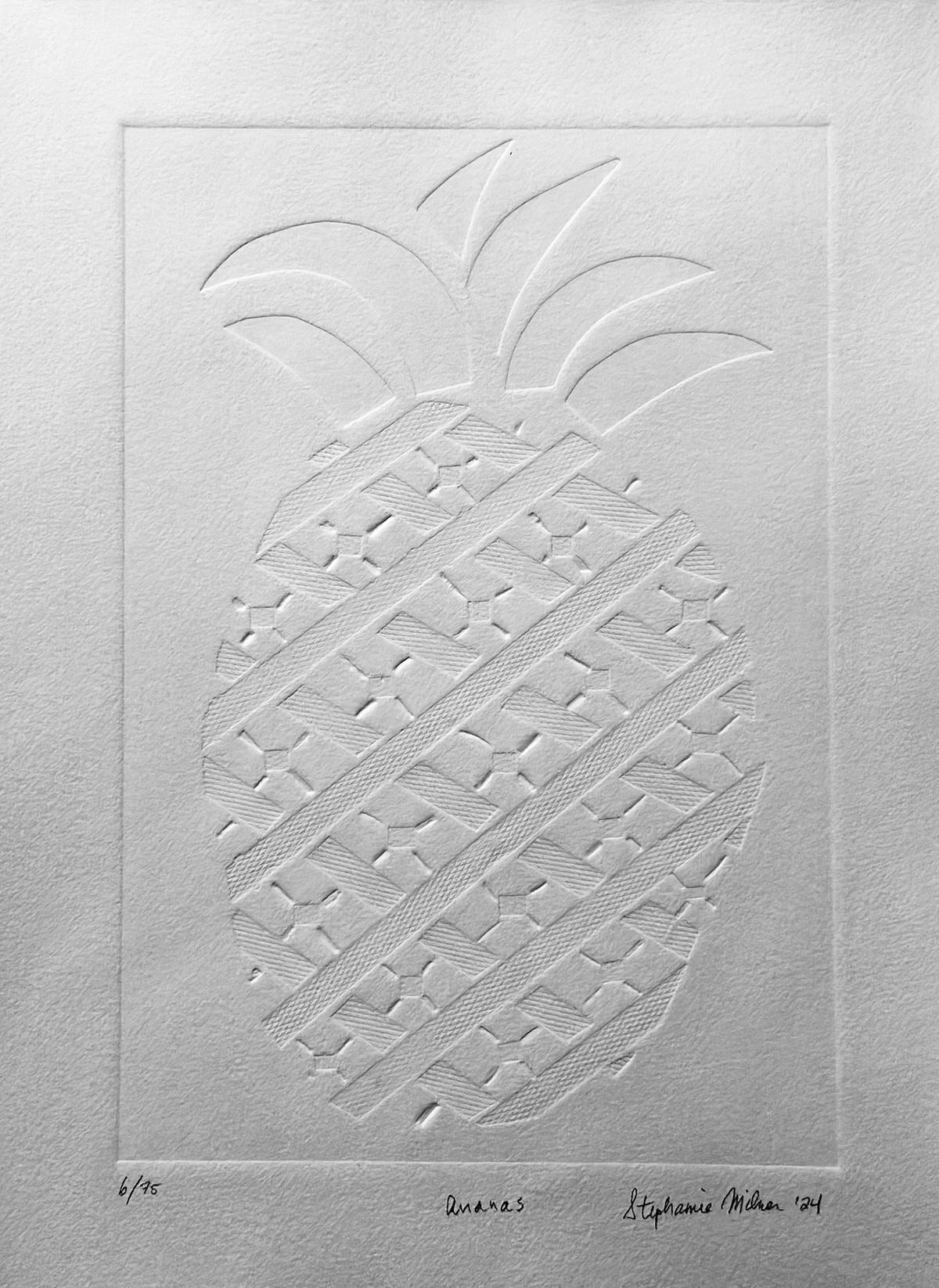
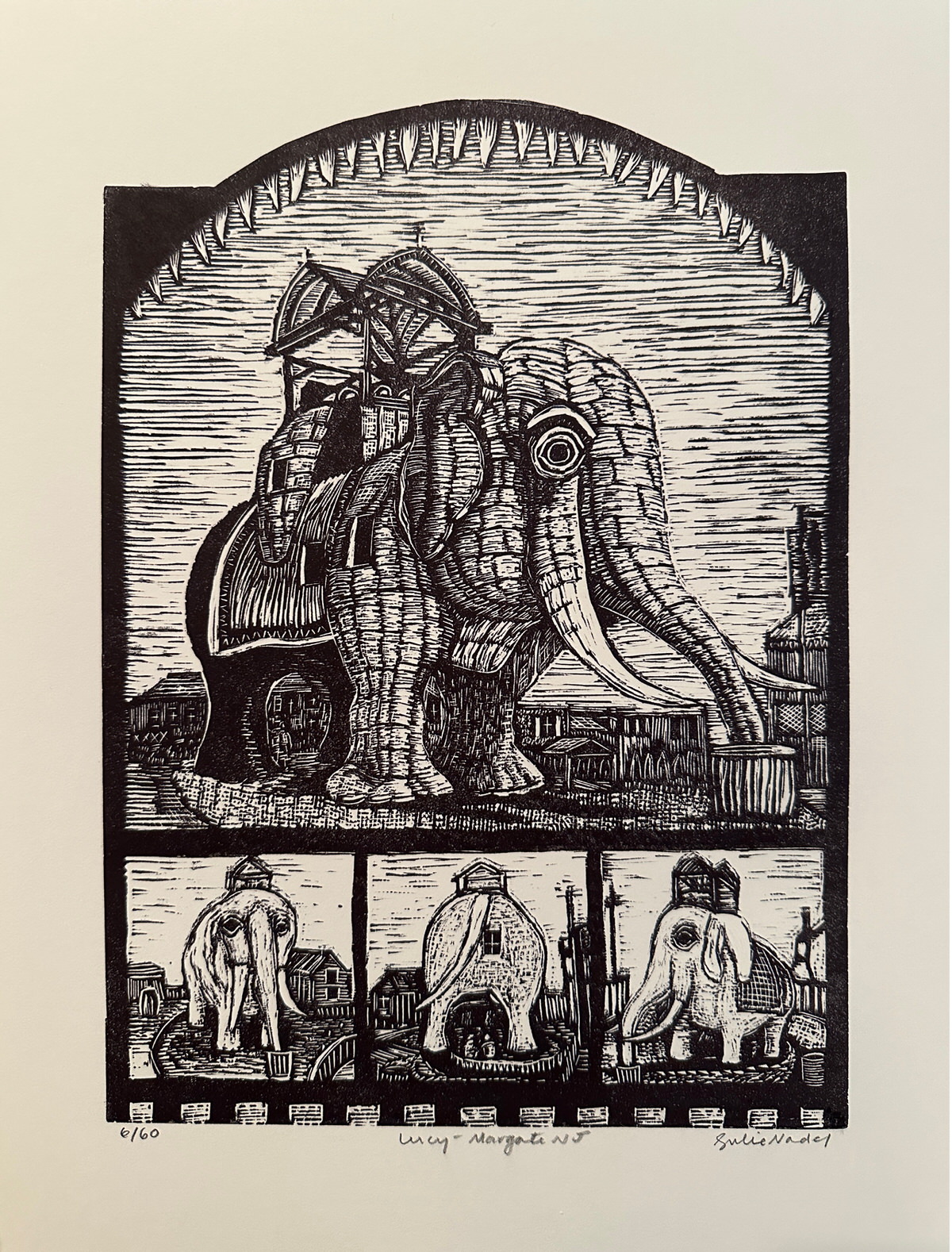
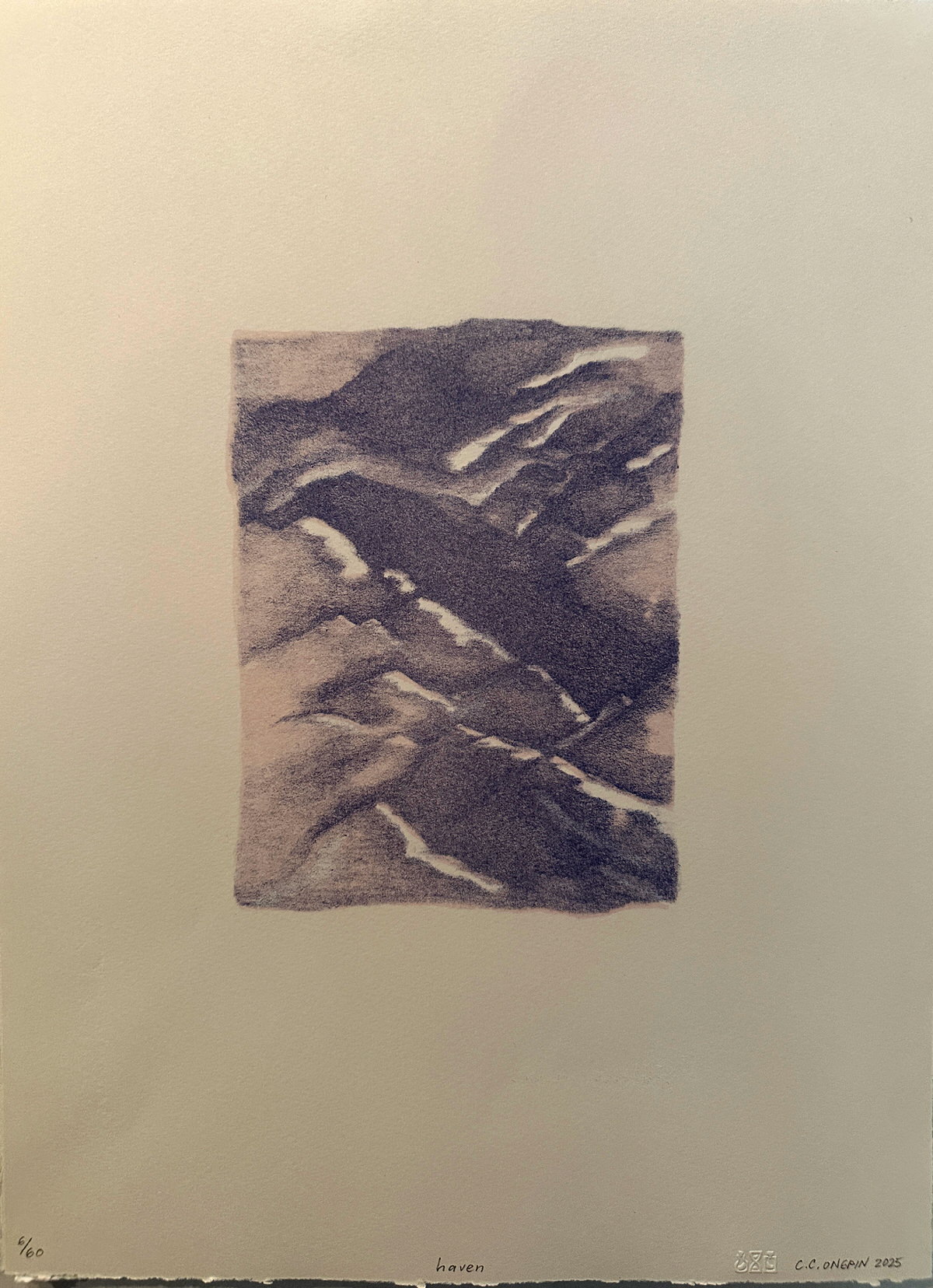
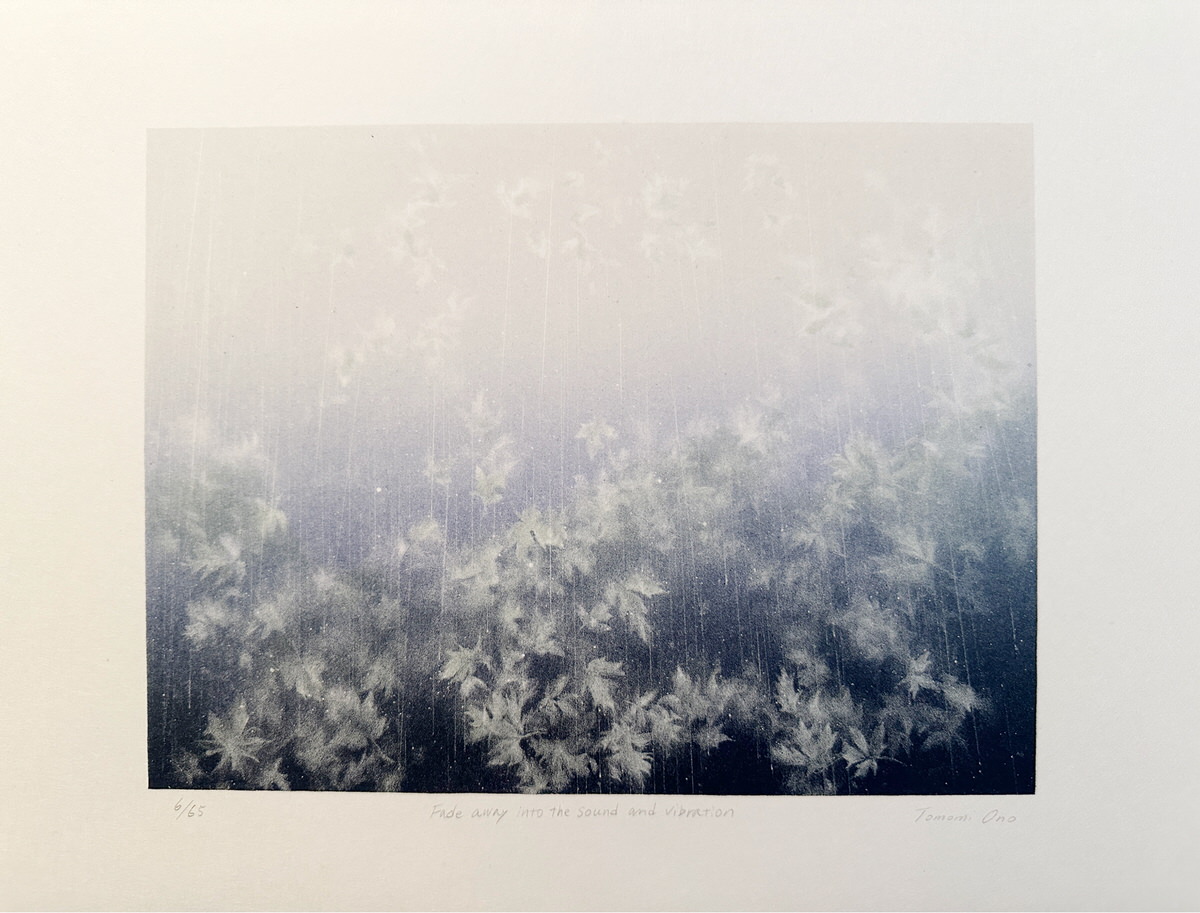
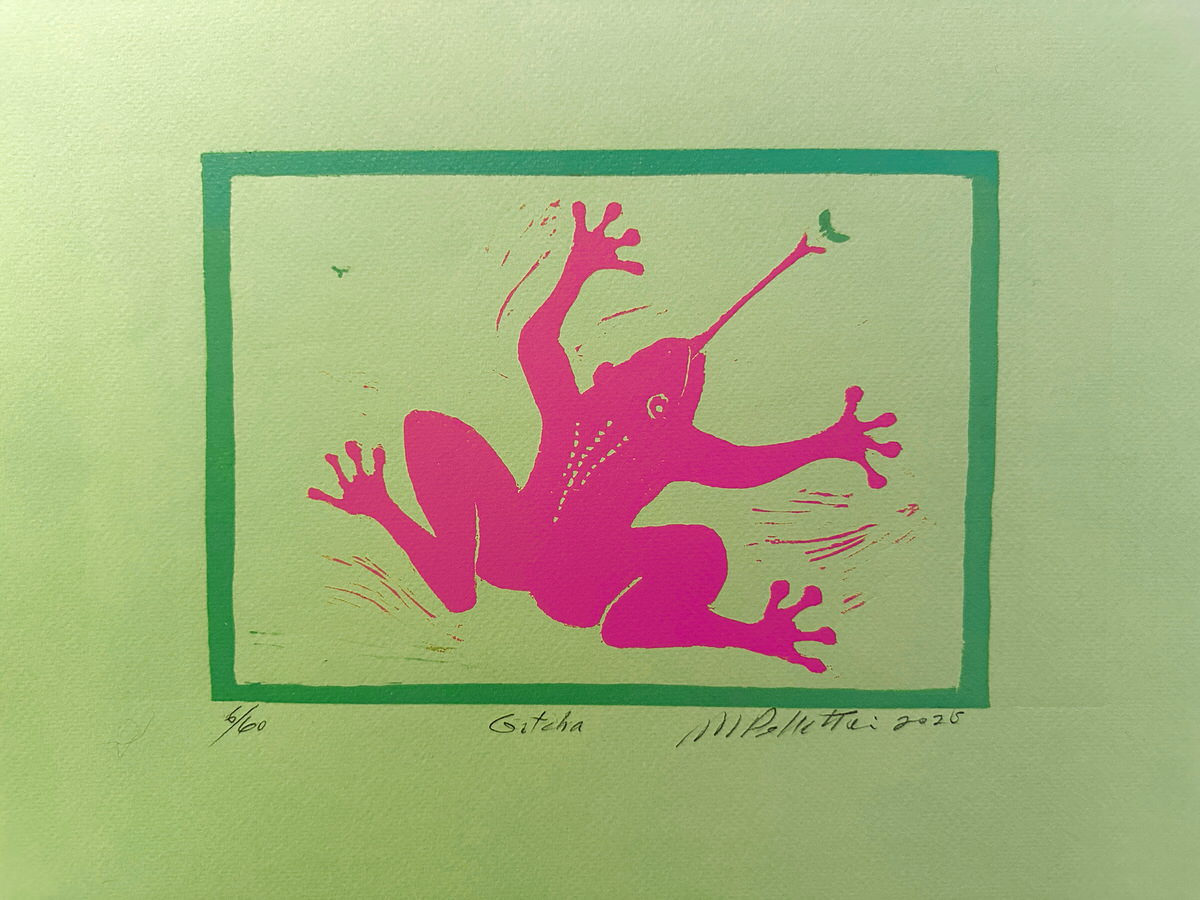
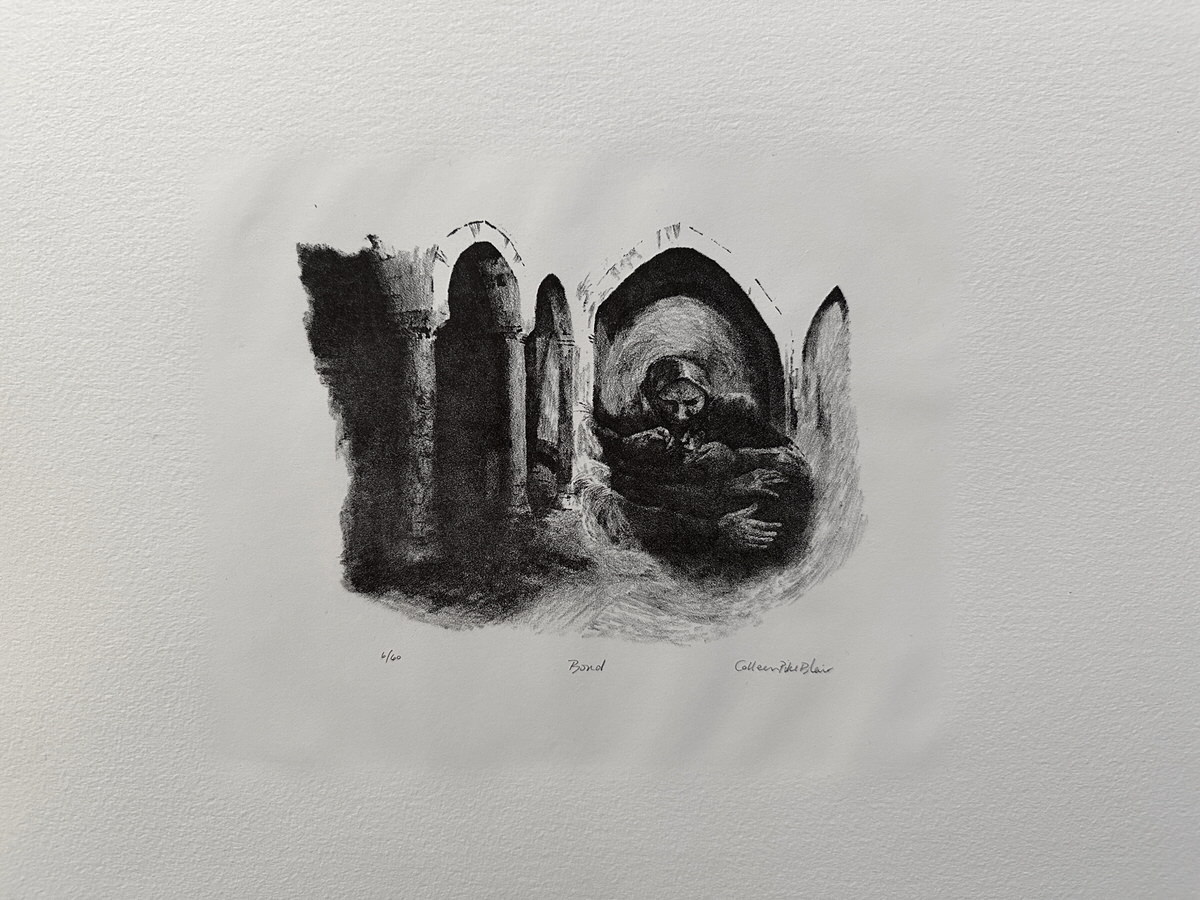
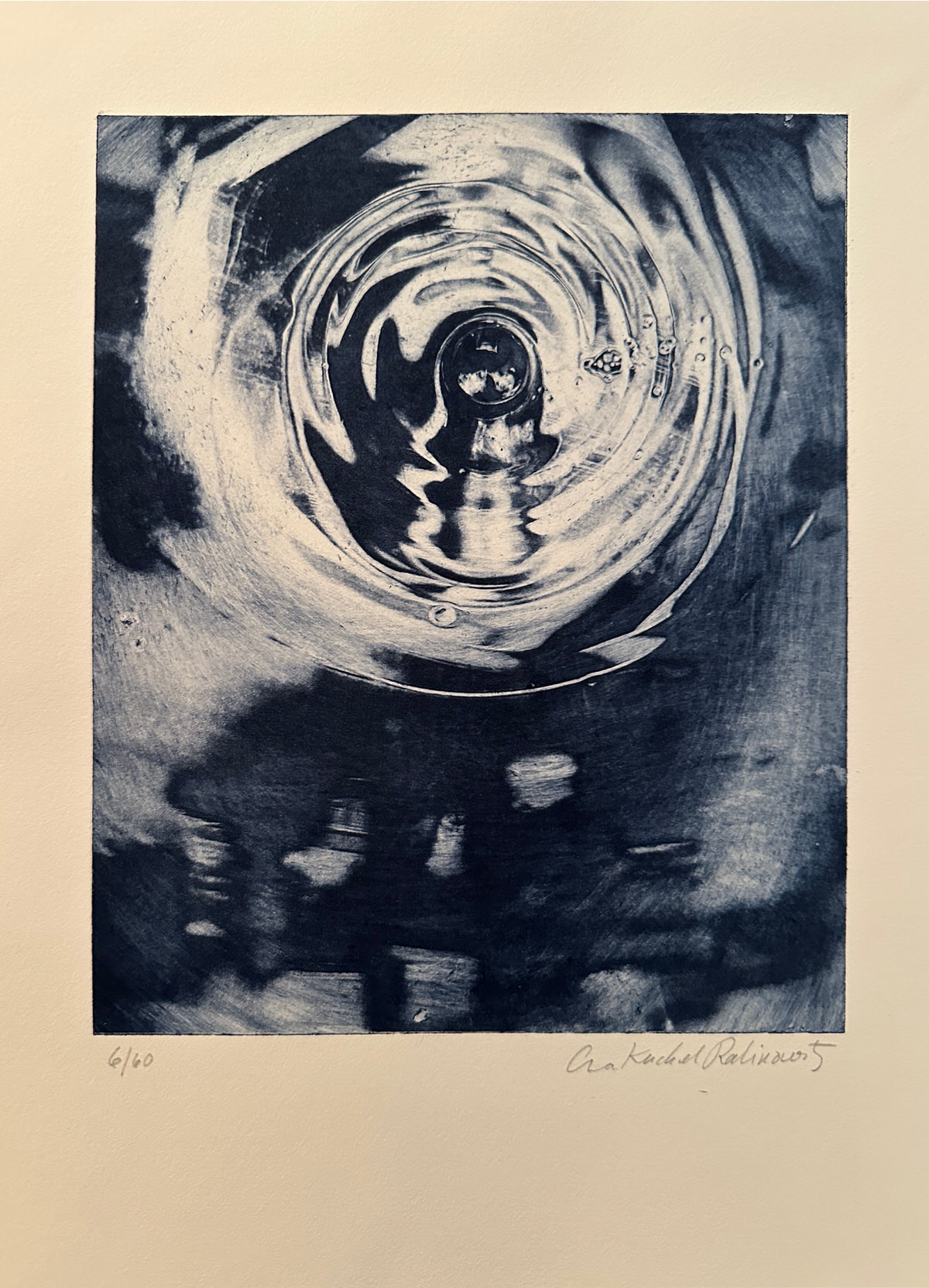
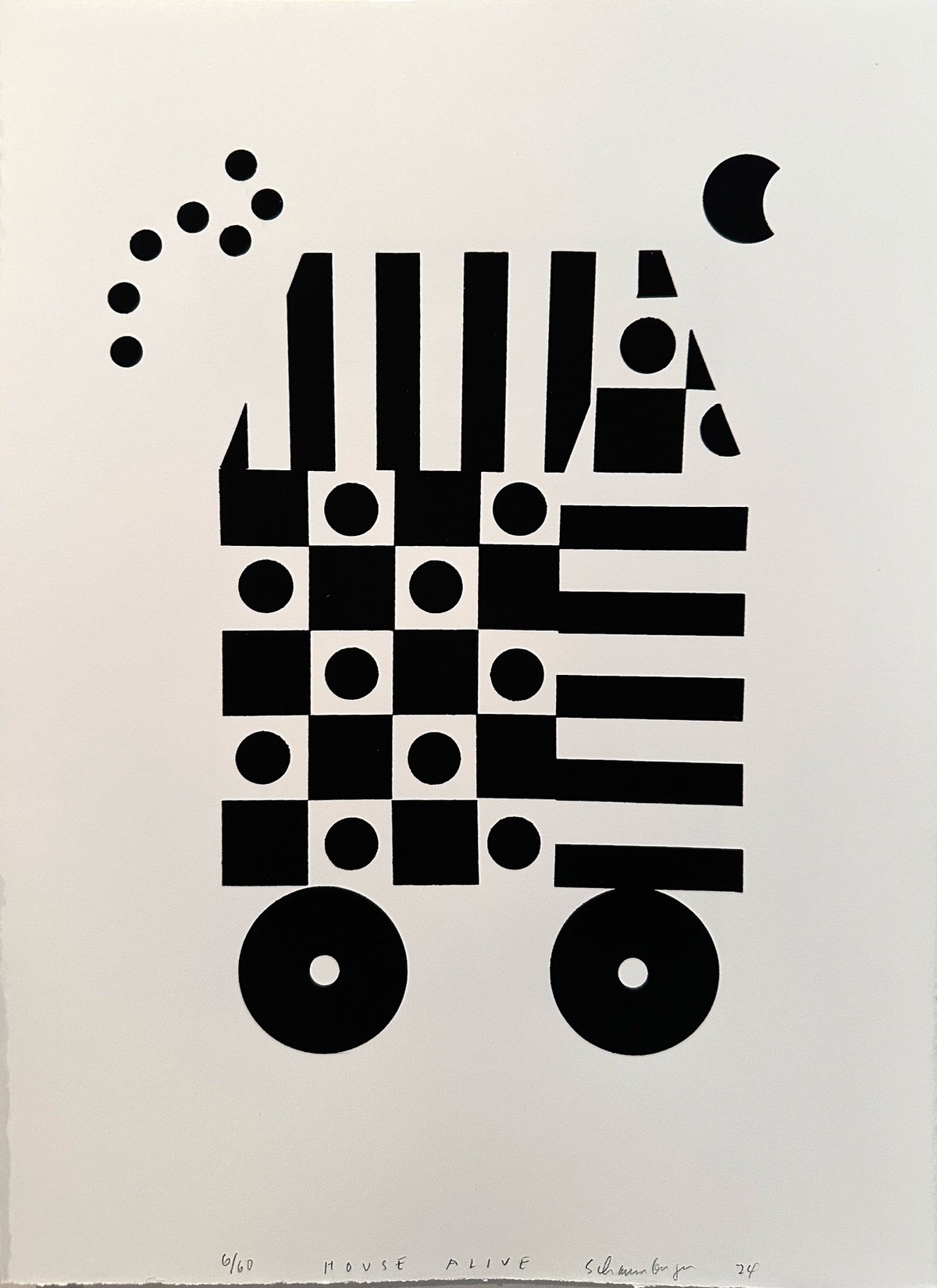
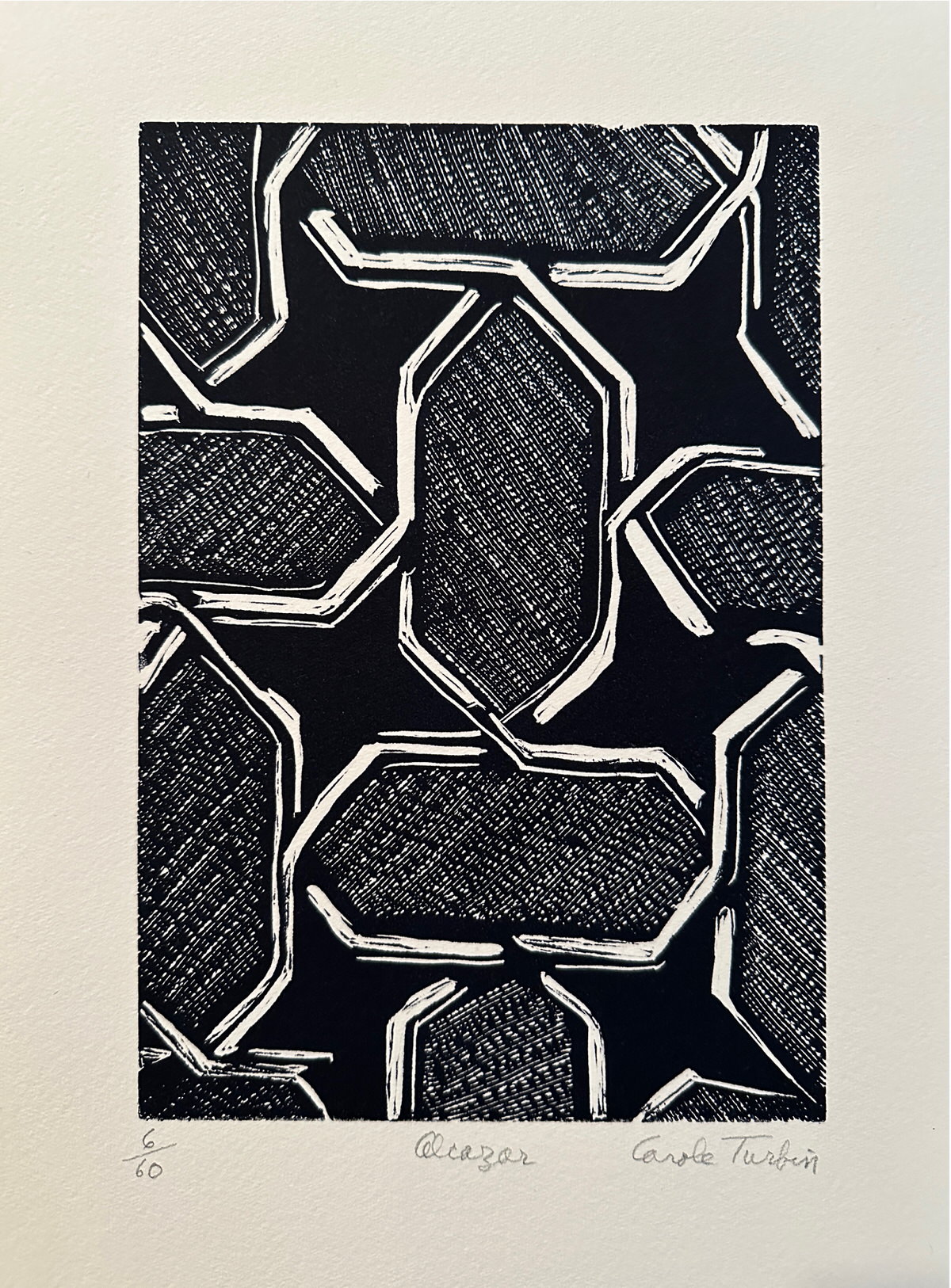
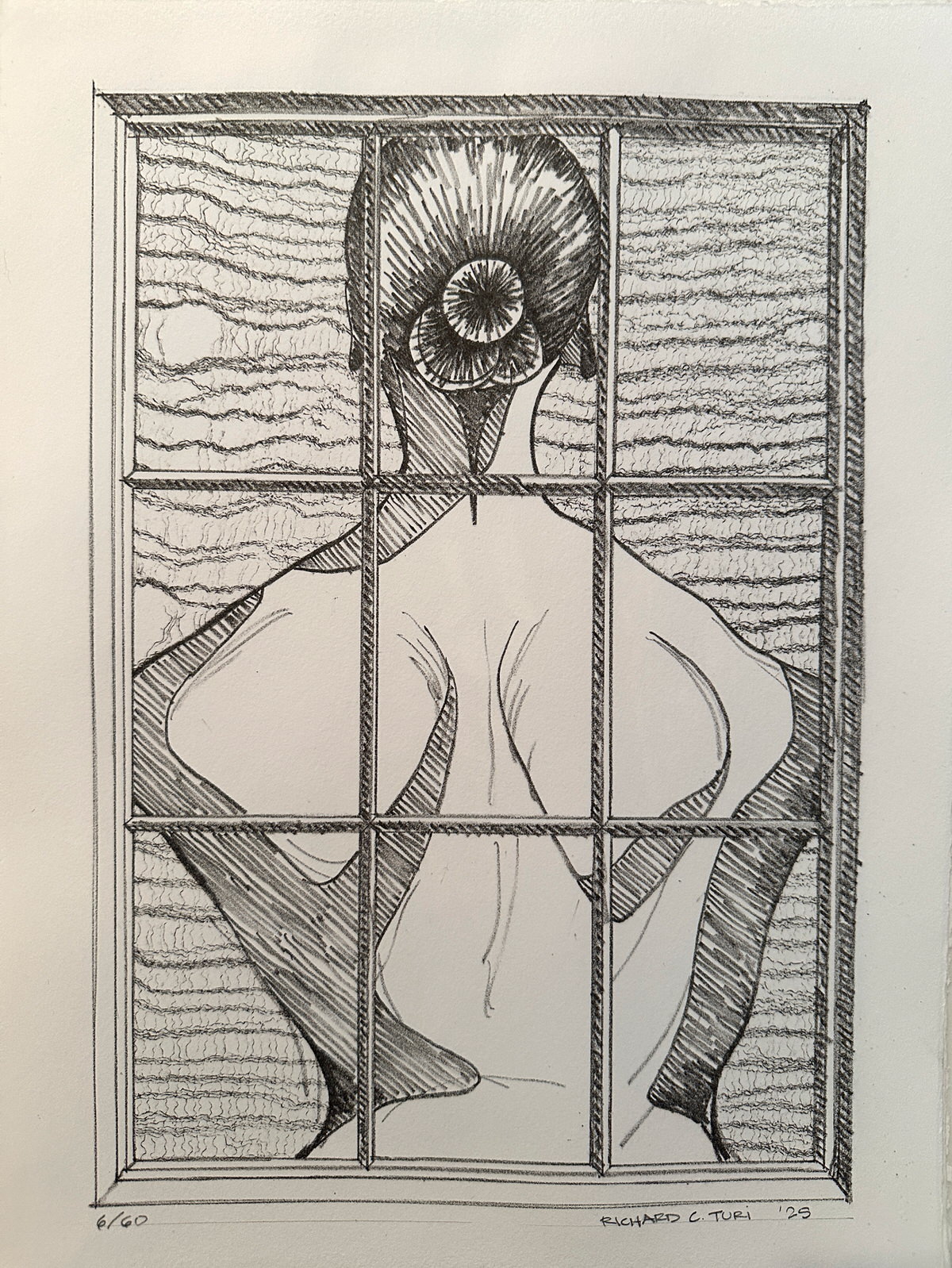
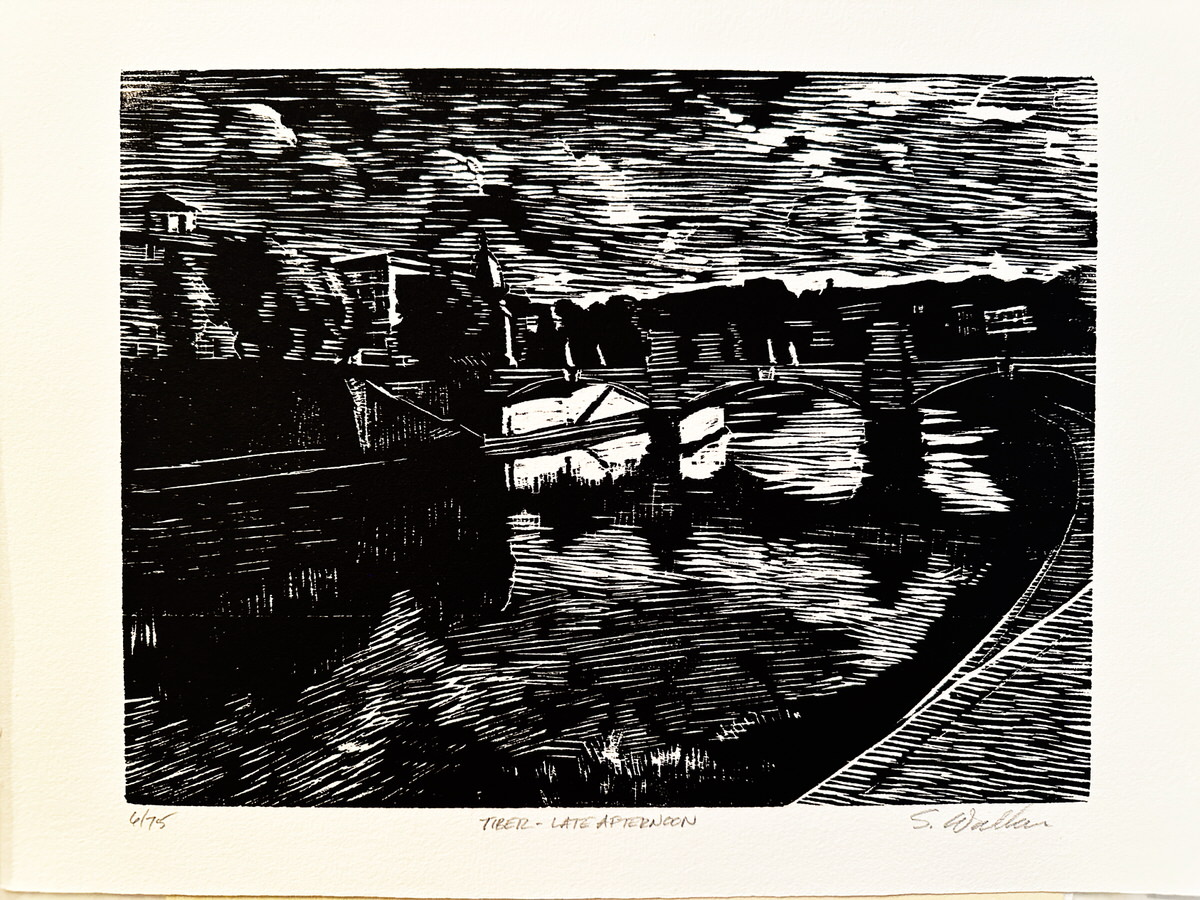
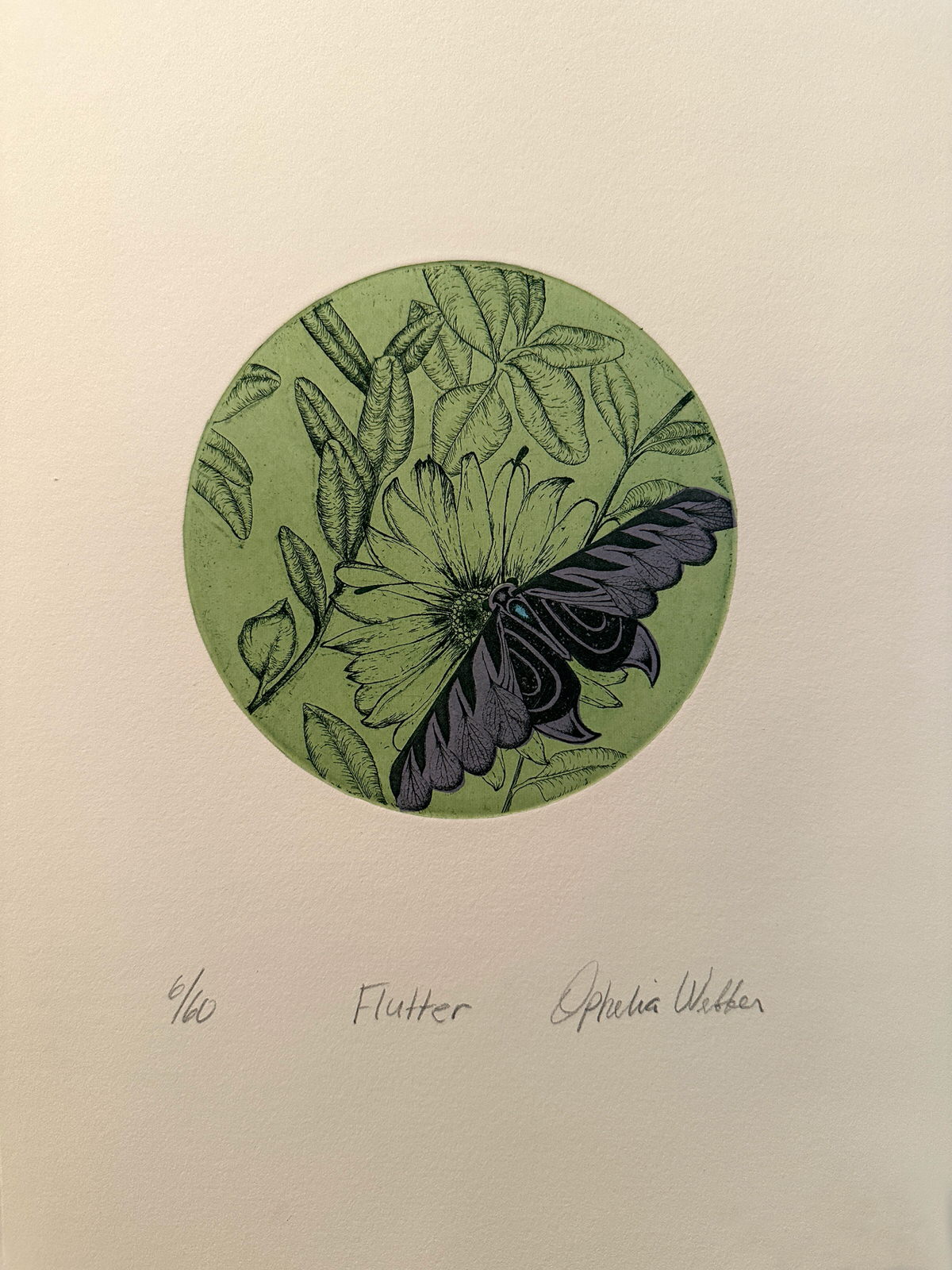
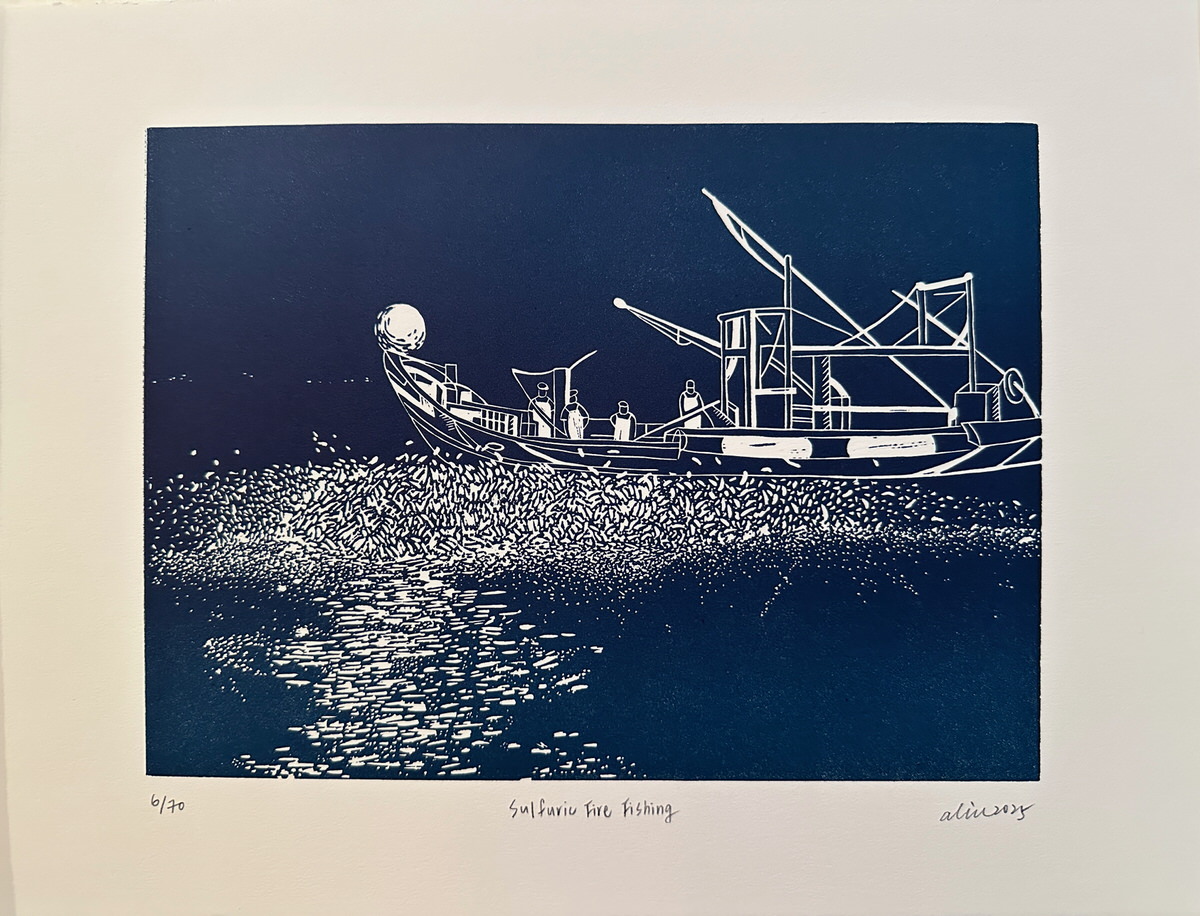


The 2025 Portfolio: Created in Celebration
As an organizer, I feel it’s important to remain considerate and attuned to the students’ needs and willingness to commit to such a consuming enterprise. I don’t need—or want—to do this every year.
But this year, my motto was simple: I want to celebrate the 150th anniversary of the Art Students League in any way I can, and this is it. I shared that spirit with my class and colleagues, and here we are.
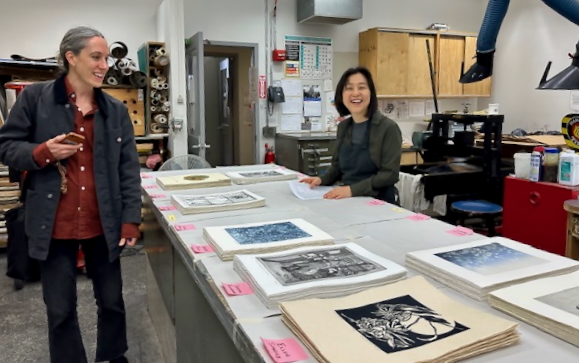
The 2025 portfolio sets a new standard for artistic and technical excellence. Many of its contributors are members of the Society of American Graphic Artists (SAGA) and have exhibited at the Old Print Shop gallery.
As part of a long-term vision for the portfolio’s legacy, we are strategically planning the exhibition and placement of the five reserved editions to ensure they become part of significant public and institutional collections. Portfolio #1 will be donated to the League’s permanent collection. Portfolio #2 has been acquired by our Board President, Robin Frank. Portfolios #3 and #4 will be exhibited and offered for sale at the Old Print Shop in New York City. Portfolio #5 will be offered to the New York Public Library’s distinguished print collection. This year, select participants’ portfolios will also be exhibited in Barcelona and through SAGA.
We have a full schedule of exciting events. Robert Newman, owner of the Old Print Shop[5], has invited us to exhibit the portfolio in July and August and will continue to represent the prints after the show. For several of our participants, this will be their first time exhibiting in a gallery—a thrilling and formative moment in any artist’s life.
Diego Briceno of SAGA[6] has arranged for the portfolio to be shown this summer at La Maldita Estampa[7] in Barcelona. Esther Schwalb, also of SAGA, is organizing a Manhattan exhibition this fall. Our retired League colleague and dear friend Bill Behnken—a passionate supporter of this project—is leading the effort to have the 2025 portfolio acquired by the New York Public Library’s Wallach Division of Art, Prints, and Photographs.[8]
In printmaking, you can never be bored. I keep telling my students: Printmaking makes you smart. You have to think, plan, and most of all, be in a happy place to let it happen.
- Michael Pellettieri: https://www.artstudentsleague.org/instructors/michael-pellettieri
- Tomomi Ono: https://www.artstudentsleague.org/instructors/tomomi-ono
- Georgia Küng: https://www.artstudentsleague.org/instructors/georgia-kung
- Caroline Ongpin: https://studioclasses.artstudentsleague.org/course/Ongpin-Printmaking_cd_4202_6697
- Old Print Shop: http://oldprintshop.com
- SAGA: http://sagaprints.com
- La Maldita Estampa: http://lamalditaestampa.eu
- and Photographs.: https://www.nypl.org/locations/schwarzman/wallach-division