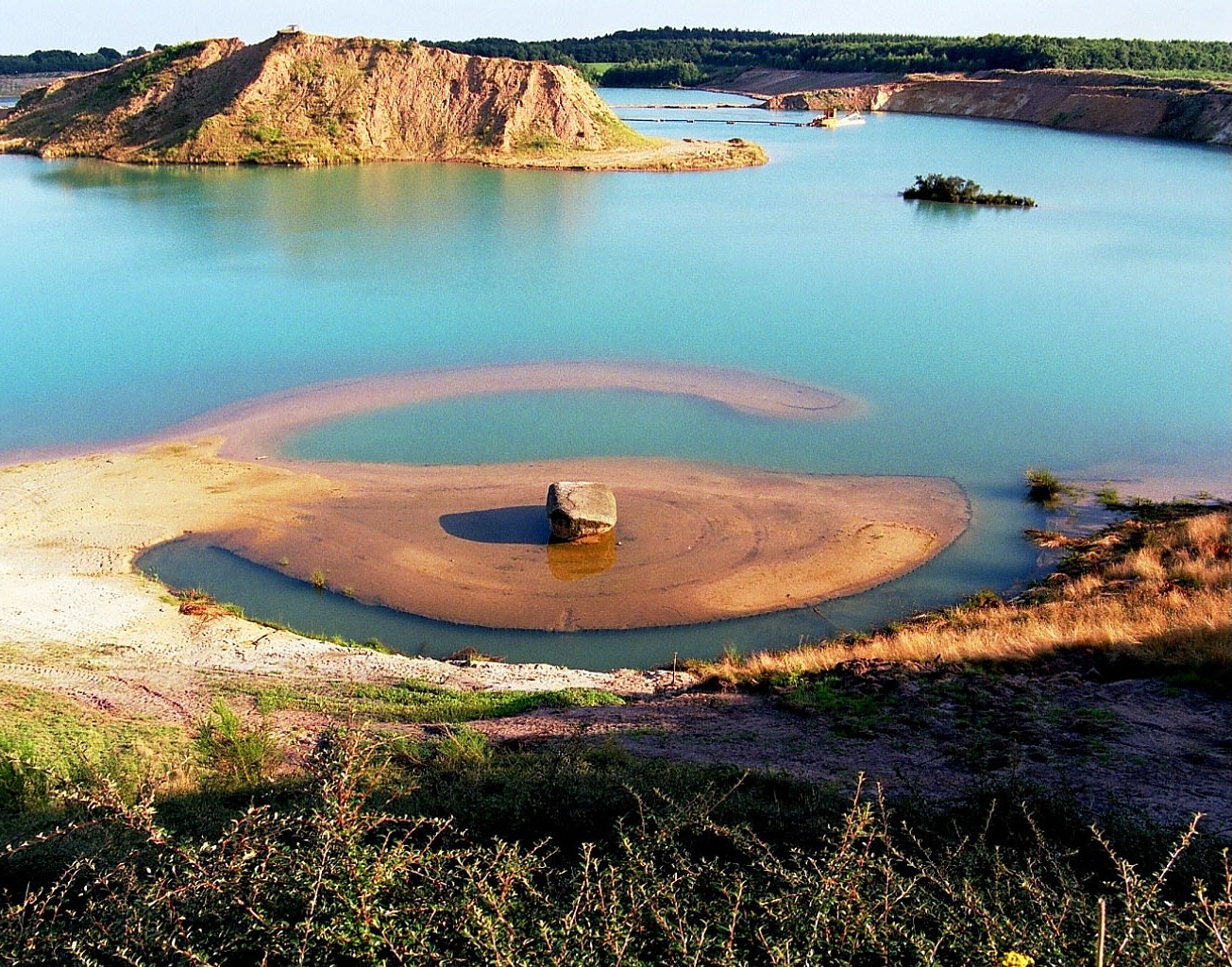
The guidelines provided by Robert Smithson’s instructors at the Art Students League of New York, virtually the only formal art education he received, were essential to his land art.
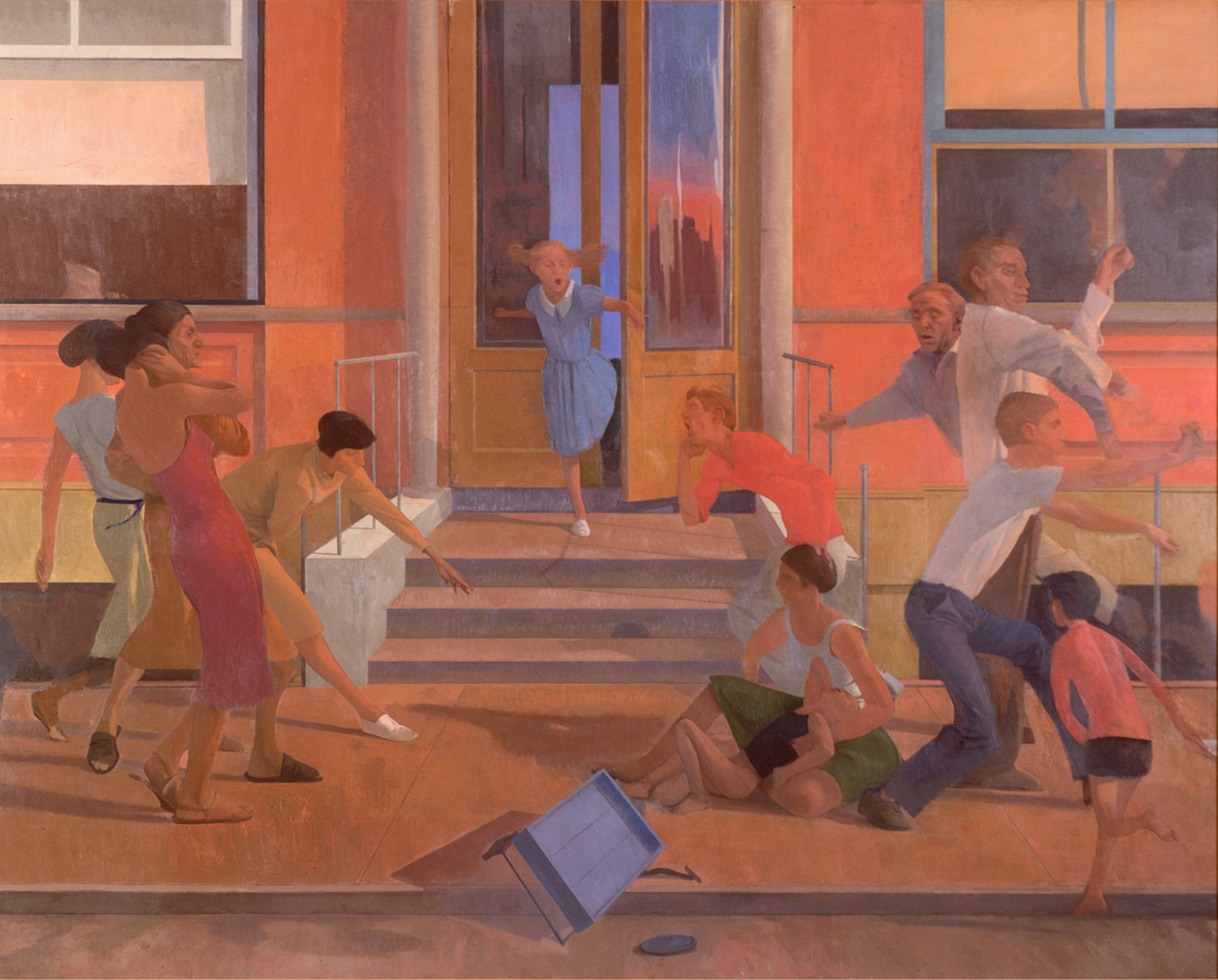
There are at least two poles in Lennart Anderson’s work, poles that you see him gravitating towards and veering away from throughout his life: Anderson the dogged and humble observer of nature, but also Anderson the formal constructor and inventor.
B.Z. Sacks owned a gallery in the subway arcade at 42nd Street and Sixth Avenue in 1949. It was called the Tribune Subway Gallery. She was twenty-five years old.
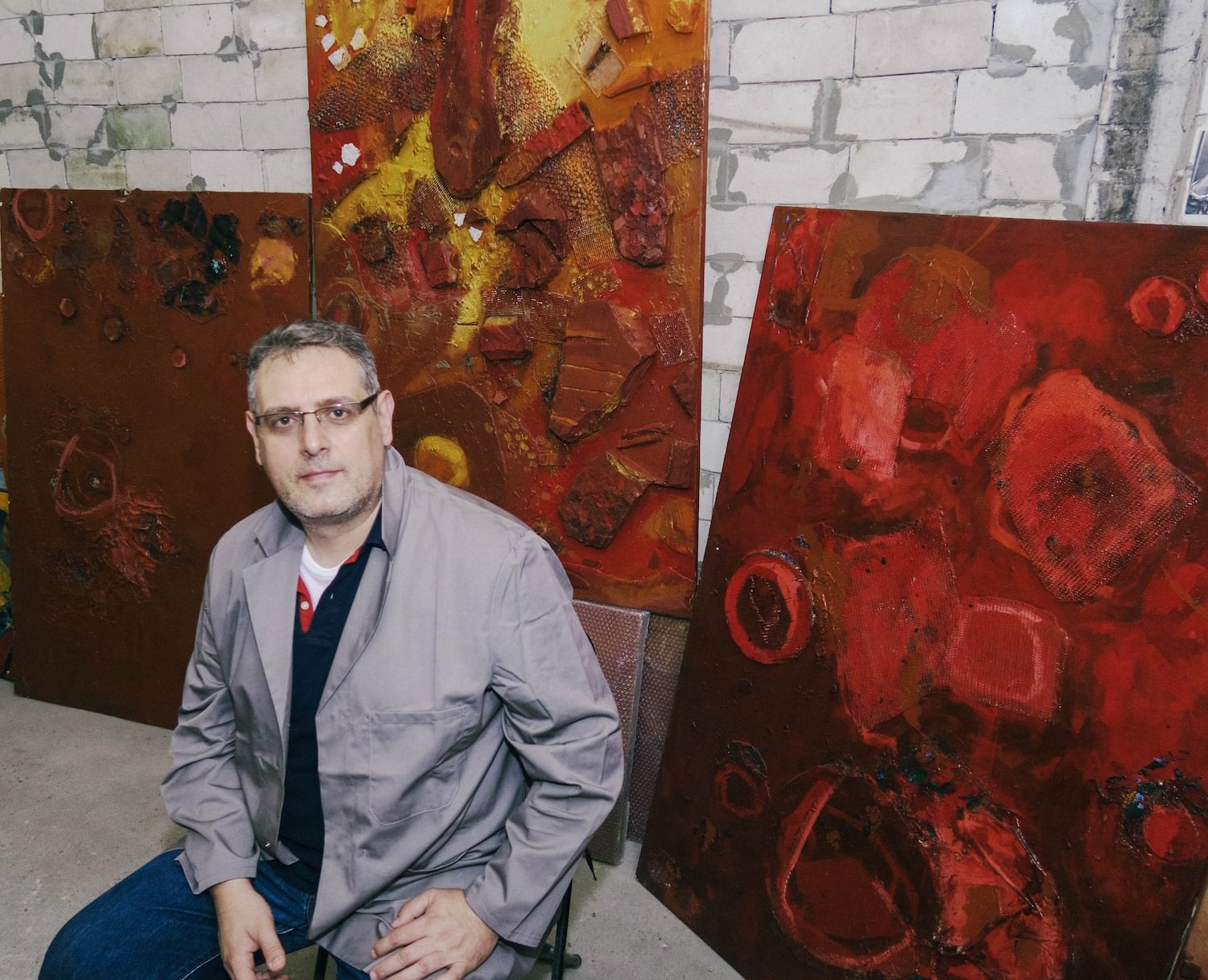
To me traditional art materials are burdensome: they point to themselves, or other points in history. I like to use a material that tells a different story and has a different history, often outside of art.
Social media turns works of art into objects of rapid consumption, sometimes supersonic, which I think makes us dangerously insensitive to the enormous amount of work, time, and sacrifice that lies behind each post, each evanescent image.