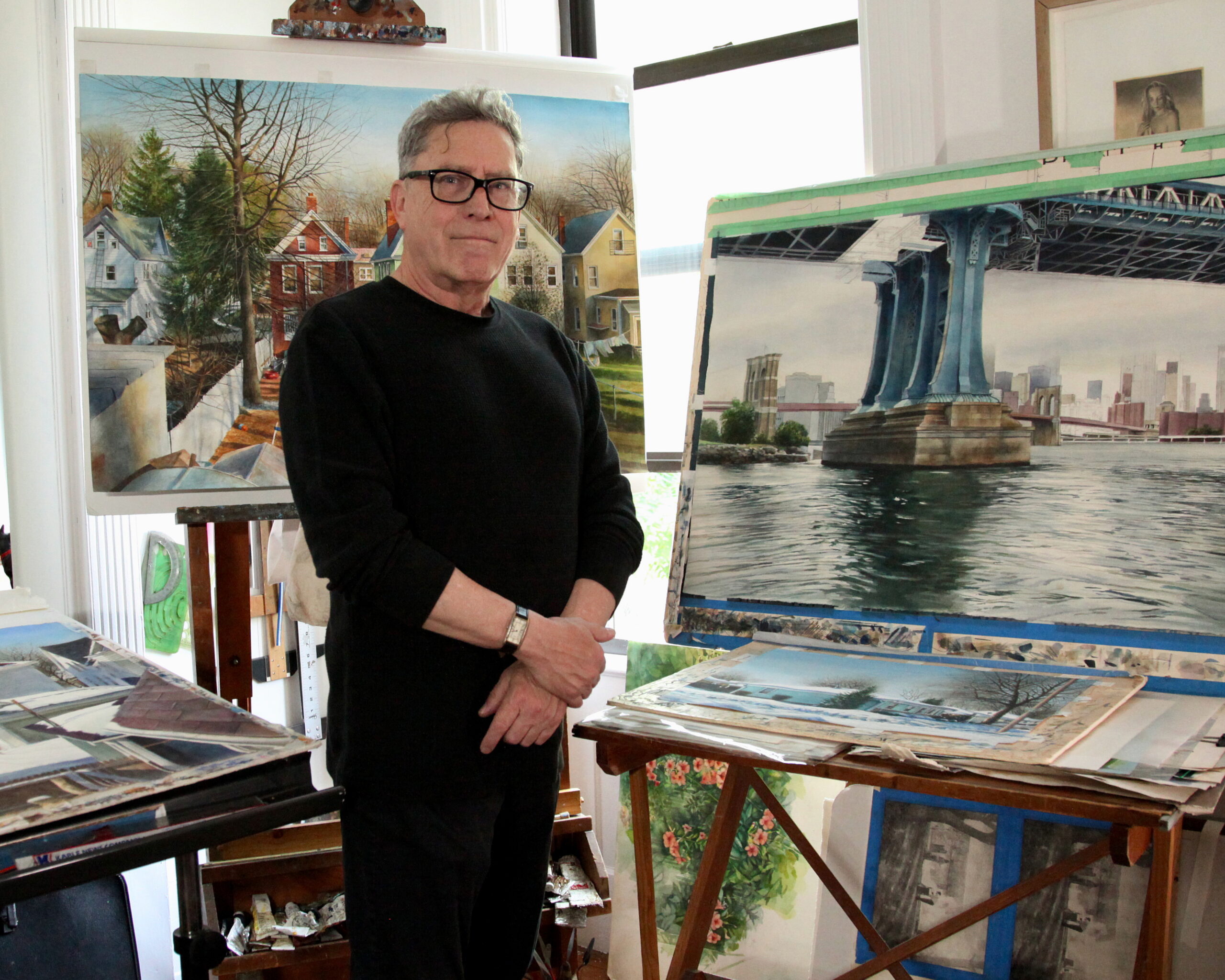
“I remember as a very young child often having deeply existential moments of dissociation from myself. Observing my surroundings but not being of them, wondering if this reality with which I’d been presented was only a dream.”


“I remember as a very young child often having deeply existential moments of dissociation from myself. Observing my surroundings but not being of them, wondering if this reality with which I’d been presented was only a dream.”
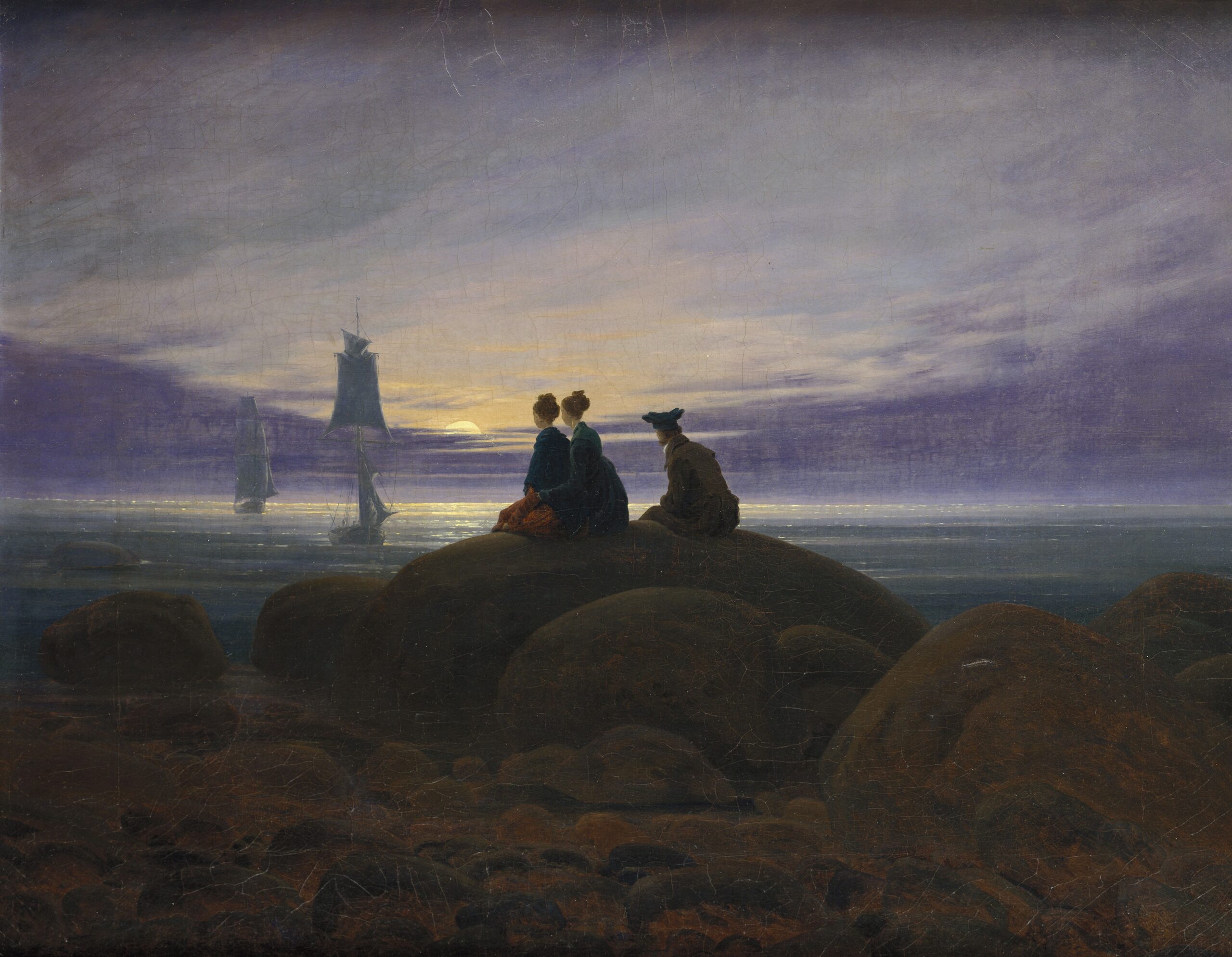
Friedrich pretty much invented the landscape of solitude, an idea that reverberated across nineteenth-century studios and survives—or is resurrected—today in response to the continuous tension between the natural world and man’s desire to exploit its resources.
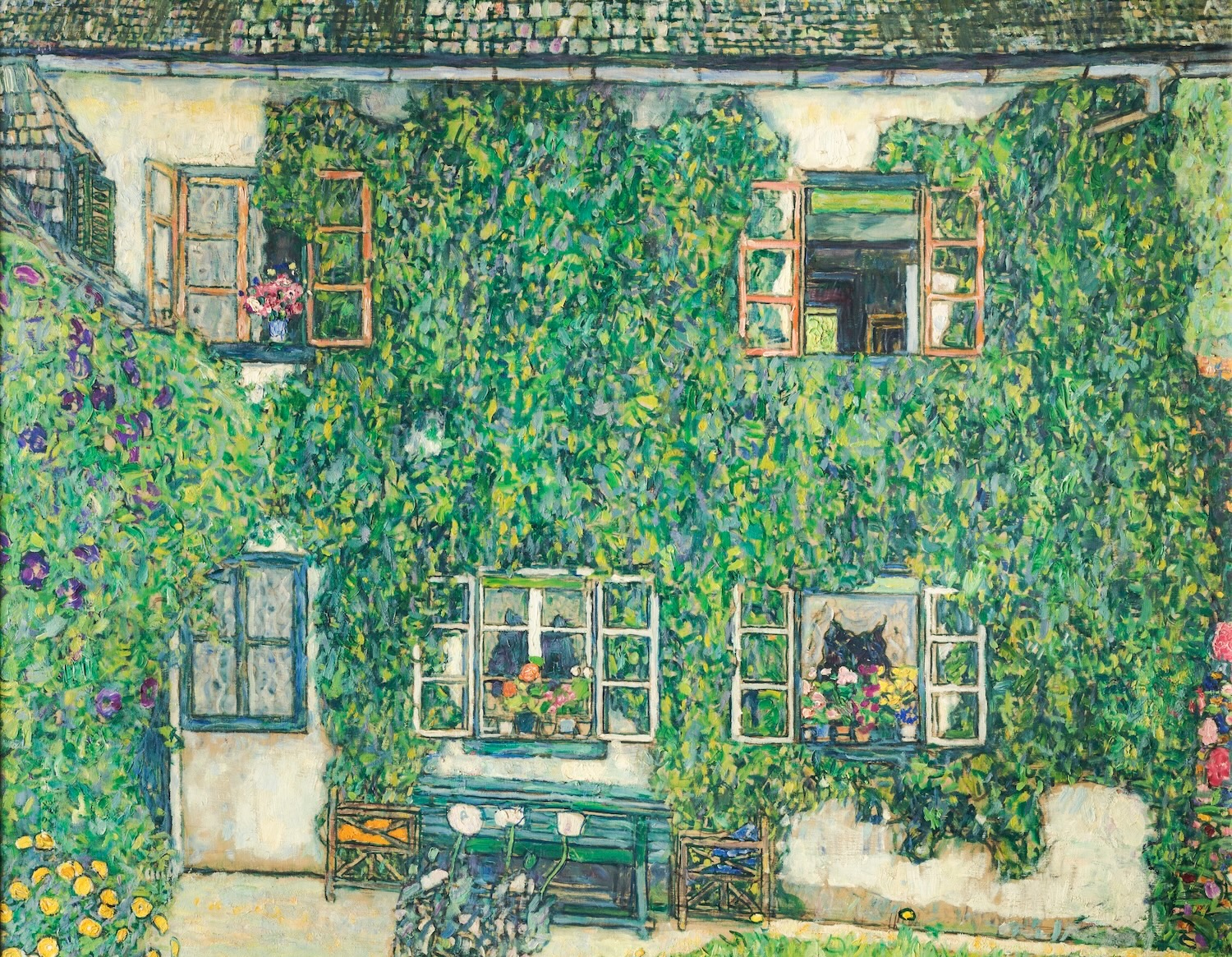
Neue Galerie New York offers a snapshot of one of the early twentieth century’s great landscape painters.
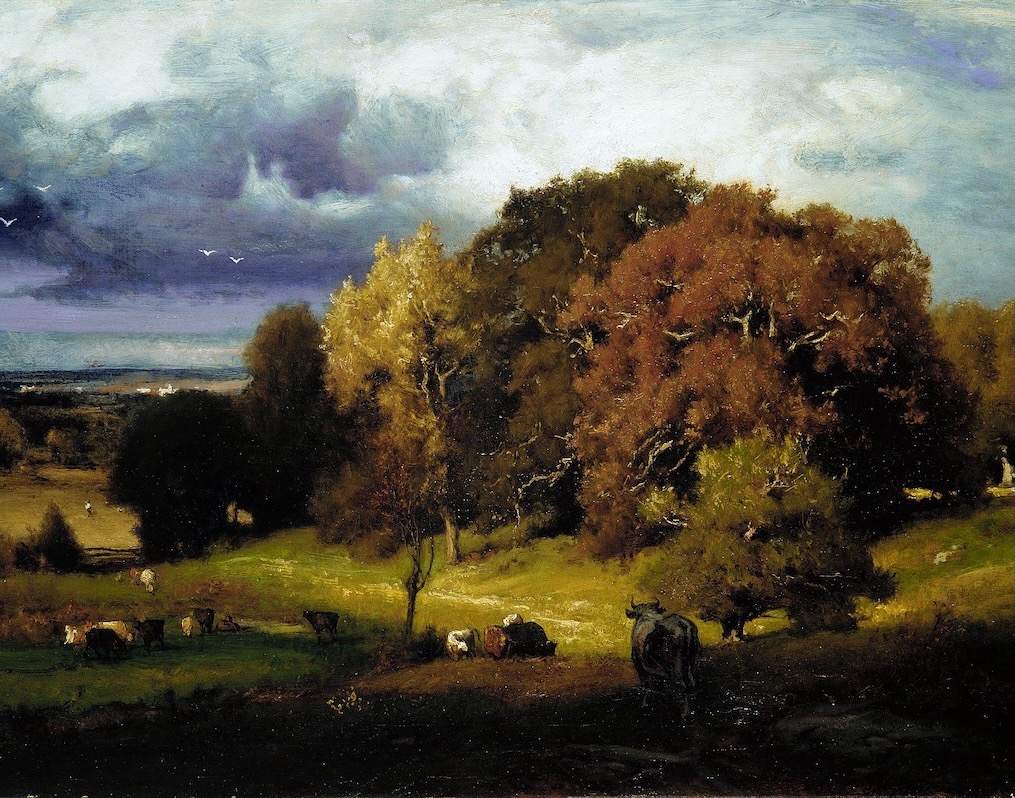
“The true use of art is, first,” George Inness stated, “to cultivate the artist’s own spiritual nature.”

The best thing about art in the era of social media is that art will outlast the era of social media.

With a stringent palette and relentless attention to topographical landmarks as well as the distances between them, Patrick George imposed an intimate order on the pastoral landscape.

Blakelock fought with his paint until his images magically evolved into the mystical, musical nocturnes of silence he sought.

The Artist’s Garden: American Impressionism and the Garden Movement, 1887–1920, an exhibition of “vital naturalism,” now on view at the Florence Griswold Museum
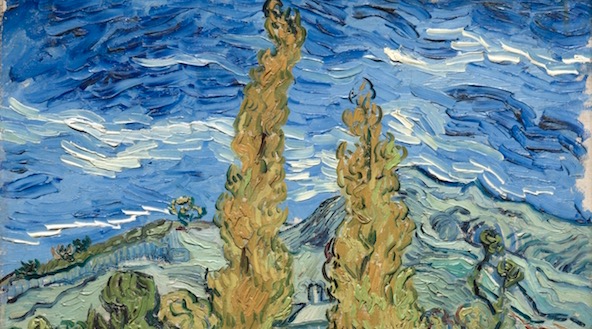
Degas and Van Gogh shared common ground in their disdain for convention, or more to the point, a willingness to circumvent conventional means when necessary, which is to say frequently.
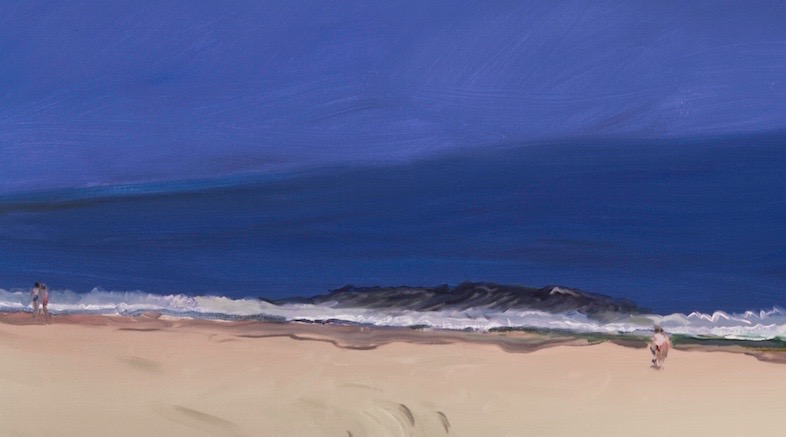
I’m lucky in the sense that I am able to portray my feelings with a brush rather easily. I don’t know whether I can attribute this to slow accumulation over a lifetime—looking at so many paintings, the careful observation of everything.