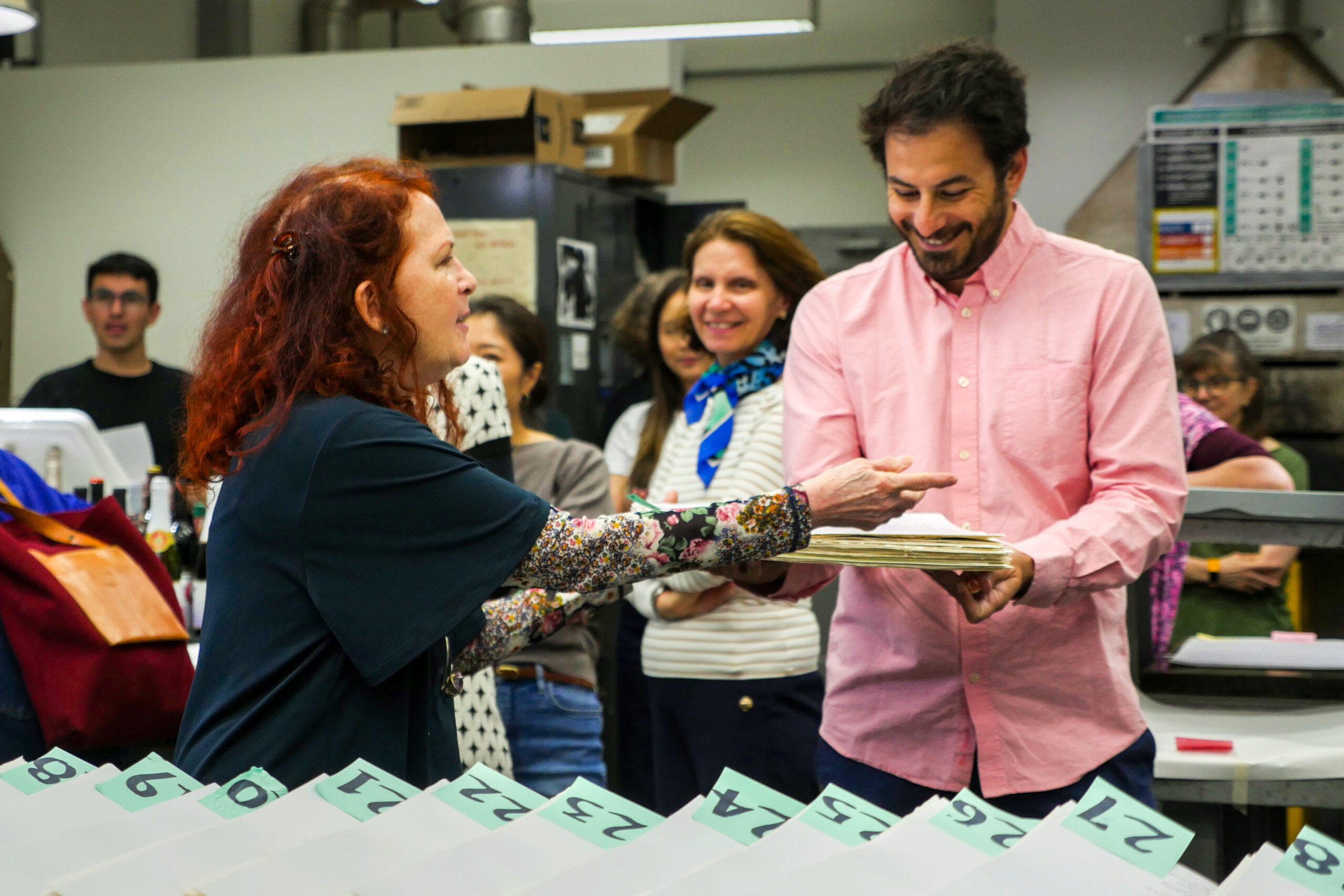
In printmaking, you can never be bored. Printmaking makes you smart. You have to think. You have to plan. And most of all, you have to be in a happy place to let it happen.


In printmaking, you can never be bored. Printmaking makes you smart. You have to think. You have to plan. And most of all, you have to be in a happy place to let it happen.
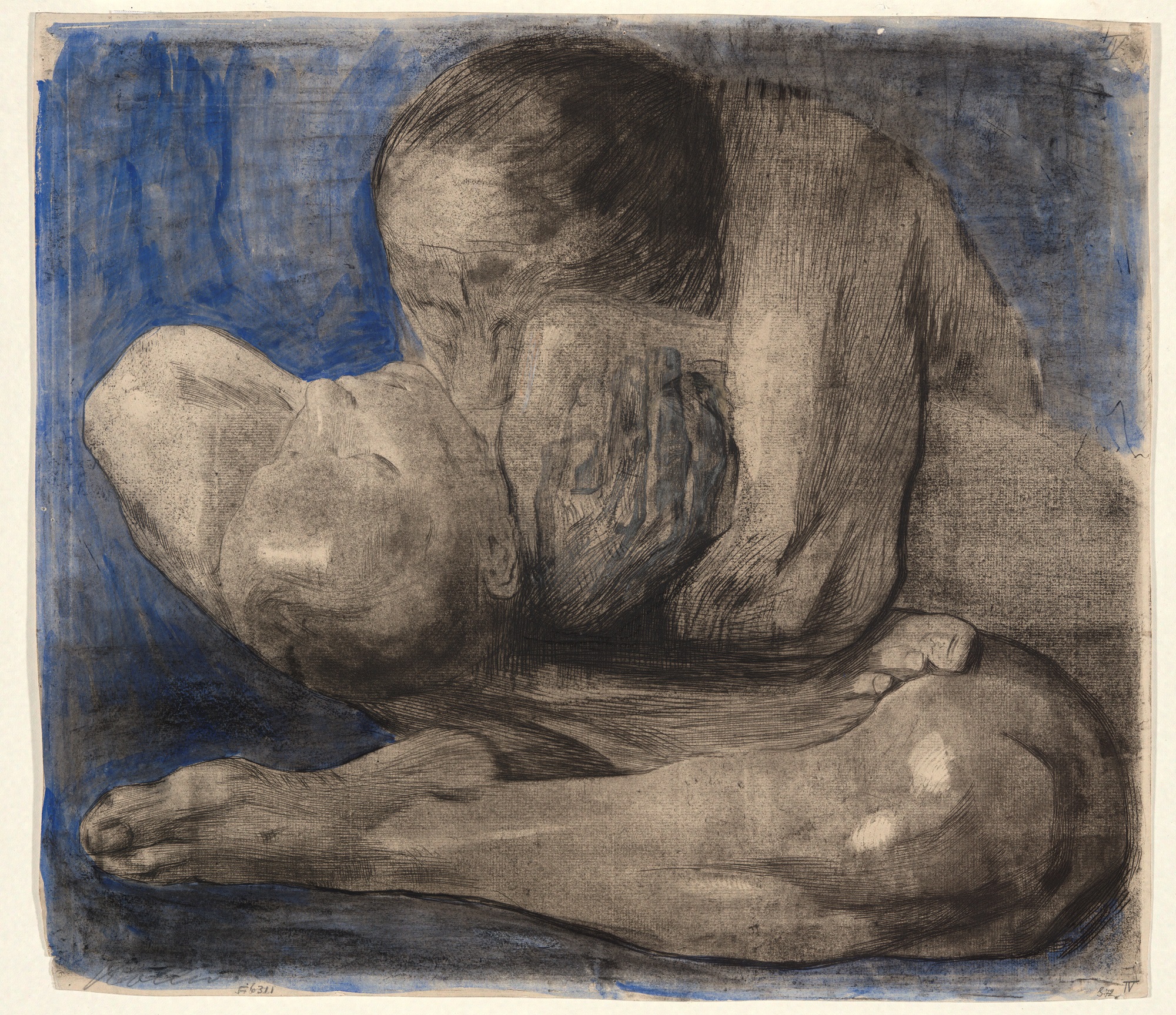
There are 120 drawings, prints, and sculptures in MoMA’s Käthe Kollwitz exhibition, and every piece feels essential.
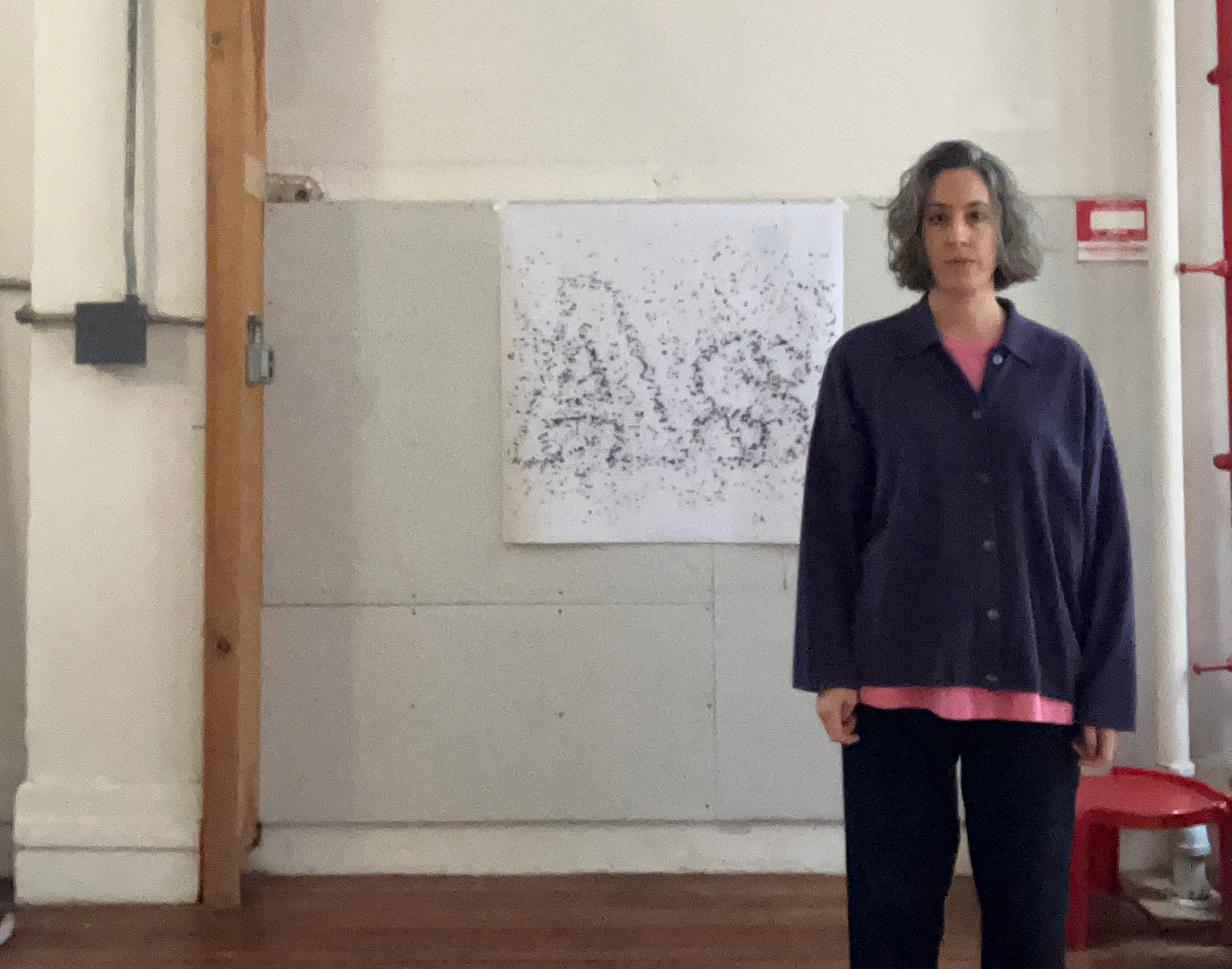
It’s OK not to always be visible. Your work also doesn’t need to be easily understood. Also, don’t take rejection too deeply. And the reverse–don’t take being chosen too deeply either.
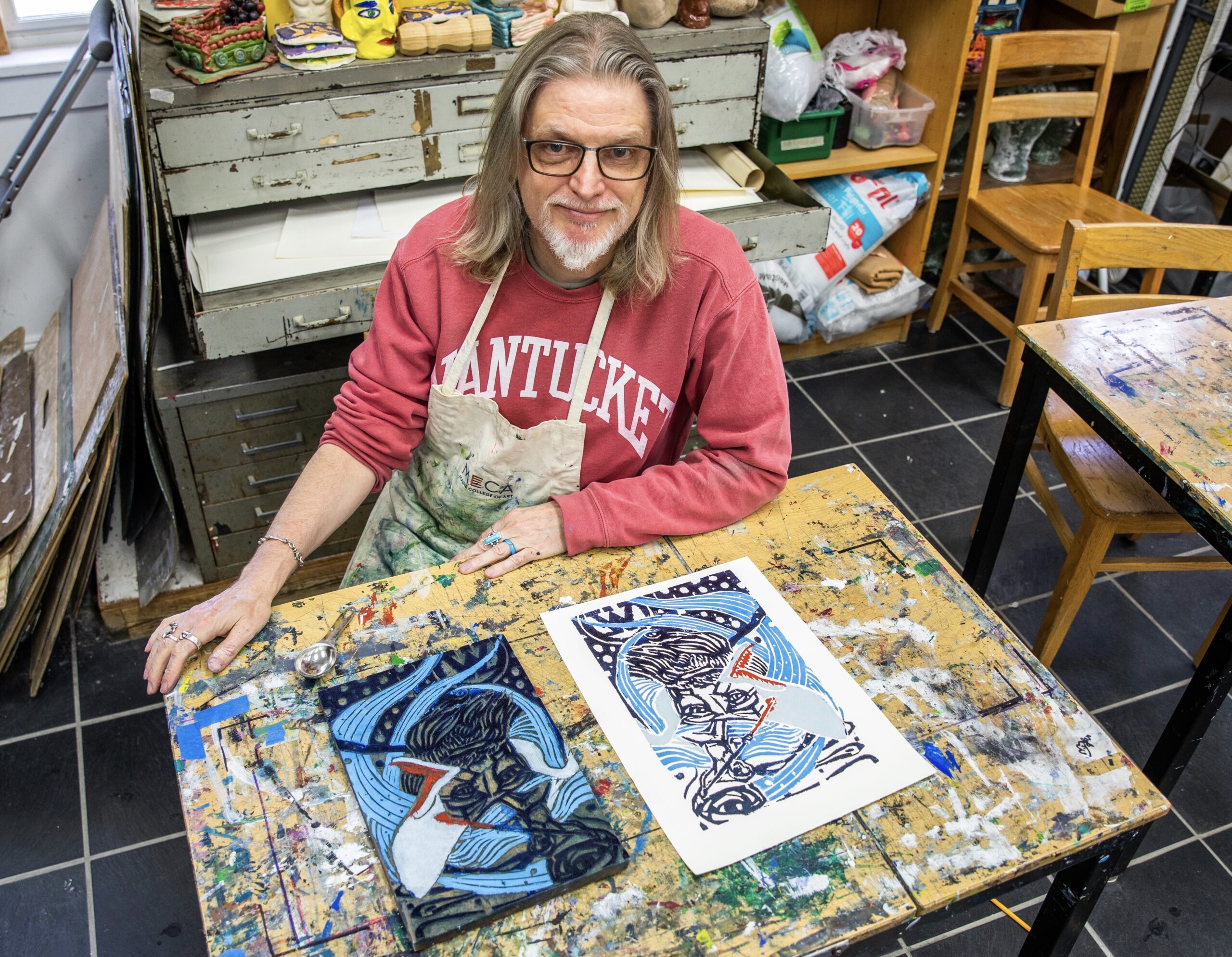
I do love someone with really good technical skills—someone who can draw the figure like nobody’s business always gets my attention, but then, of course, they need content to back that up.
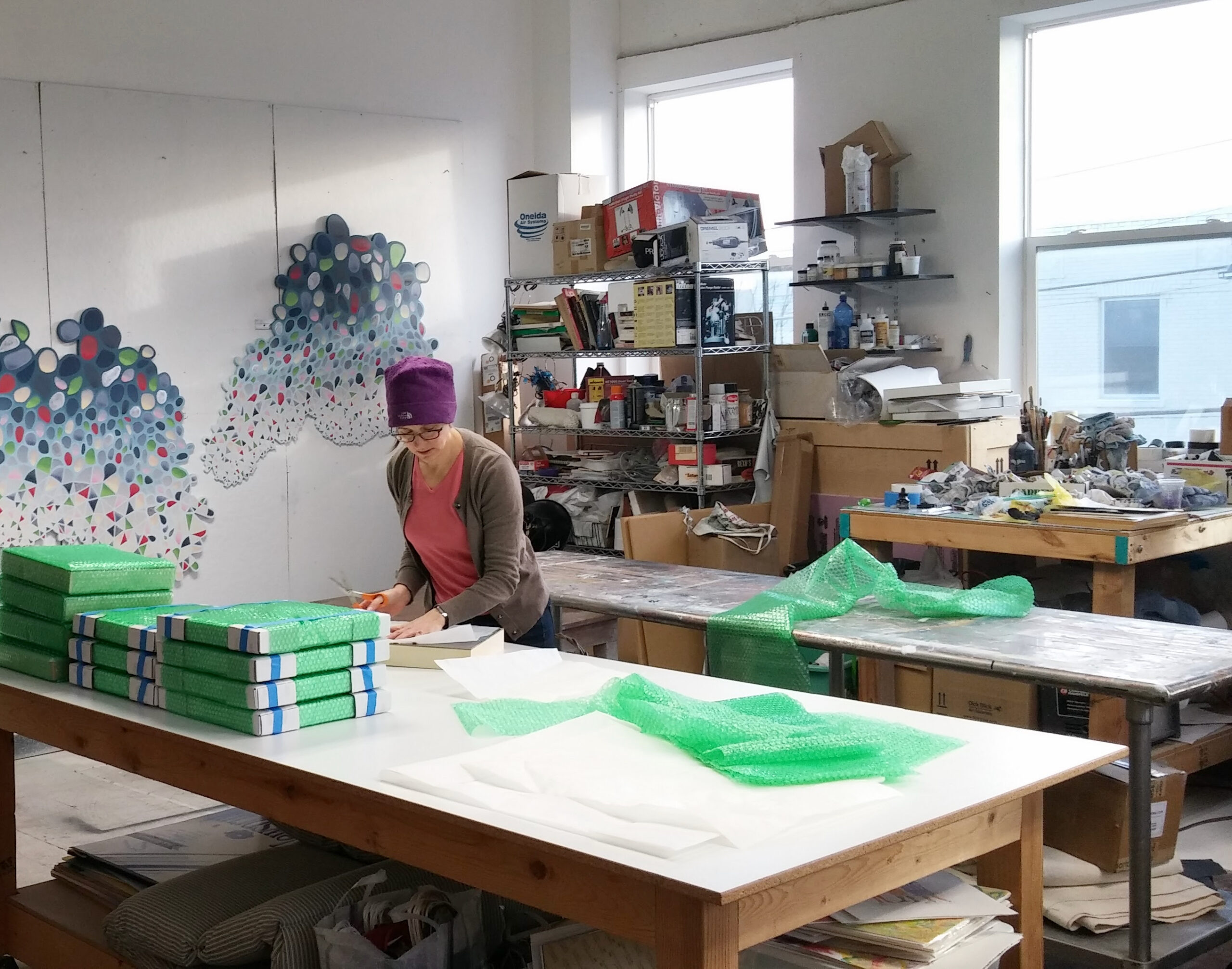
If my work was found centuries later, what work would I want to be found? What would it be made of? What meaning would come from it?
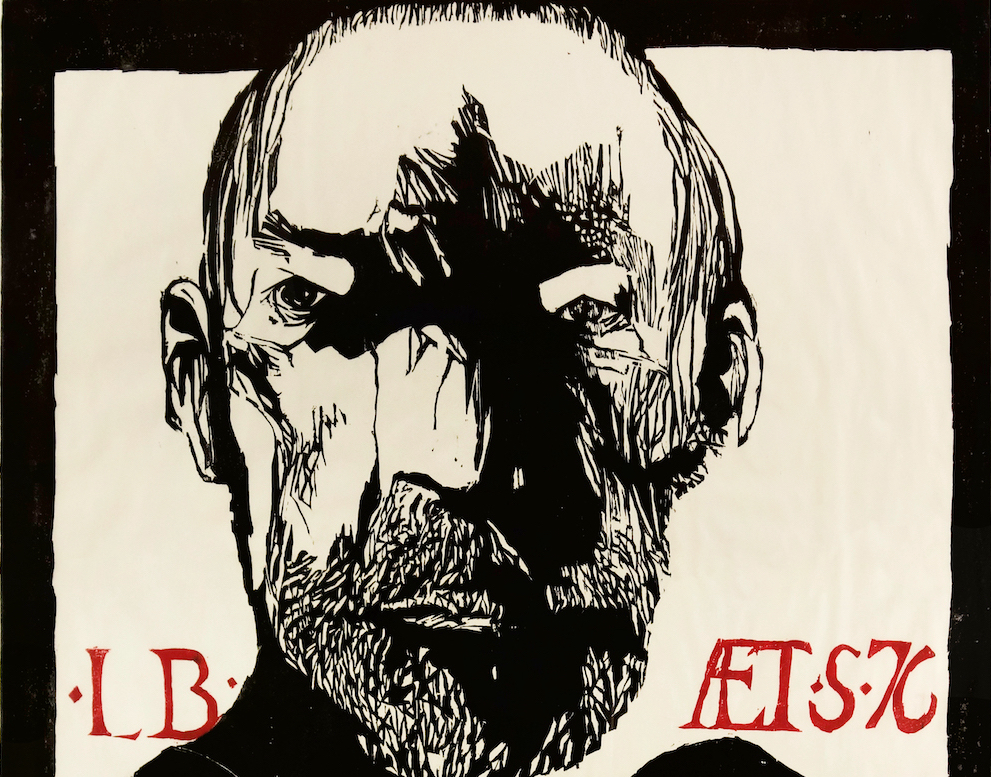
Leonard Baskin addressed the Holocaust late in life and more than fifty years after the war, but when he finally confronted the theme, he did so with ferocity.
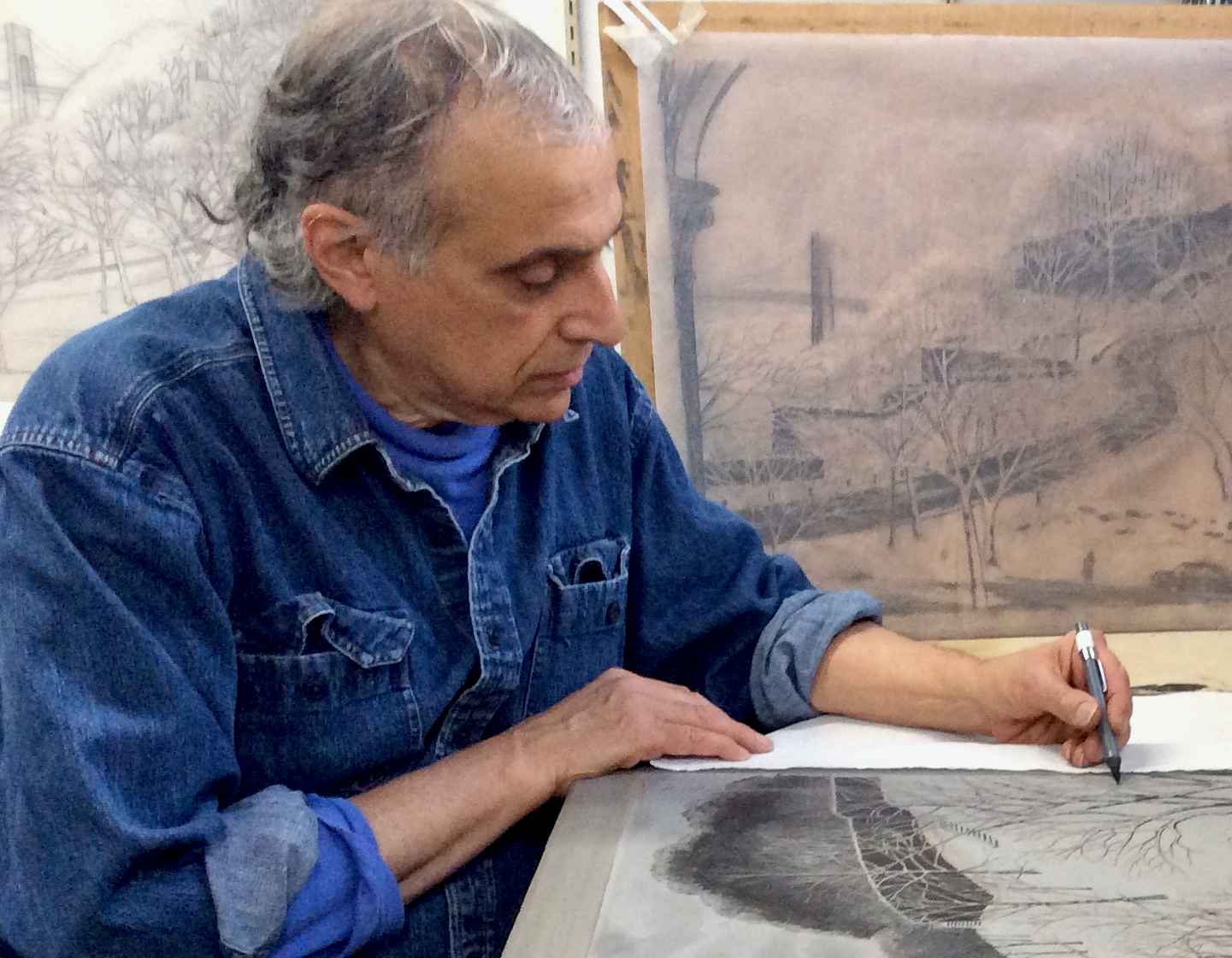
Most of my images are sparked by vistas from my studio or home and also from iconic objects that are in my studio.
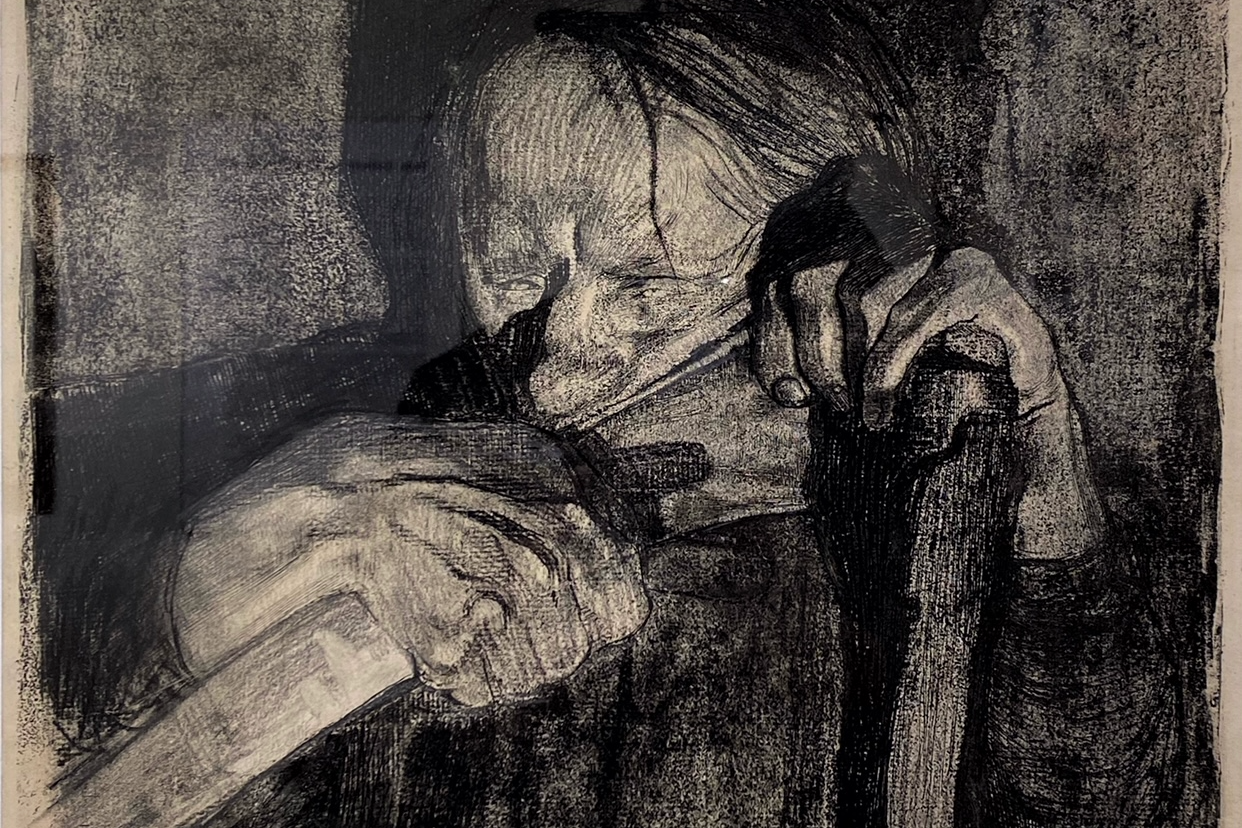
Kollwitz’s art was both a response to the suffering of others and a processing of personal experience. For Kollwitz, character born of hardship was indistinguishable from—lo, was the necessary source of—beauty.

For a very long time I thought art was all about esthetics, beauty, grace. I did not look at other dimensions, such as distortions, unbalance, pain, darkness. Now I try to reach both, very much like in nature, there is life and death.

I look through my sketch books to uncover ideas and images that stimulated me but which I didn’t flesh out at the time. This recalls me to myself and my sensibilities which often jump-starts new work.