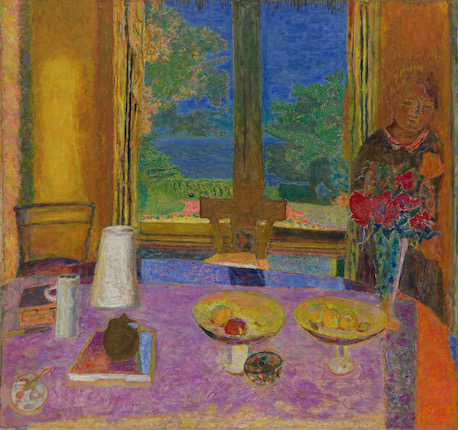
Bonnard at Acquavella Gallery


Bonnard at Acquavella Gallery
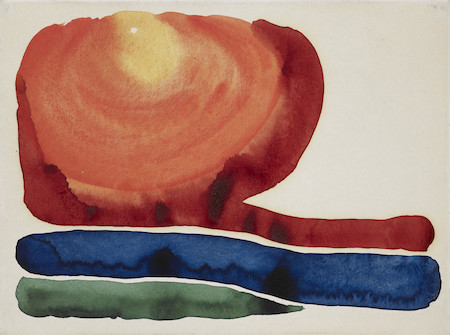
Georgia O’Keeffe at MoMA and Arthur Dove at Alexandre Gallery Uptown
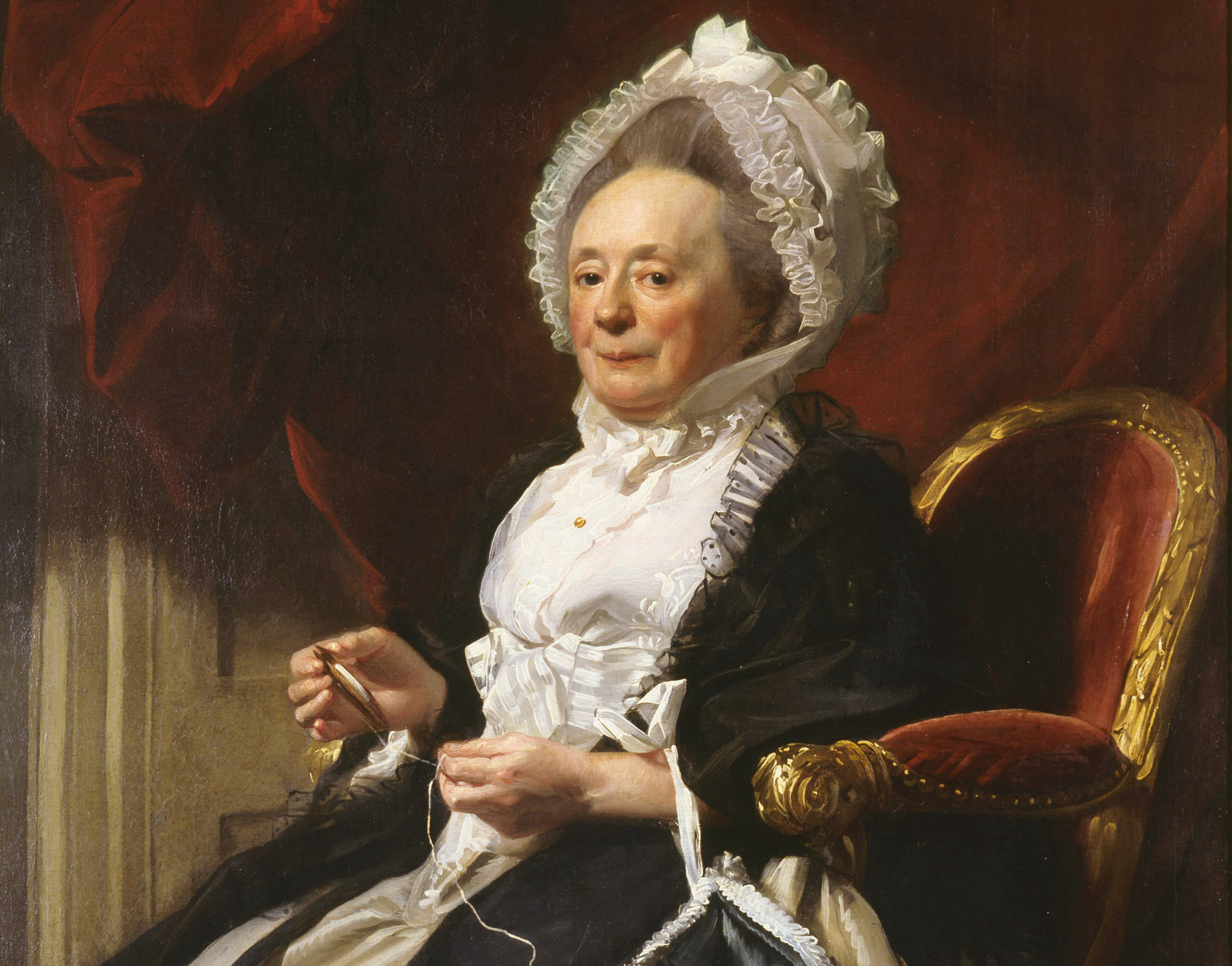
With a half dozen works in the Wadsworth’s collection, it’s possible to construct an informal cultural timeline that touches on the Revolutionary War, the Gilded Age, Modernism, and twentieth-century issues of gender and race.
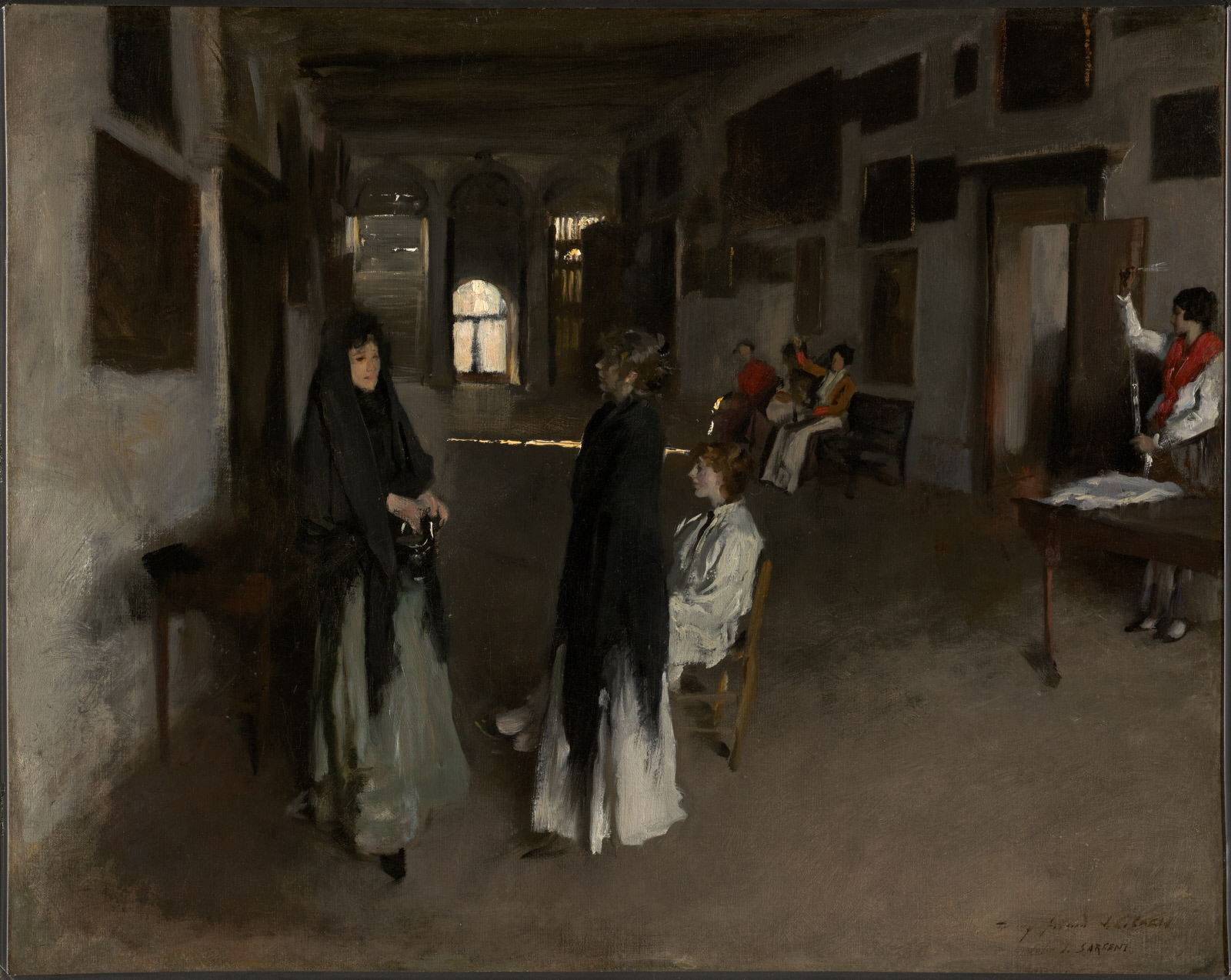
Venice provided an escape from the pressures of London and Paris, and offered a more relaxed atmosphere for creative experimentation. What unites Sargent’s and Whistler’s Venetian work is an unforced intimacy, particularly in the genre scenes.
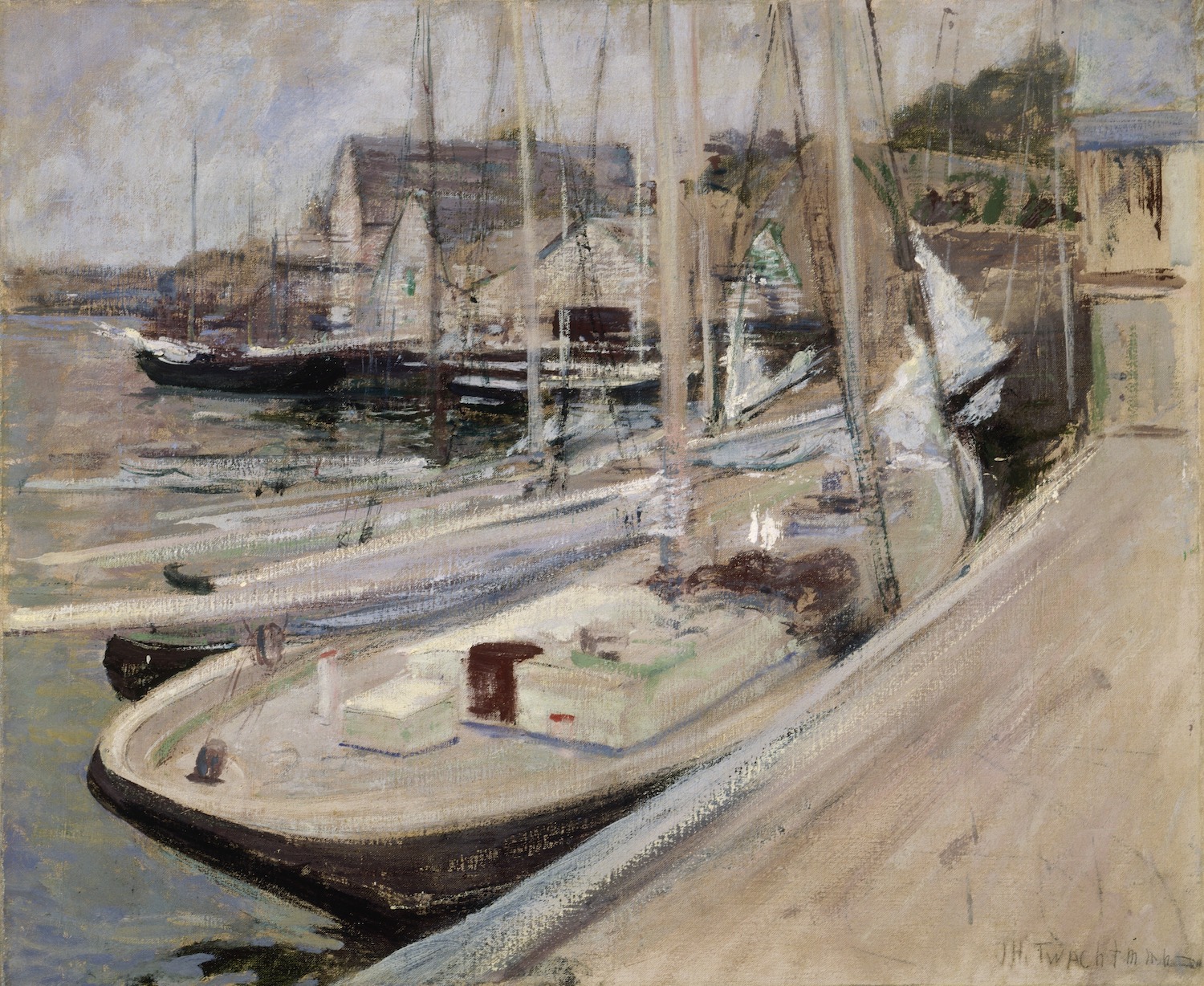
Twachtman’s tenure at the League, which correlated exactly to his time in Connecticut, may have helped to sharpen his focus when he stepped off the train in Greenwich.
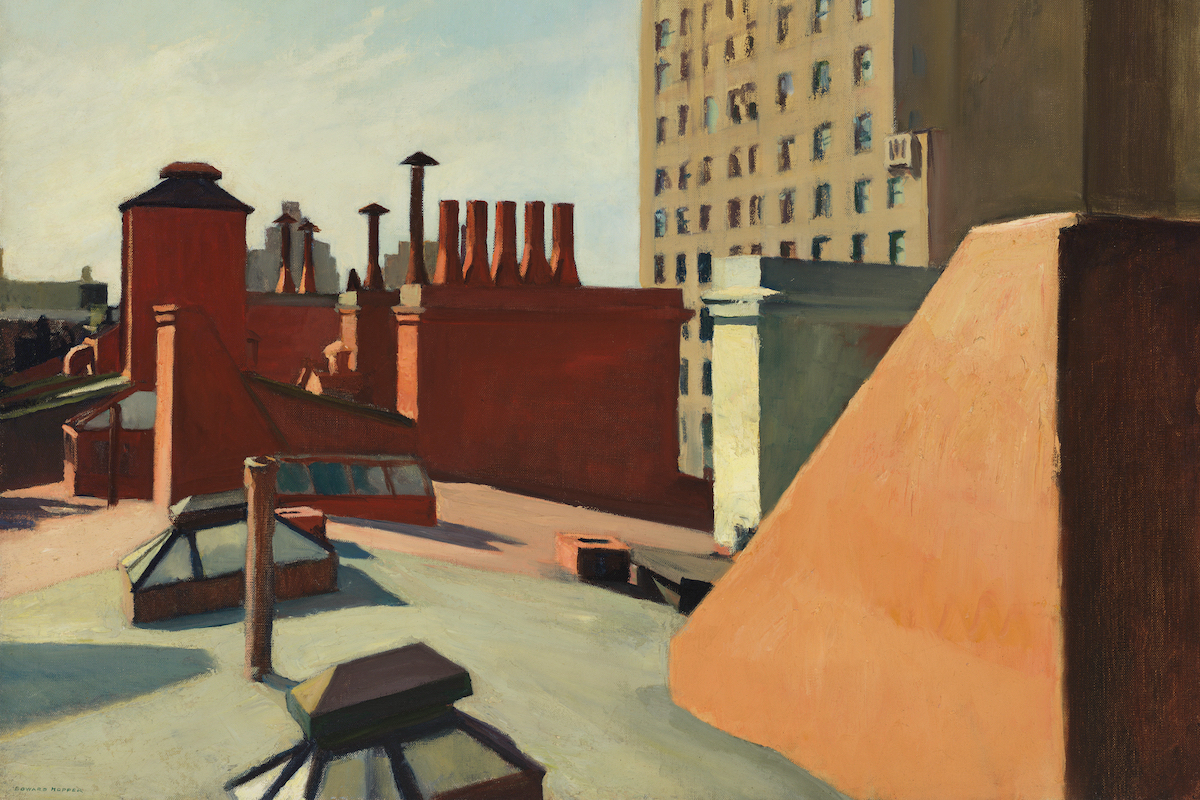
How much of Hopper’s subliminal appeal is for a city that is unrealistically desolate, clean, and, except for the occasional male/female encounter, free of human interaction, not to mention diversity?
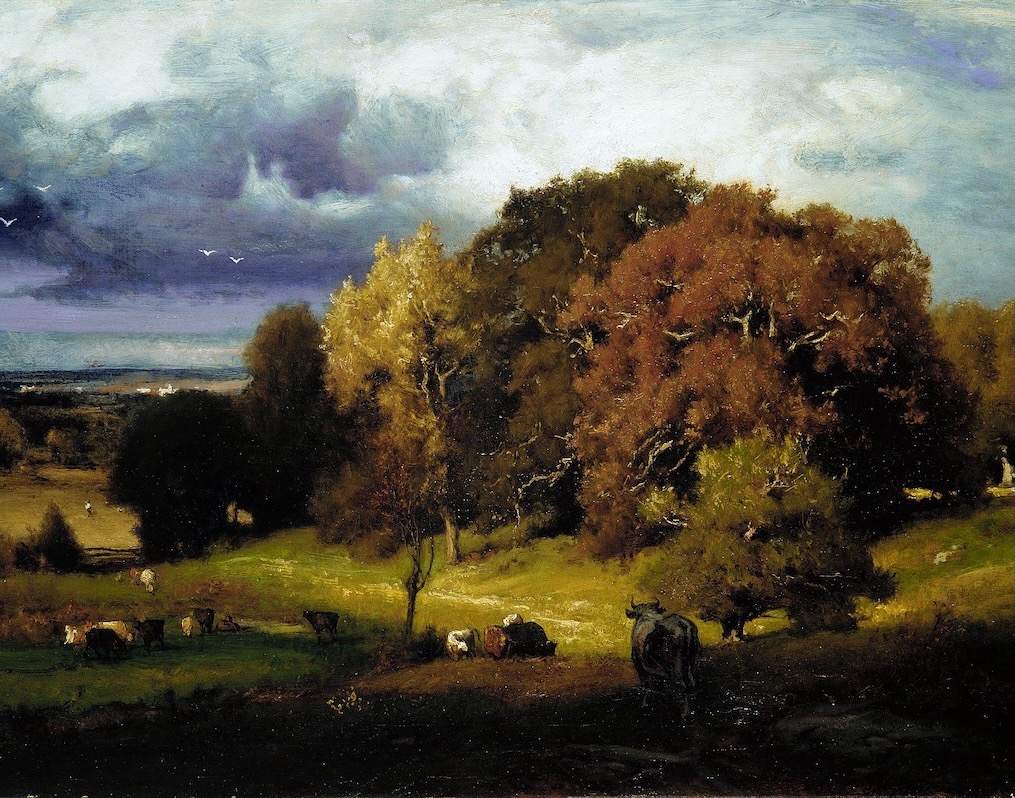
“The true use of art is, first,” George Inness stated, “to cultivate the artist’s own spiritual nature.”
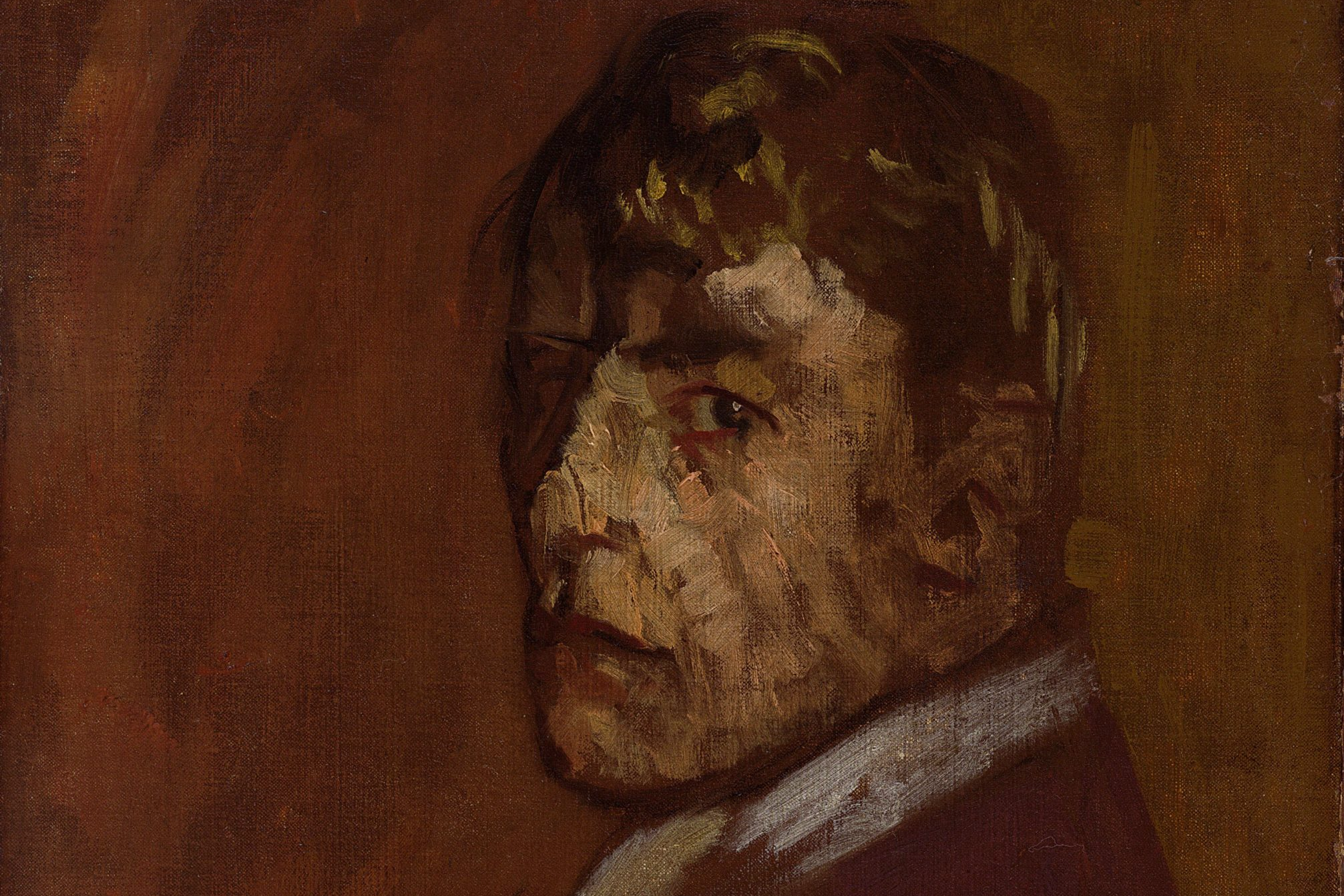
Walter Sickert was the studio assistant to James Whistler and friend of Edgar Degas, two of the most trenchant masters of the era, who together confirmed his direction as an artist and influenced his choices of subject matter.
Winold Reiss’s greatest contribution to modern art may have been his insistence on the dignity of people, regardless of color.
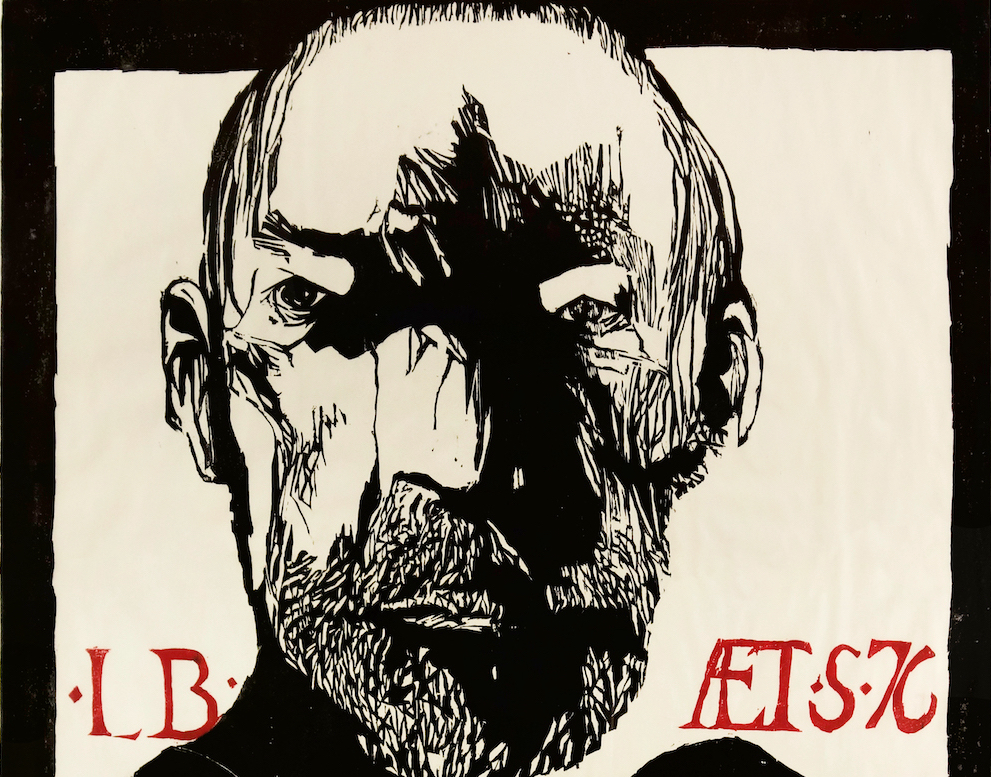
Leonard Baskin addressed the Holocaust late in life and more than fifty years after the war, but when he finally confronted the theme, he did so with ferocity.