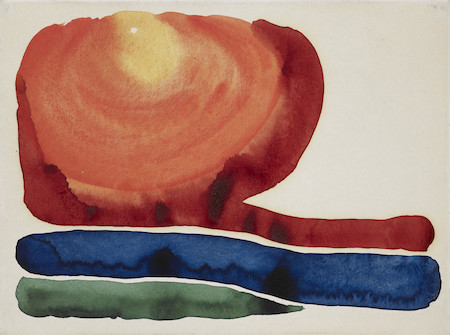
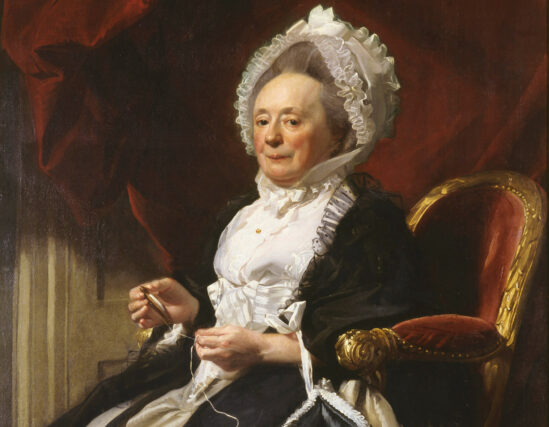
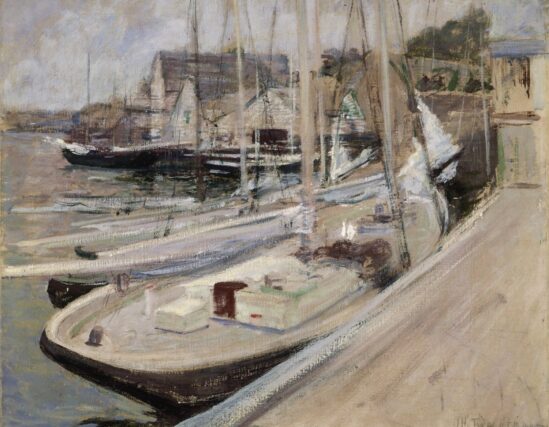
With a half dozen works in the Wadsworth’s collection, it’s possible to construct an informal cultural timeline that touches on the Revolutionary War, the Gilded Age, Modernism, and twentieth-century issues of gender and race.
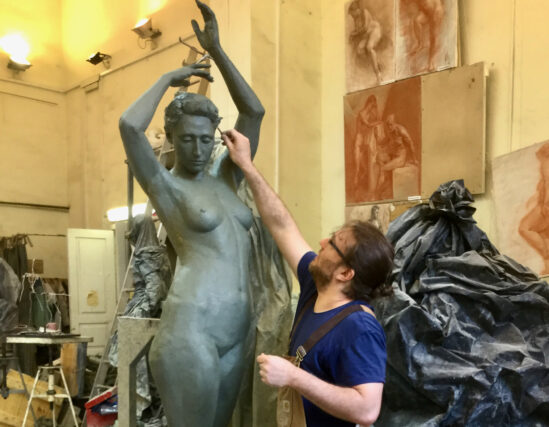
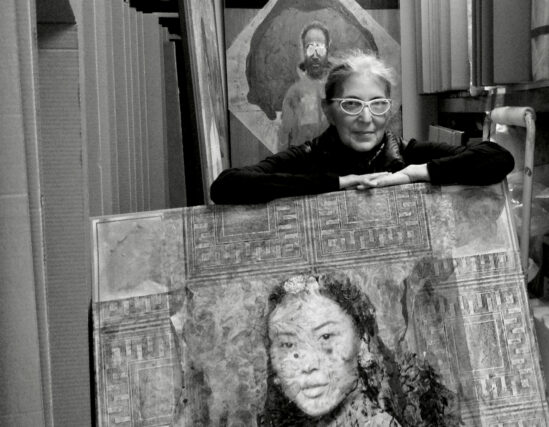
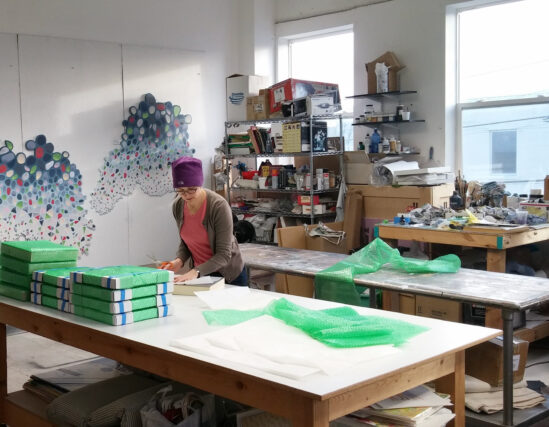
The best education an artist can have is working for another artist and witnessing the fortitude it takes to create, sell, and maintain a living as a working artist.
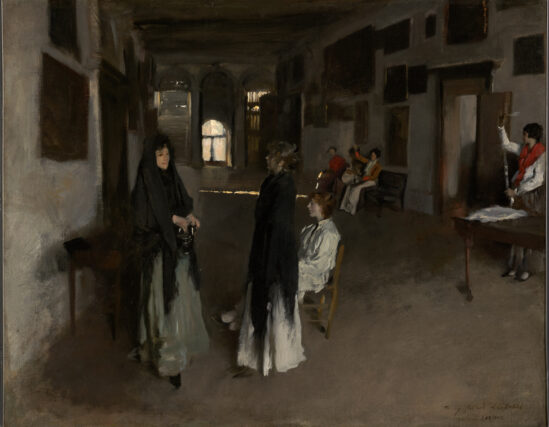
Venice provided an escape from the pressures of London and Paris, and offered a more relaxed atmosphere for creative experimentation. What unites Sargent’s and Whistler’s Venetian work is an unforced intimacy, particularly in the genre scenes.
Far from the context of the philosophical battleground in which they were originally shared, Henri’s principles are thoughtful, passionate, and holistic in their view of the painting process. They remain essential reading for artists.
Twachtman’s tenure at the League, which correlated exactly to his time in Connecticut, may have helped to sharpen his focus when he stepped off the train in Greenwich.